
A 2-day cultural journey through three of Korea's most storied cities. Start in Yeongju (영주) with the Seonbi Culture Festival — celebrating Korea's Confucian scholarly heritage at one of the nation's oldest Buddhist temples. Move on to Namwon (남원) for an evening at the legendary Chunhyang Festival, one of Korea's most beloved folk celebrations. Spend the night in the mountains near Jirisan, then finish with a full morning in Jeonju's (전주) iconic Hanok Village. Government-sponsored for international students.
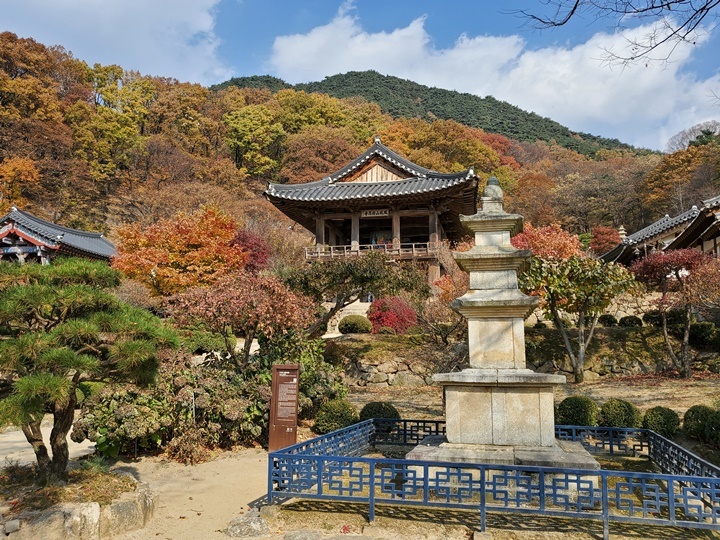
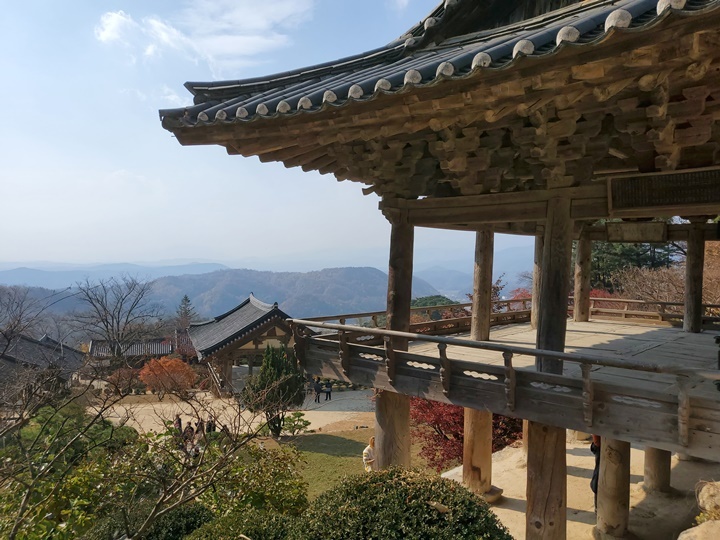
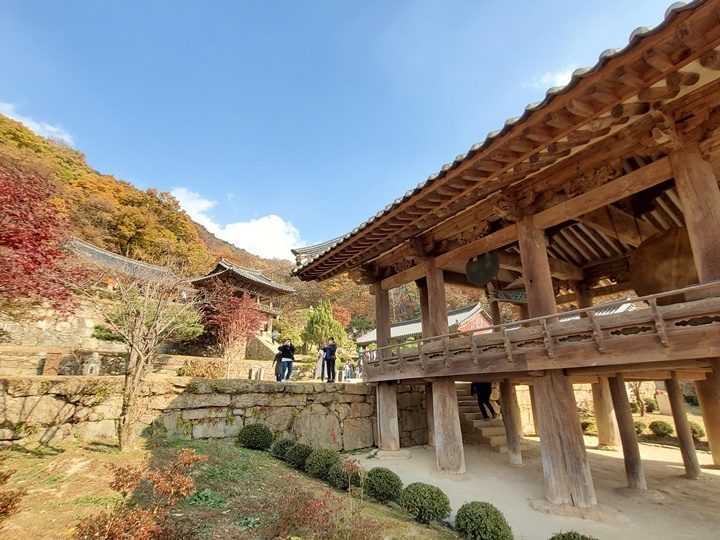
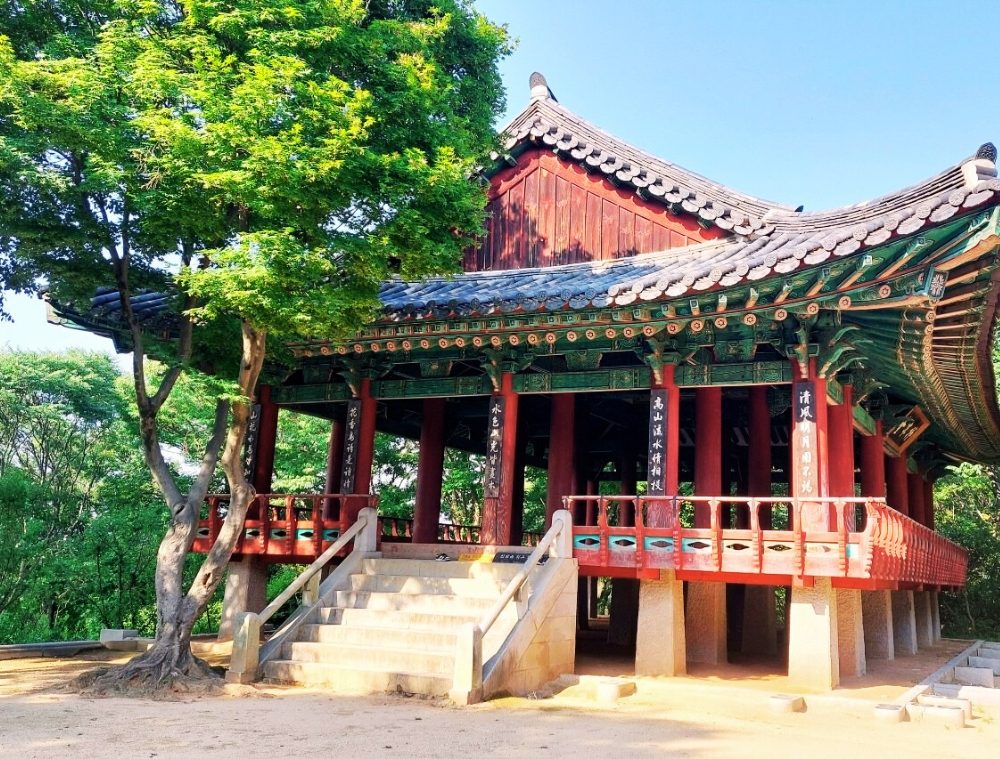
One of Korea's oldest wooden structures, built in 676 AD during the Silla period. Perched high in the Sobaek mountains, the main hall (Muryangsujeon) is one of the few surviving buildings from ancient Korea. UNESCO World Heritage site.
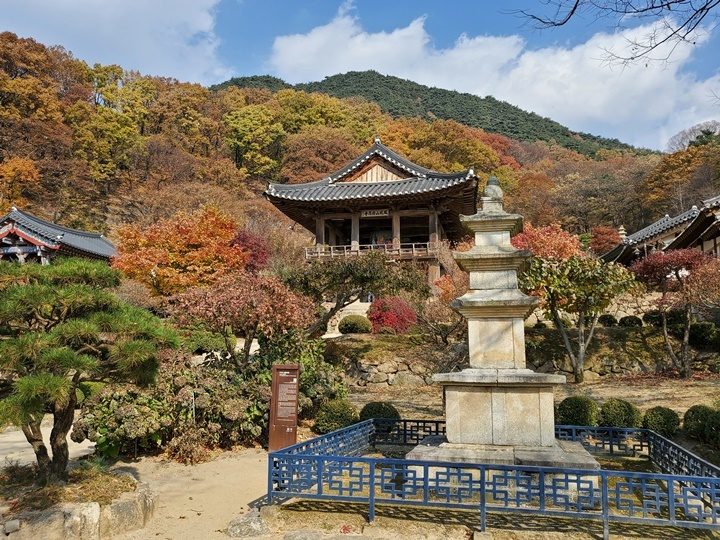
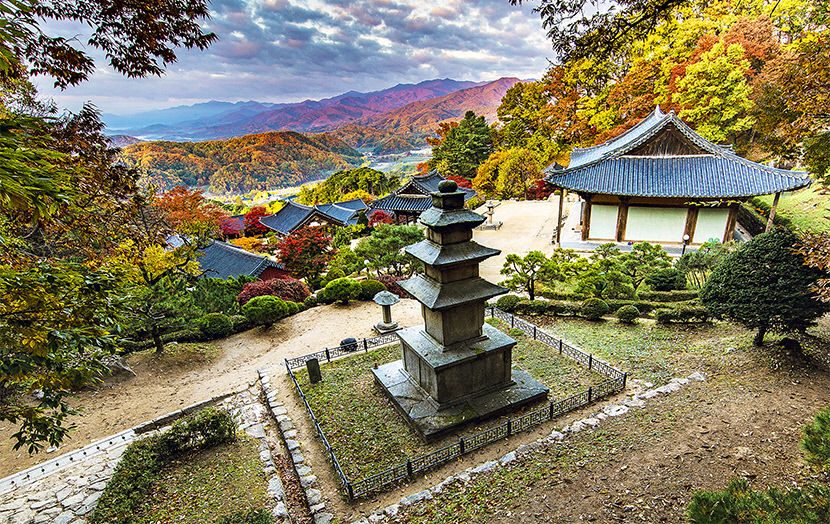
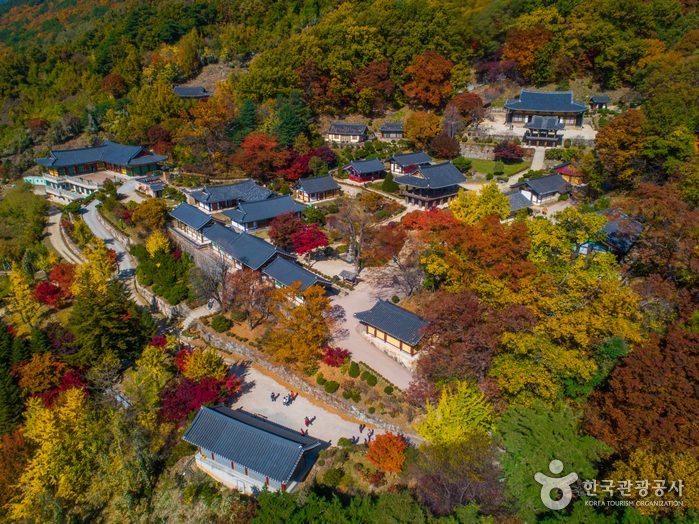
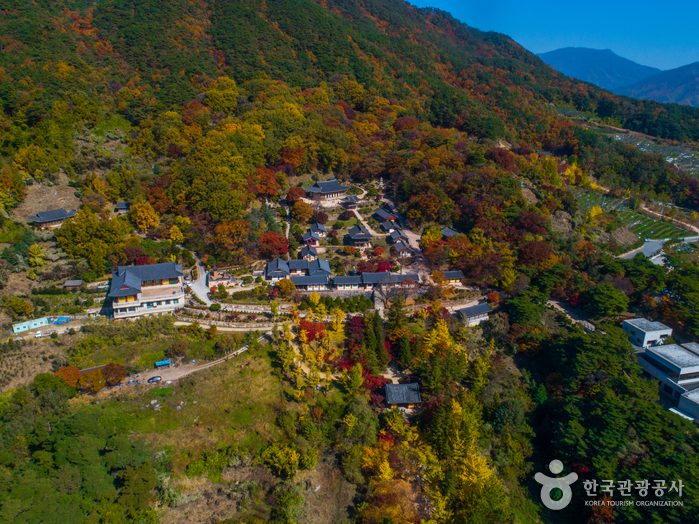
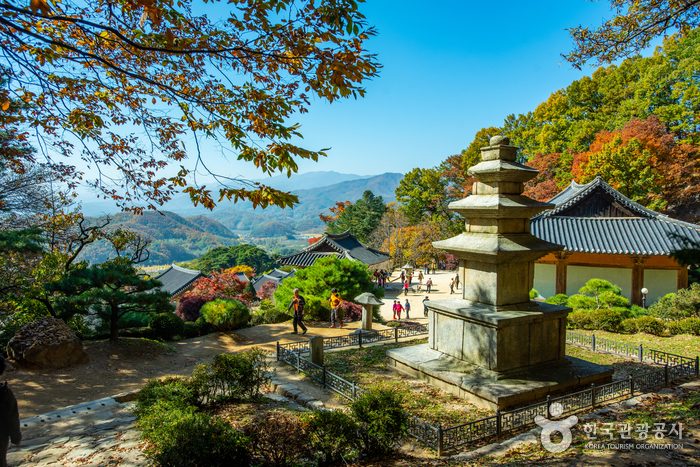
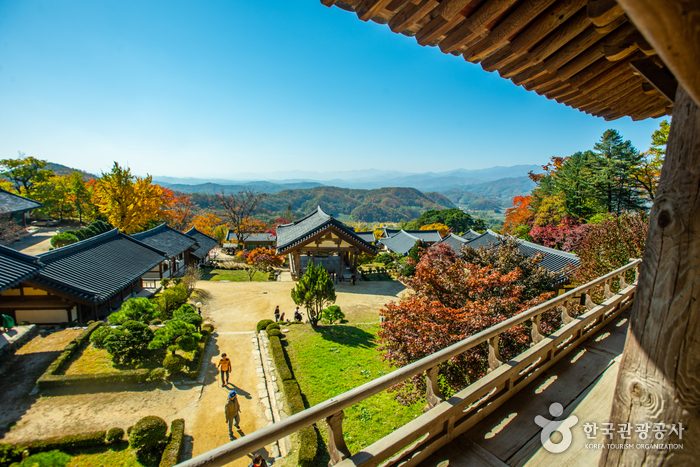
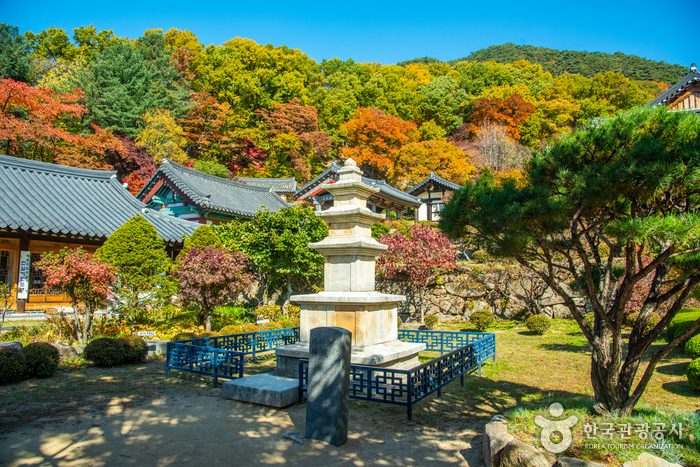
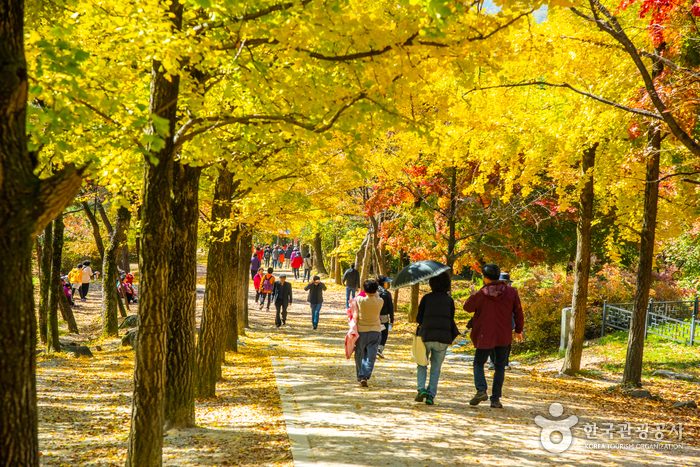
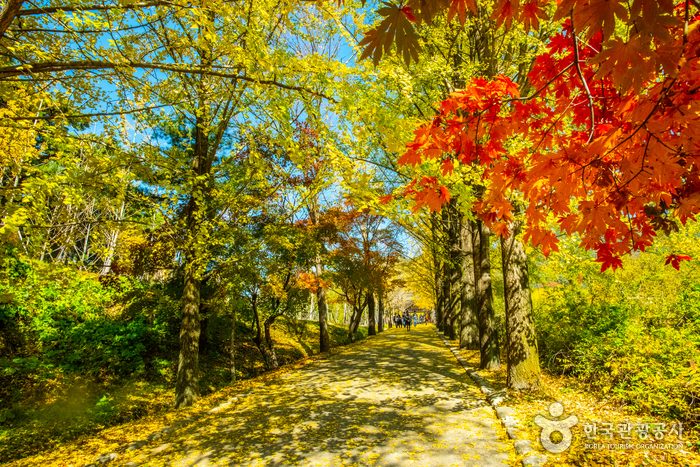
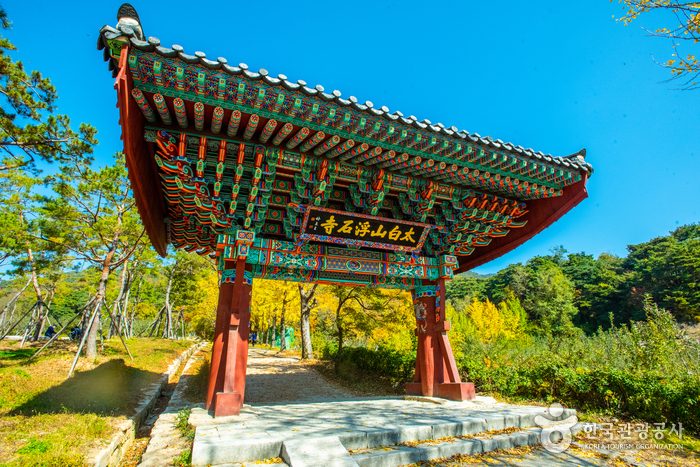
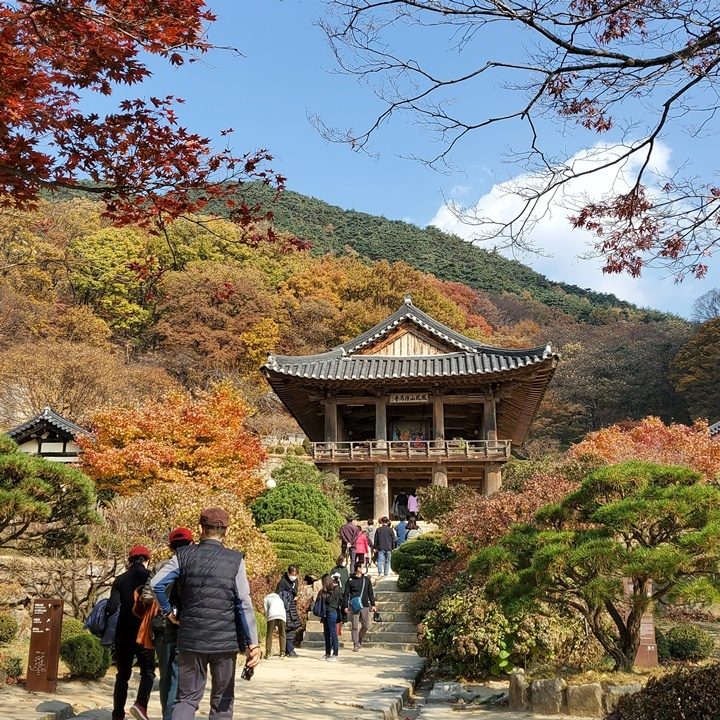
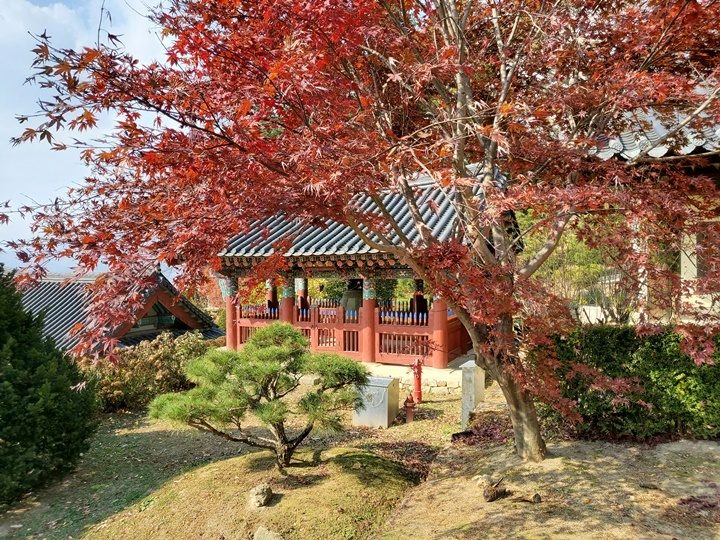
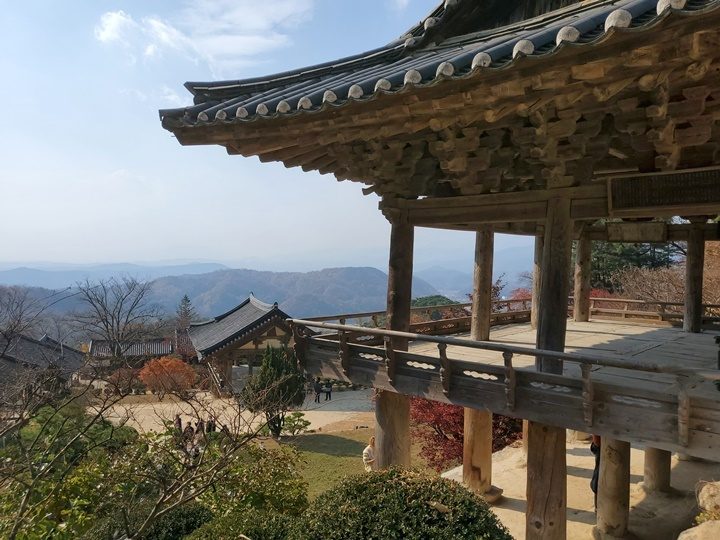
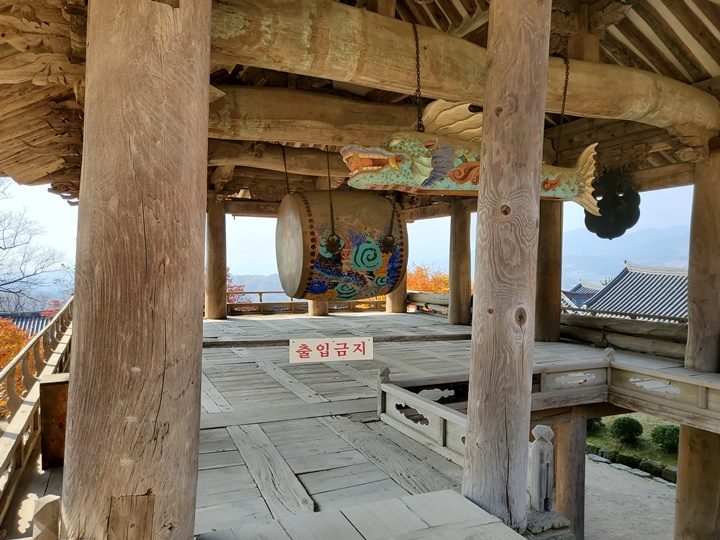
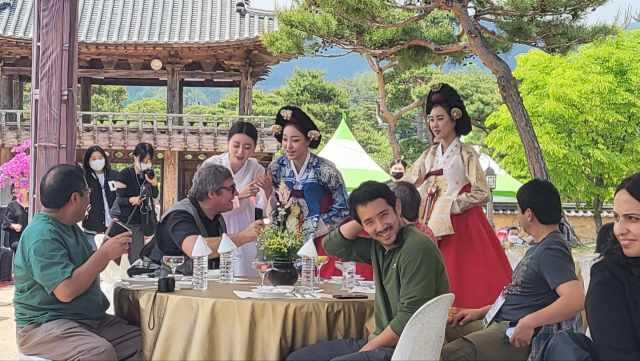
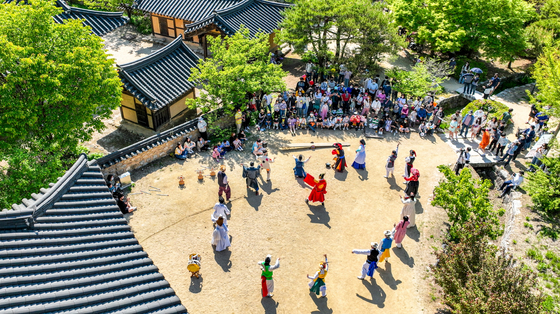
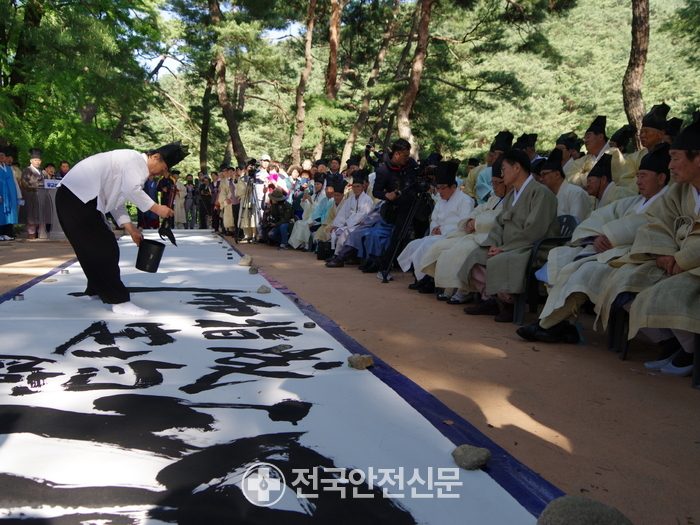
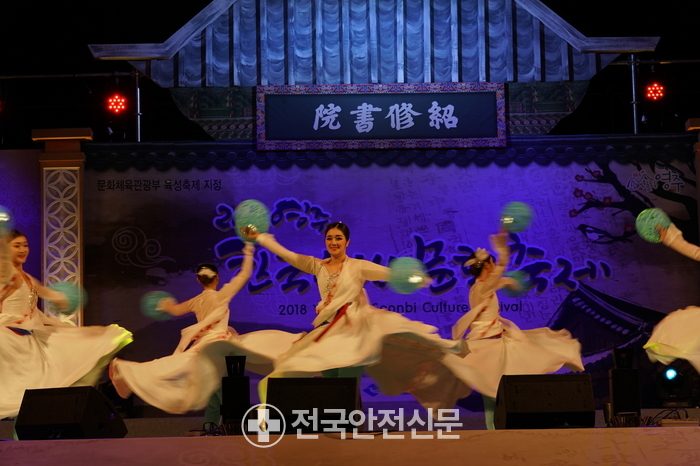
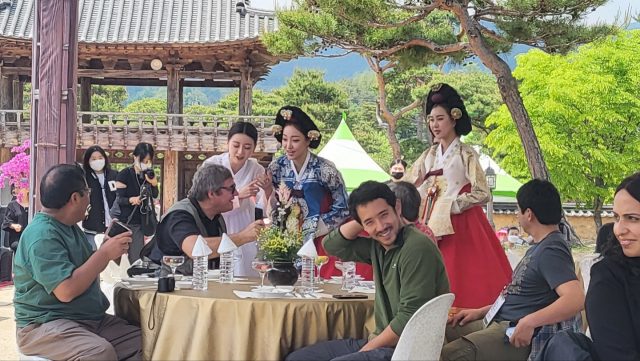
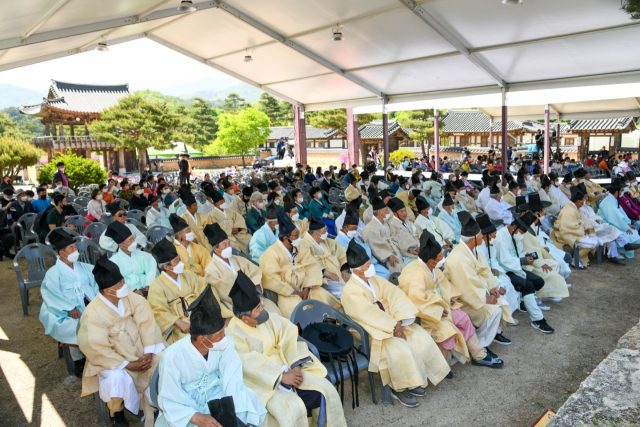
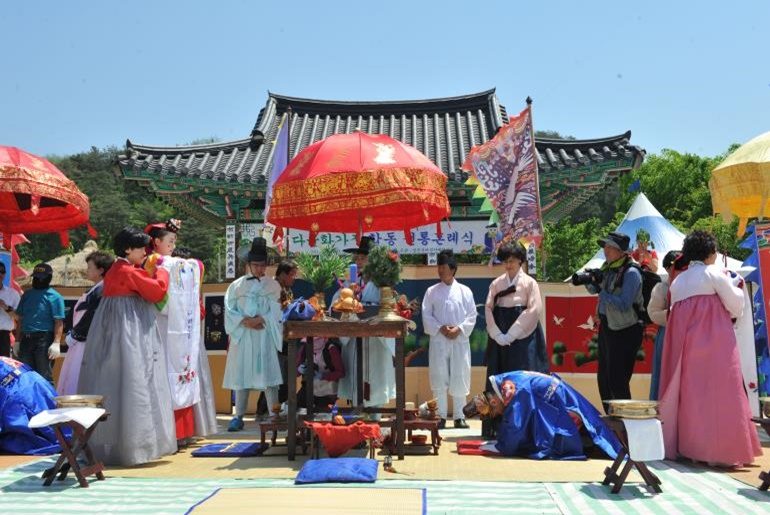
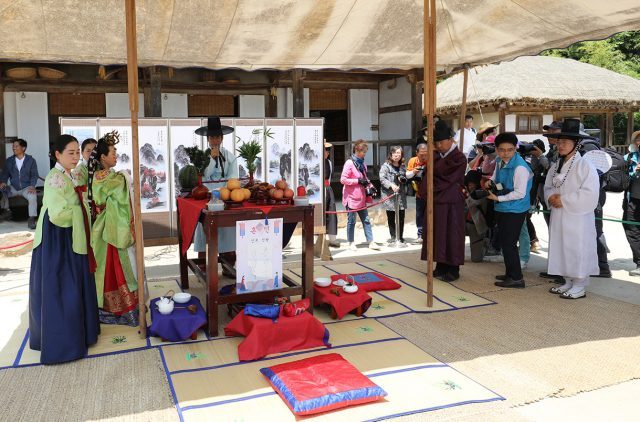
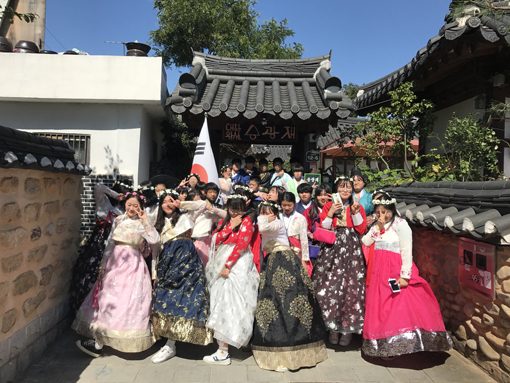
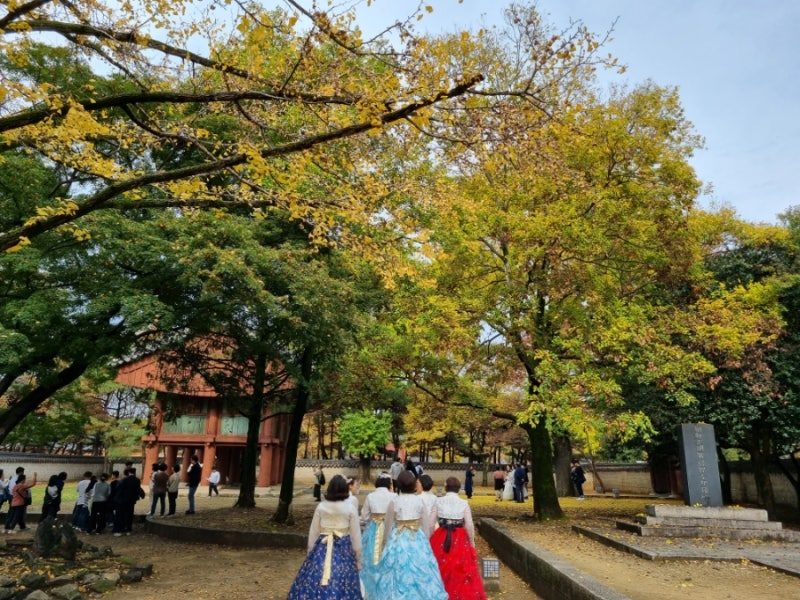
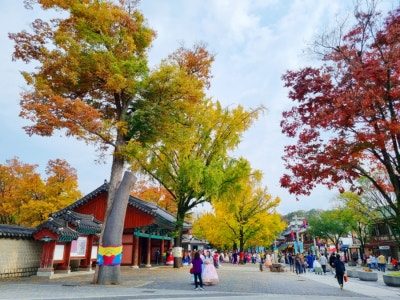
A celebration of Korea's Confucian scholar (선비) tradition held at the historic Seonbichon village. Activities include traditional games, hanbok wearing, calligraphy, and ceremonies re-enacting the scholarly life of the Joseon dynasty.
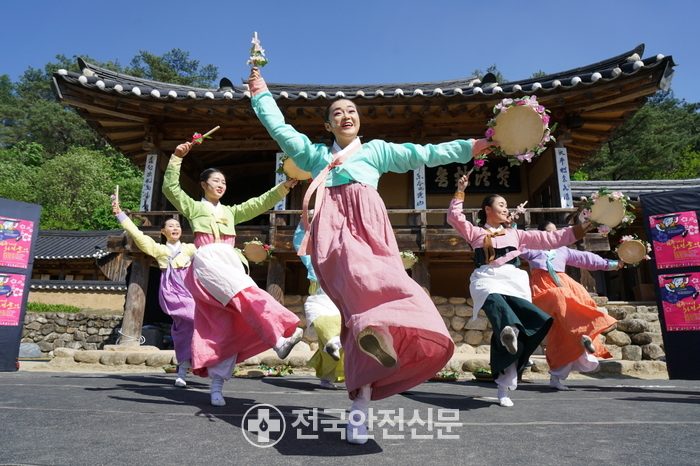
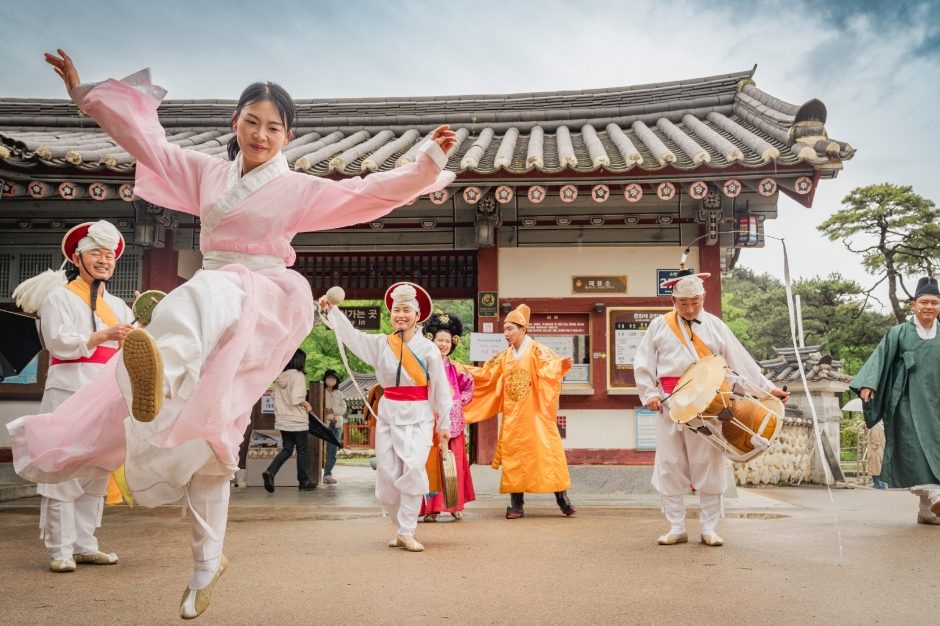
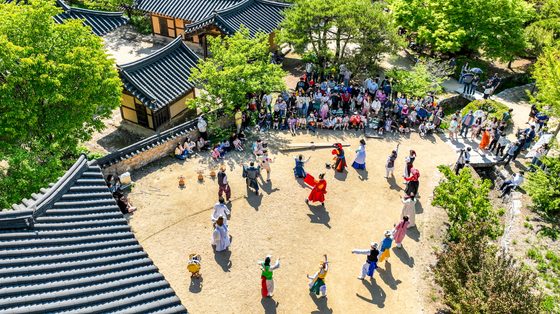
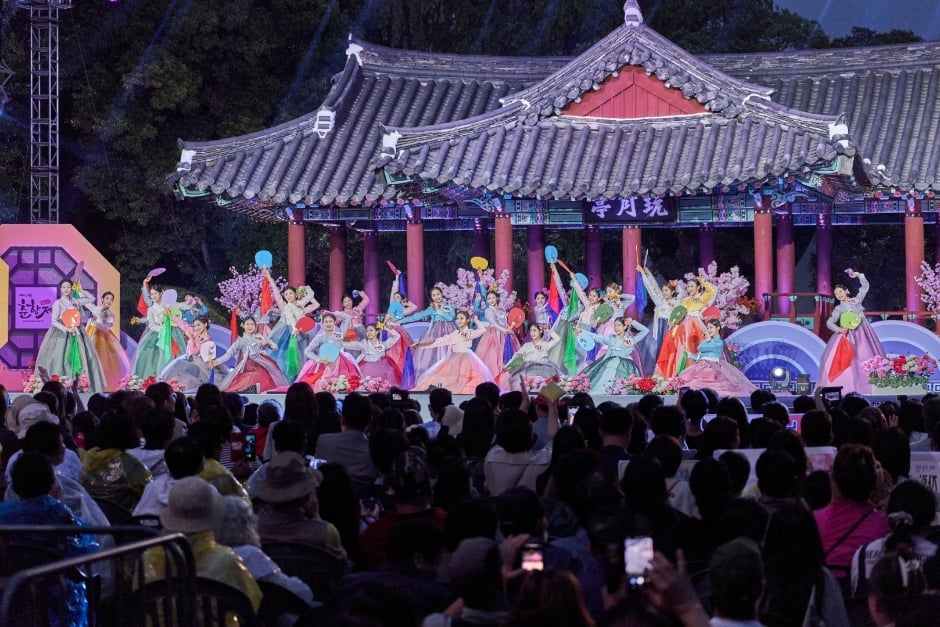
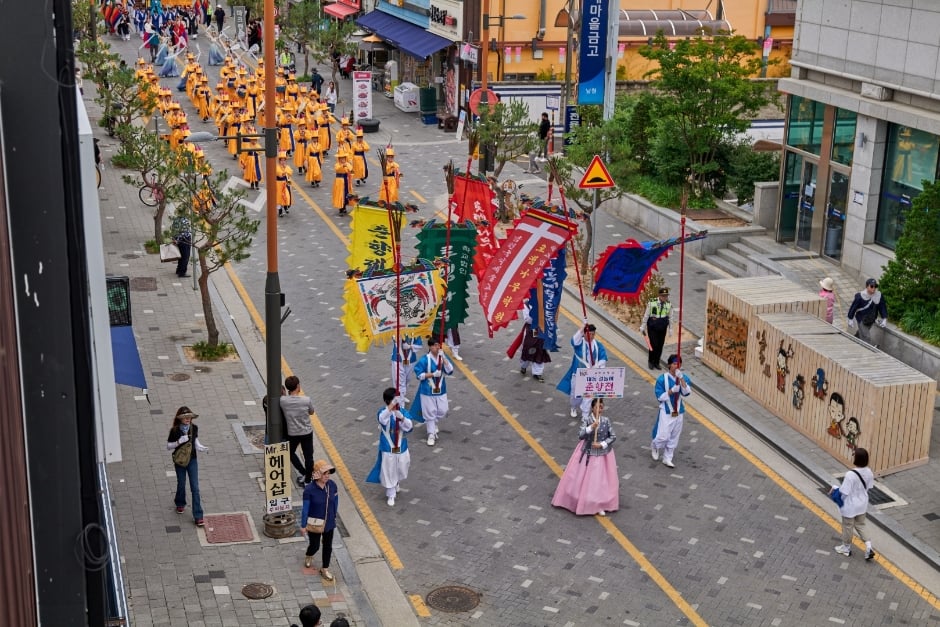
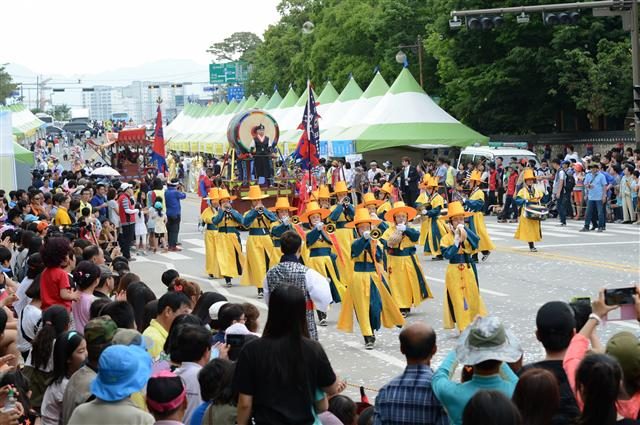
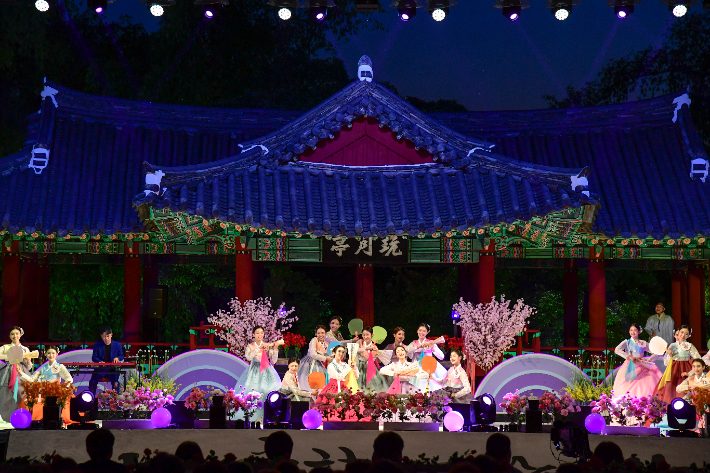
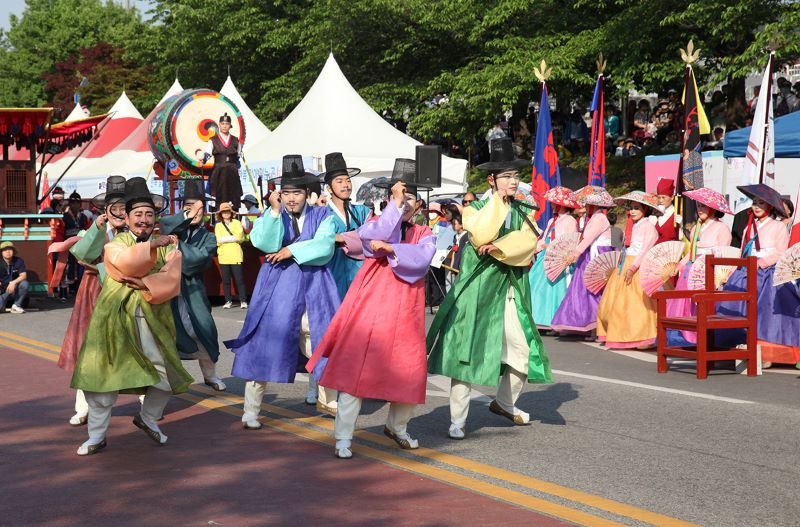
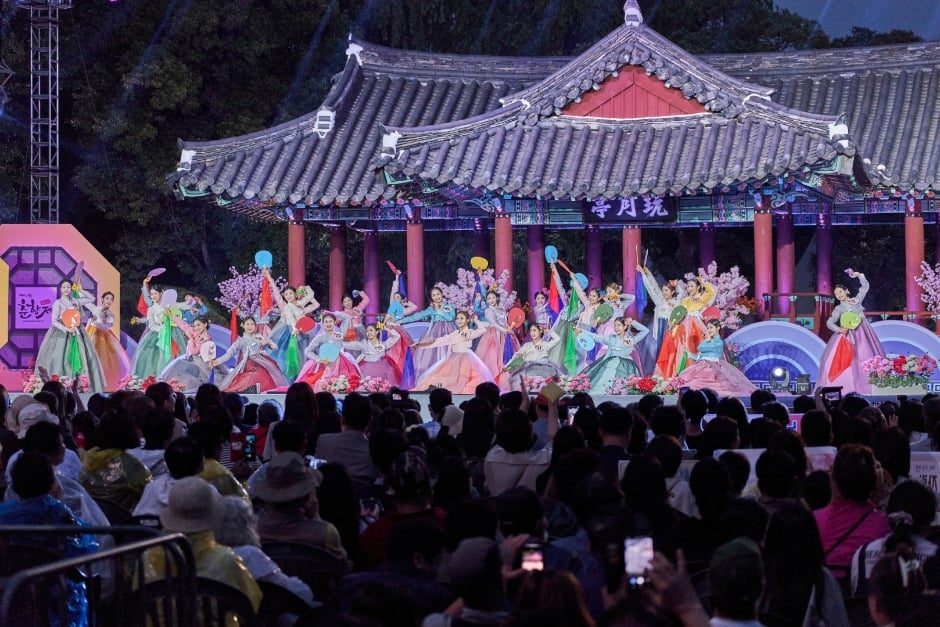
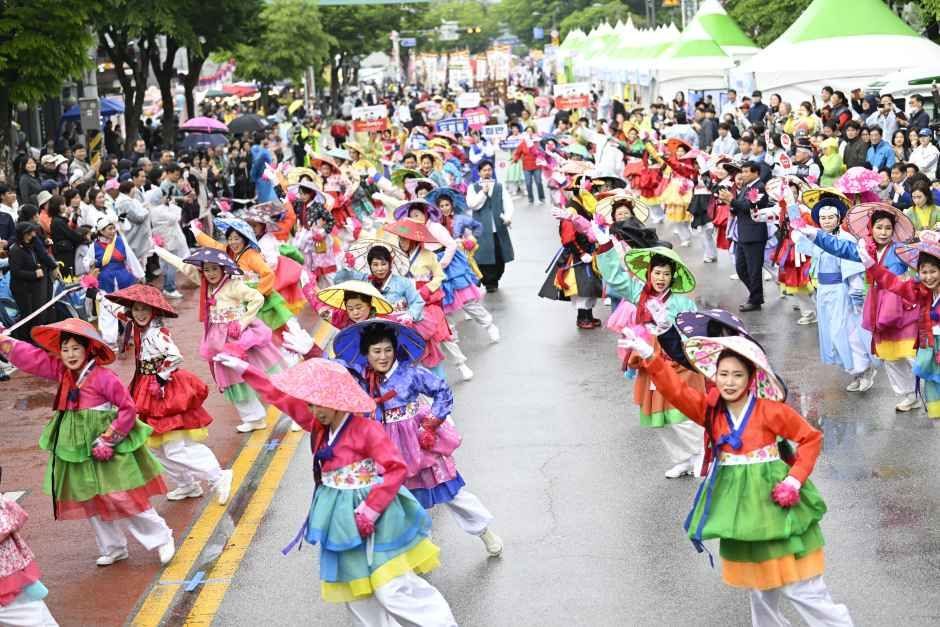
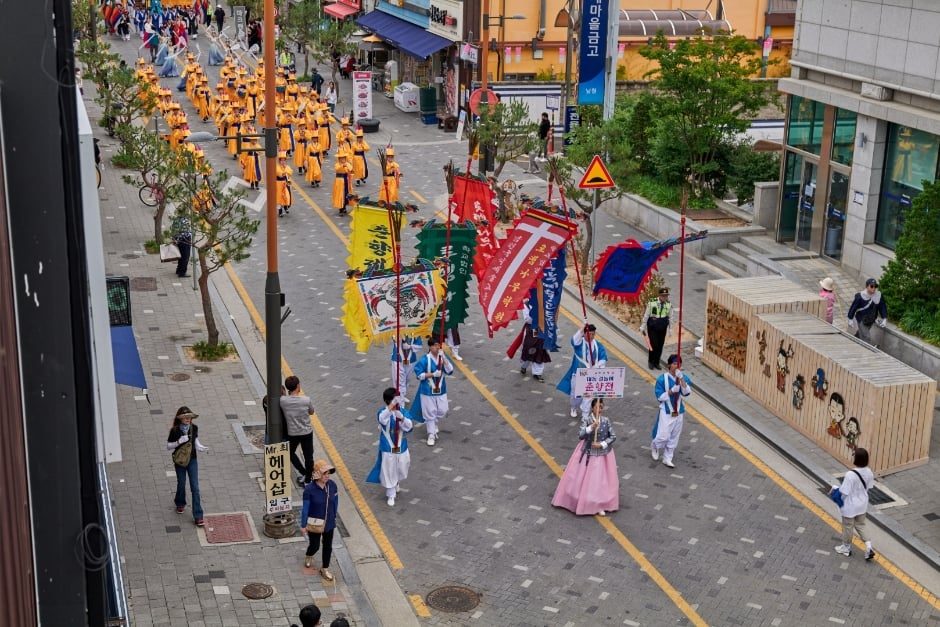
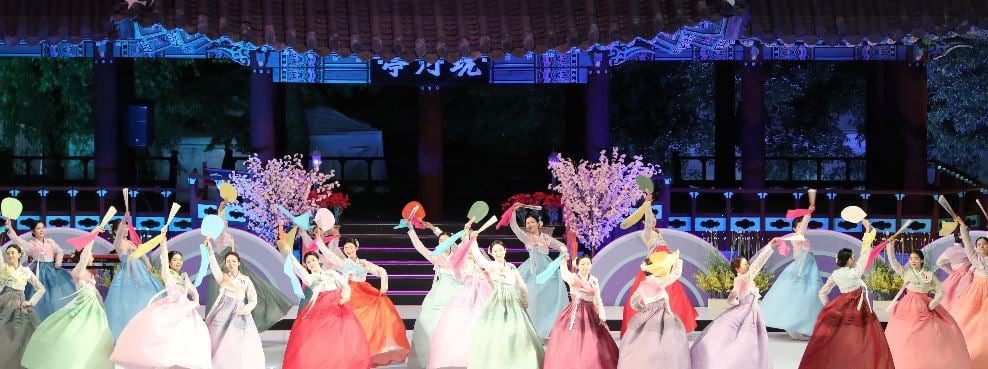
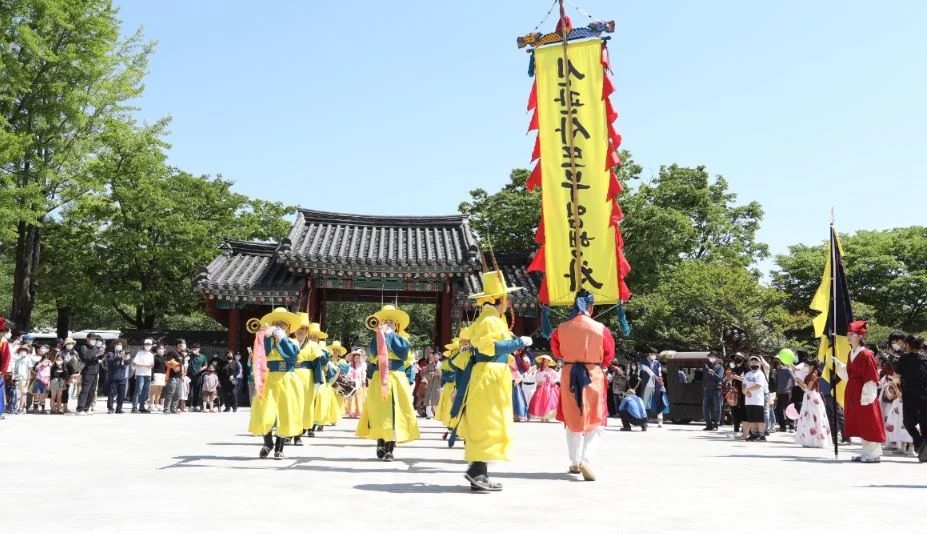
Korea's oldest and most beloved folk festival — the 96th edition. Inspired by the classic love story of Chunhyang and Yi Mongryong, the festival features a grand street parade, traditional performances, fireworks, and street food throughout the city.
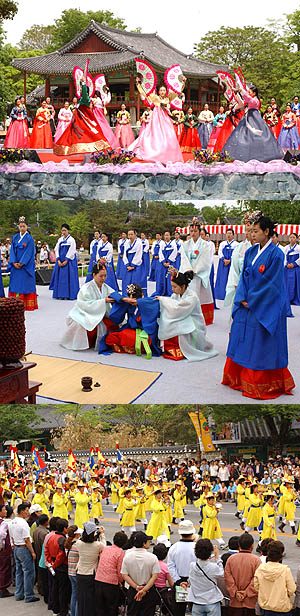
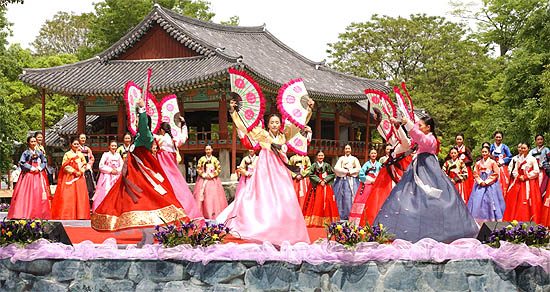
Spend the night at Jirisan Youth Camp in the mountains near Namwon. Traditional dinner and breakfast are provided — a genuine taste of countryside Korea, far from the city.
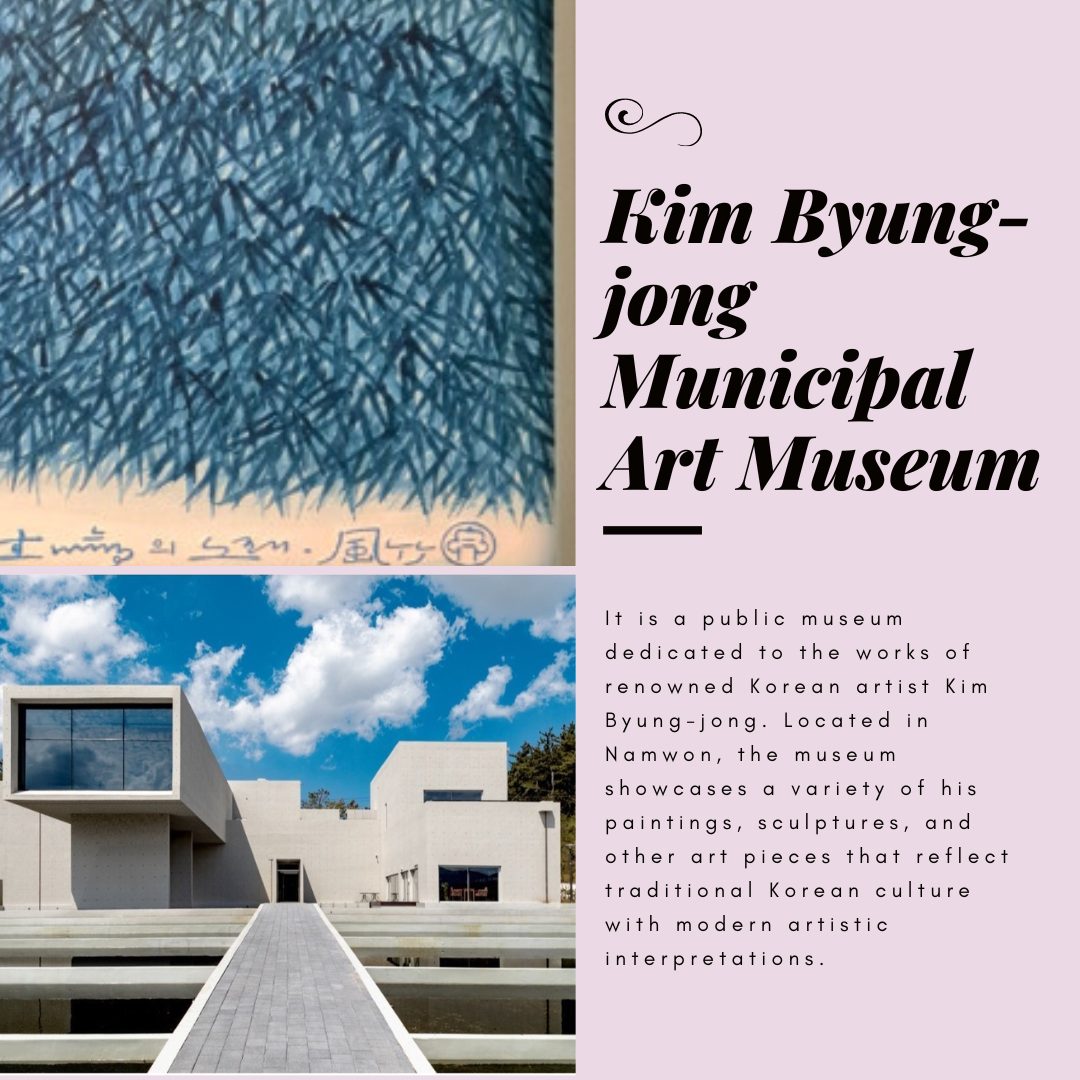
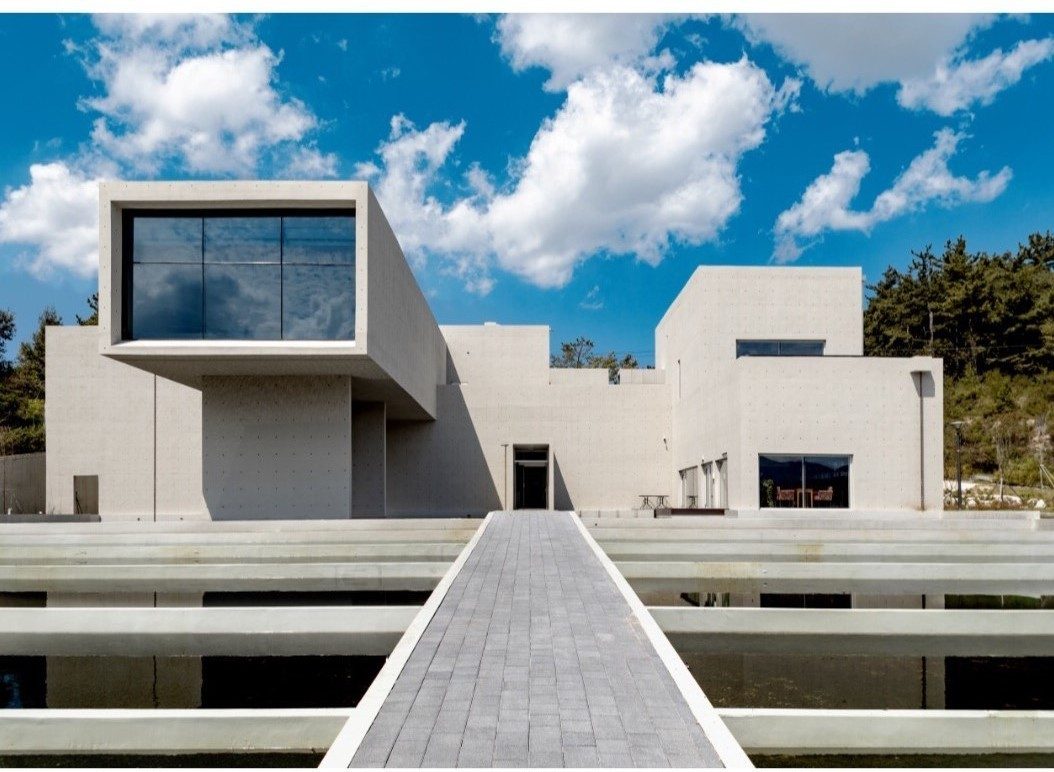
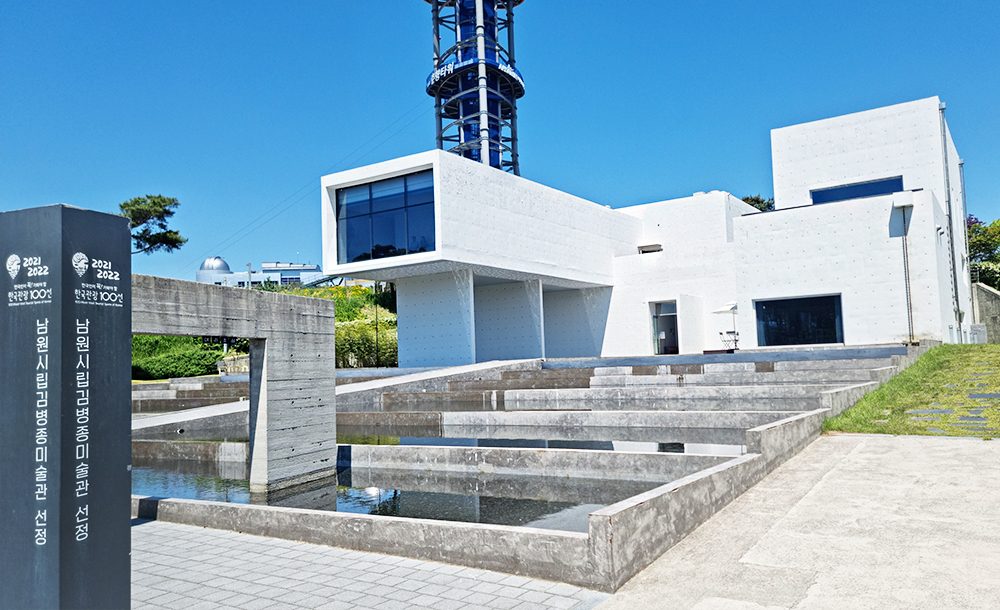
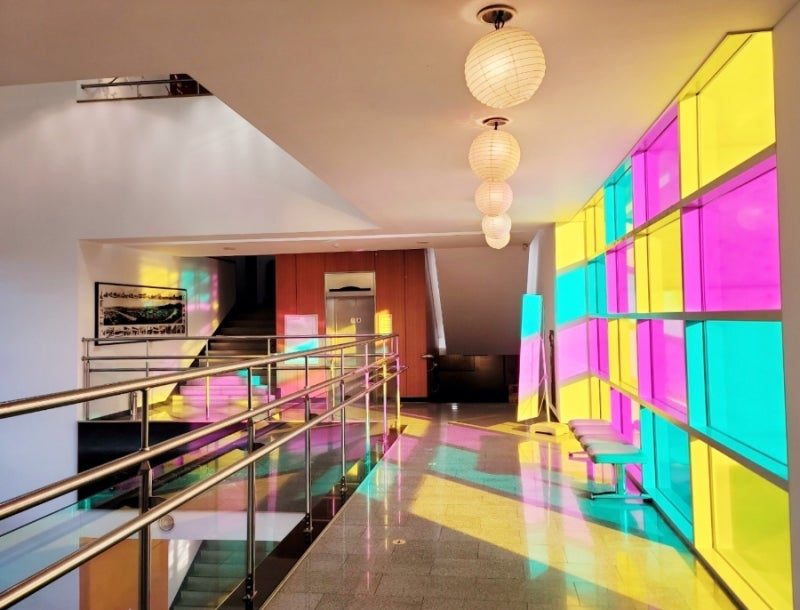
A striking modernist municipal art museum dedicated to renowned Korean painter Kim Byeong-jong. The minimalist concrete building is surrounded by reflection pools and mountain views — as much an architectural experience as an artistic one.
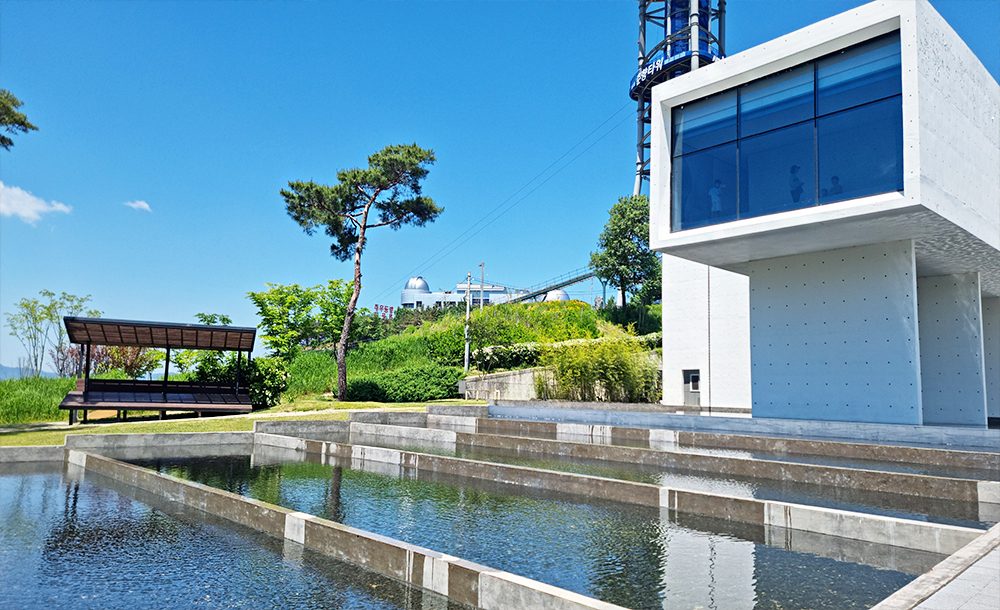
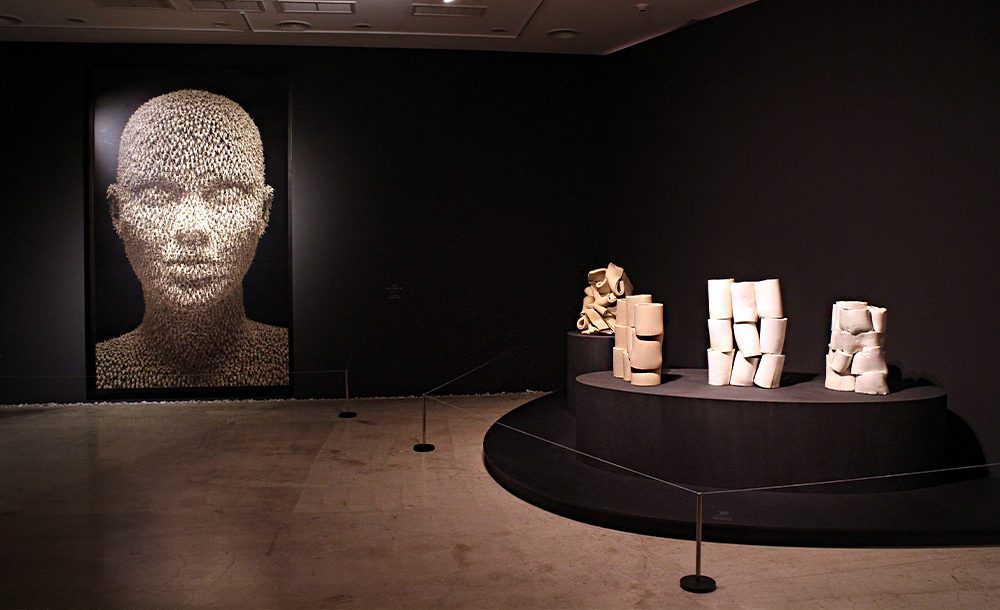
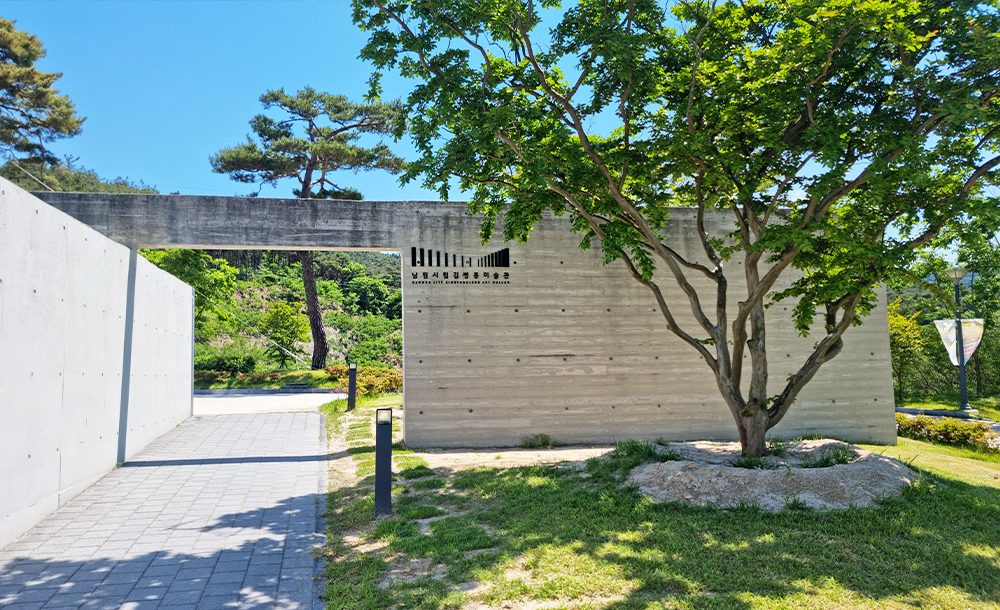
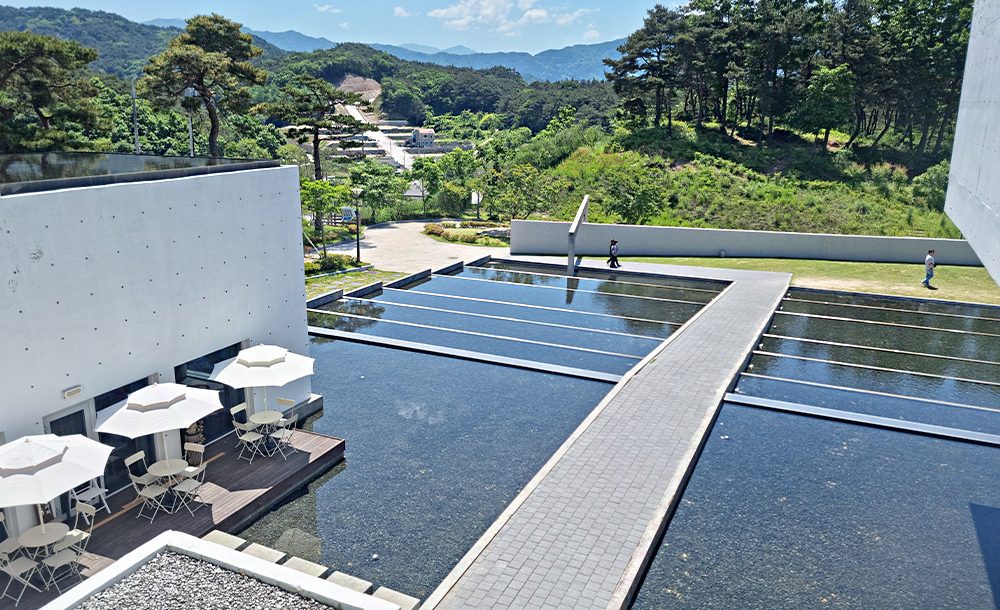
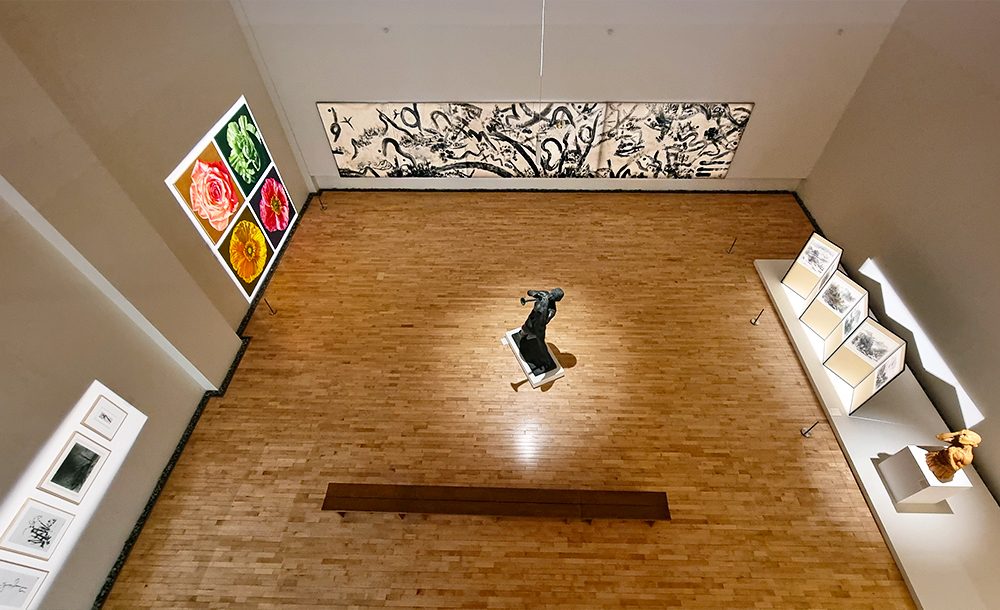
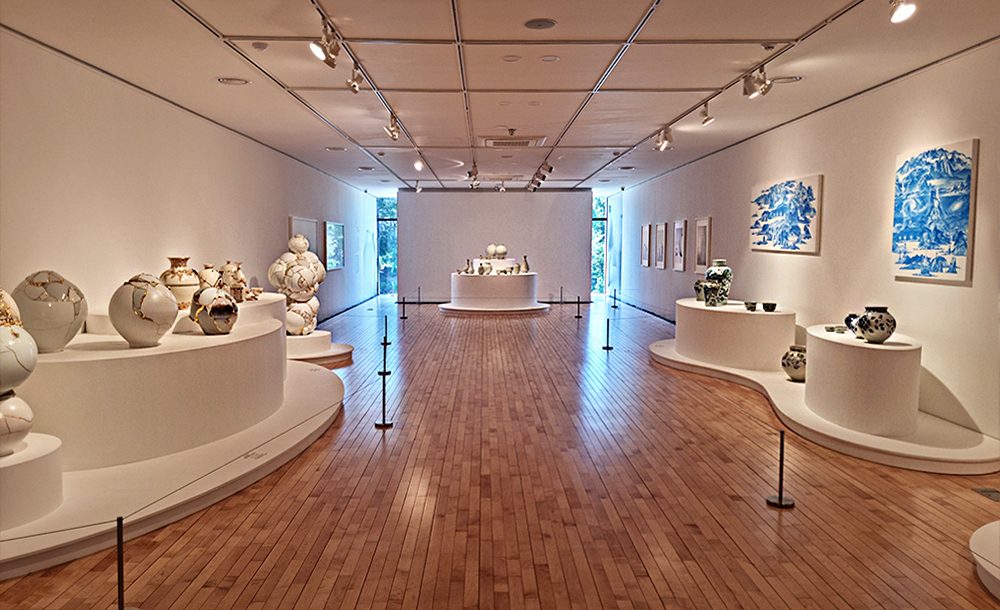
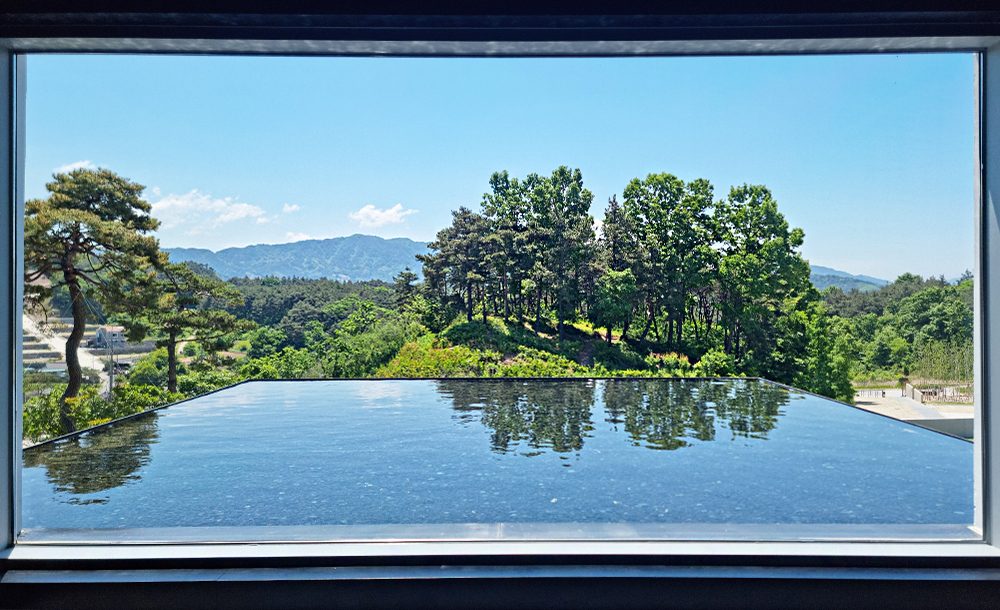
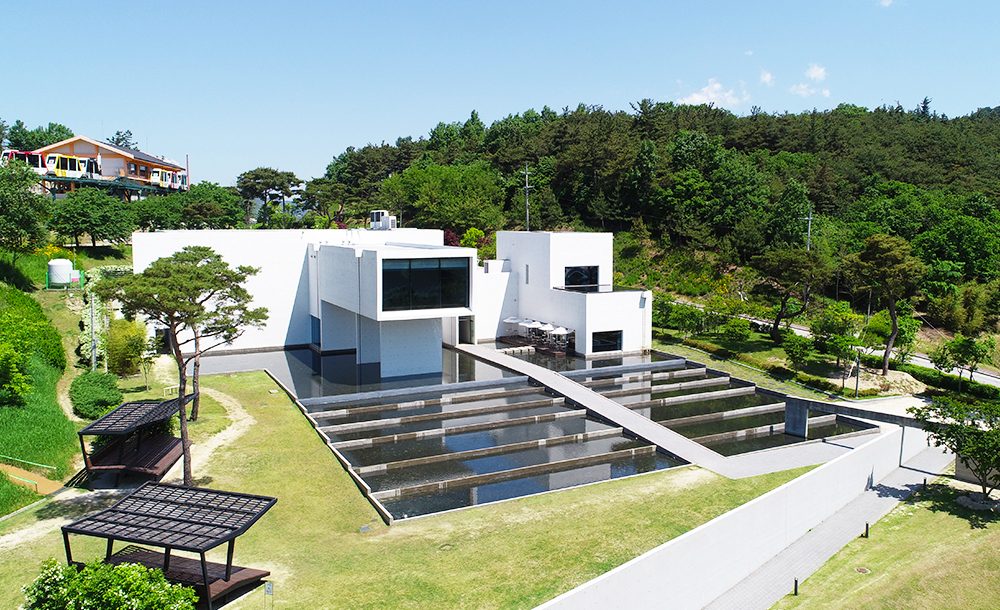
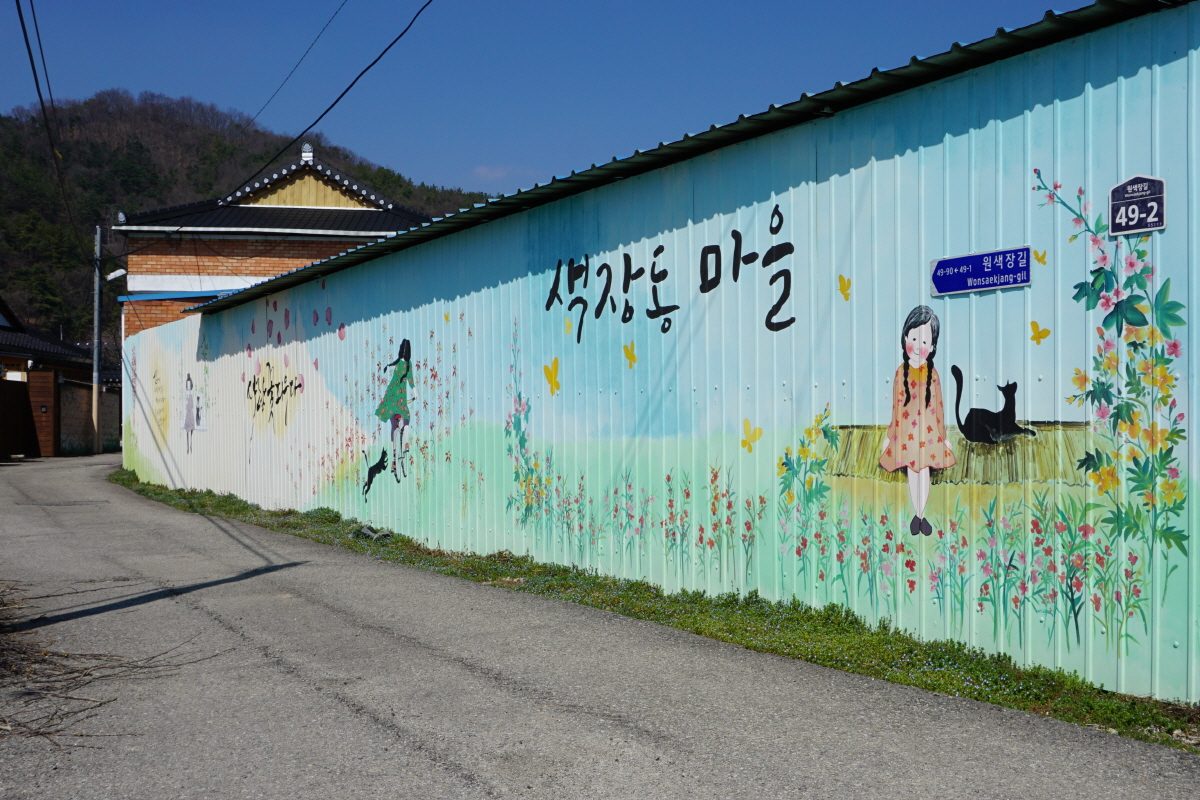
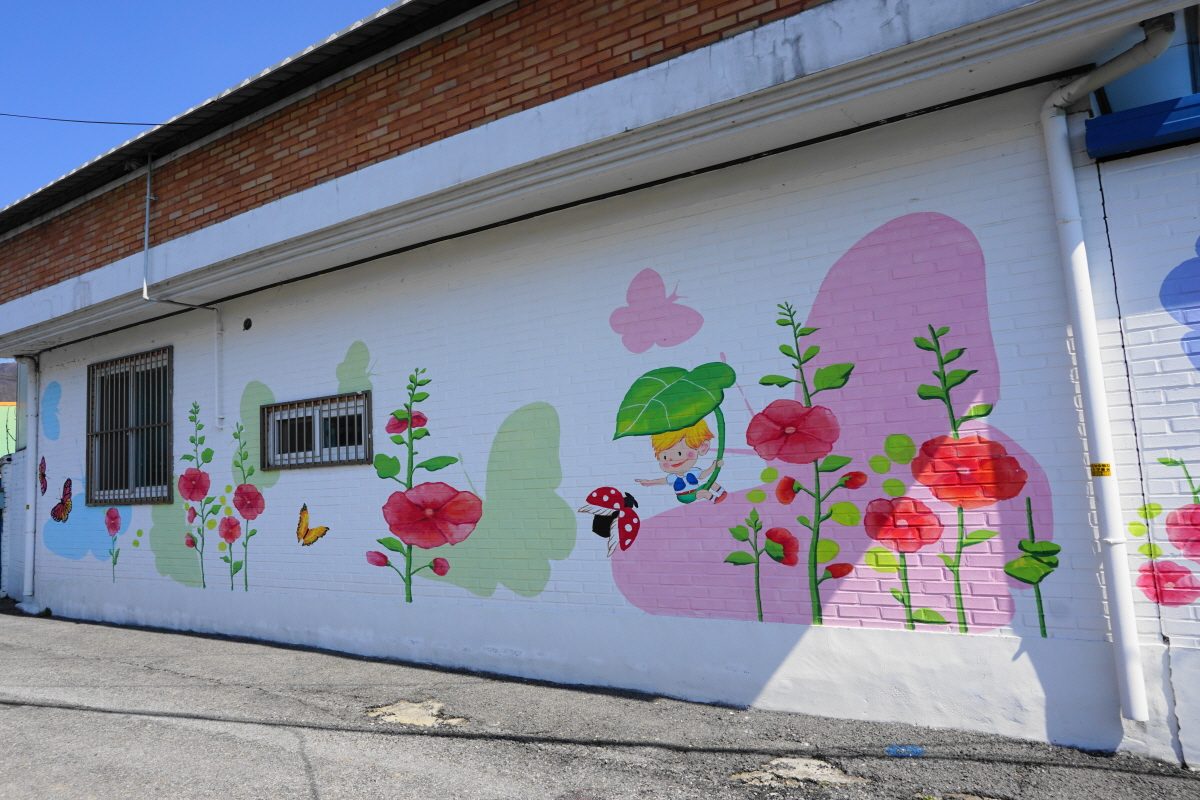
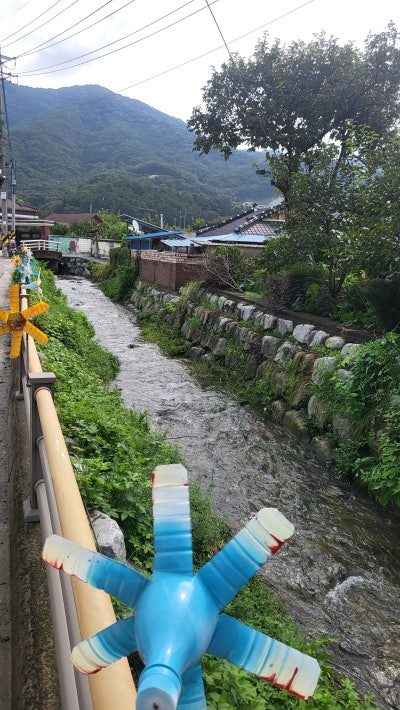
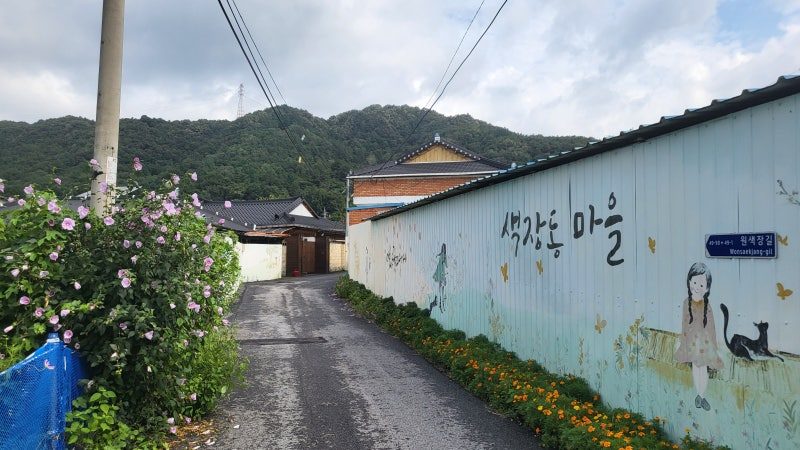
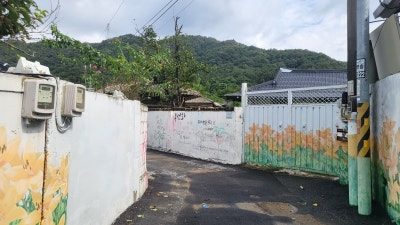
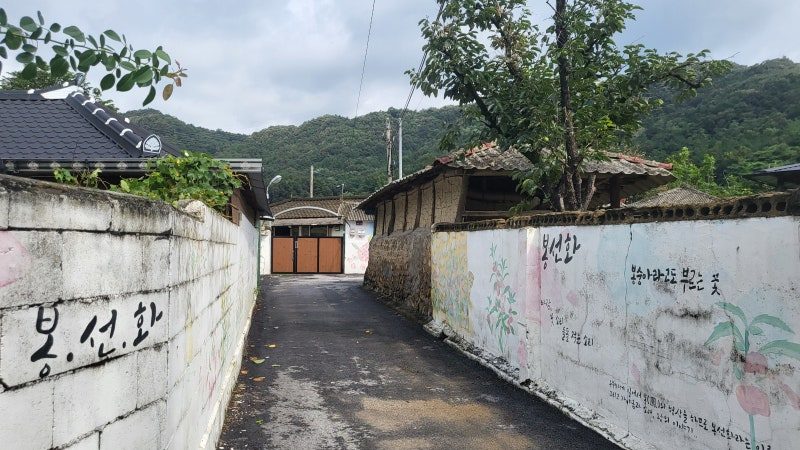
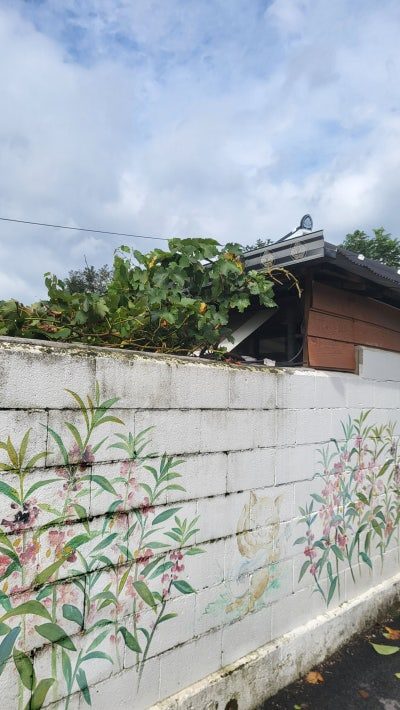
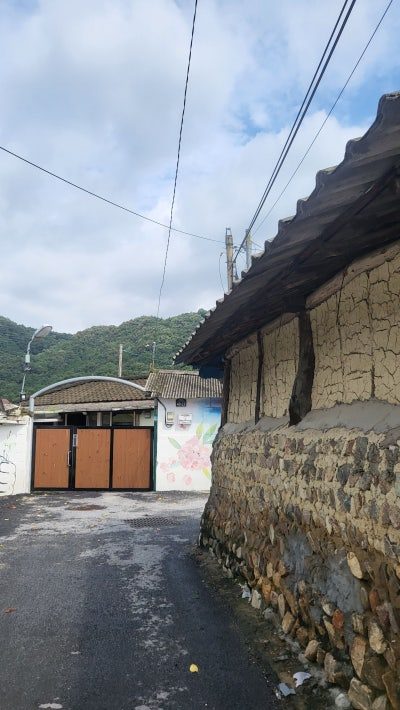
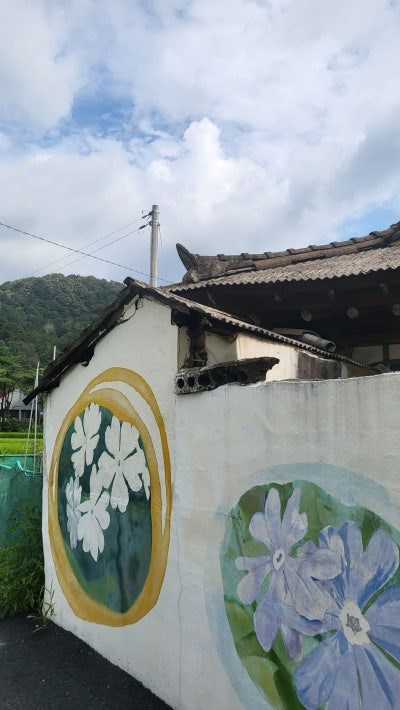
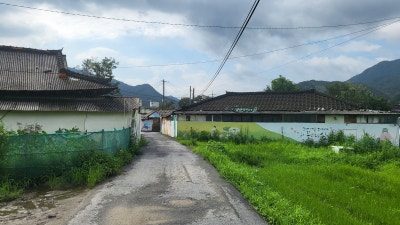
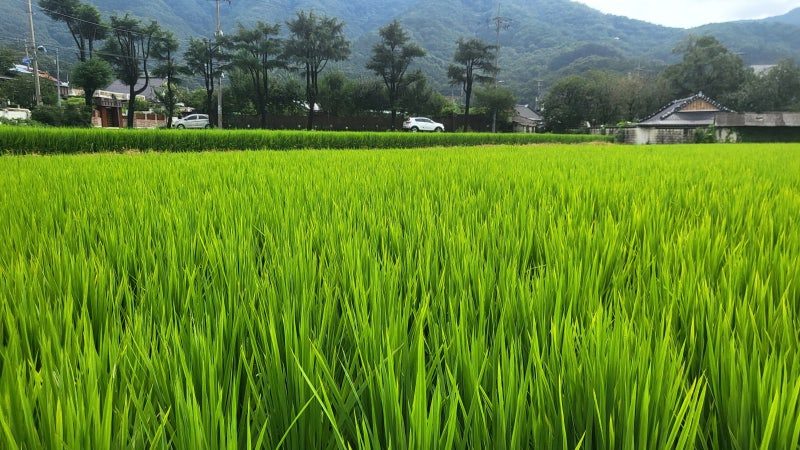
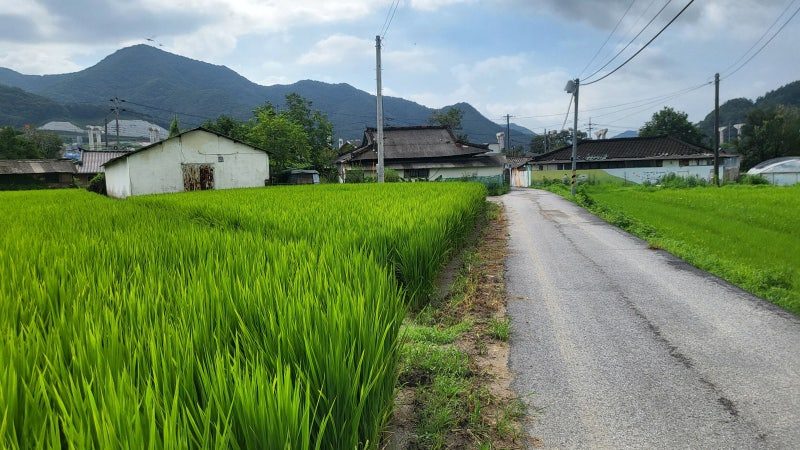
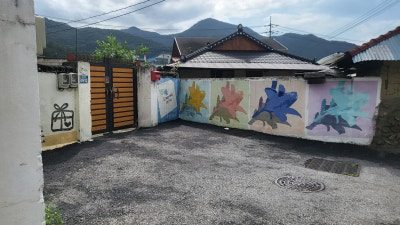
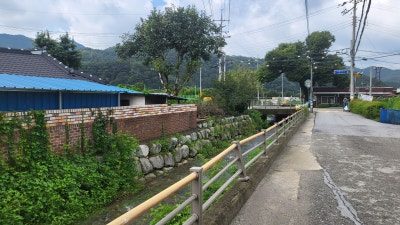
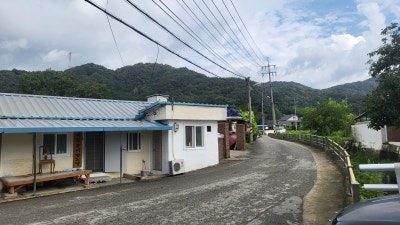
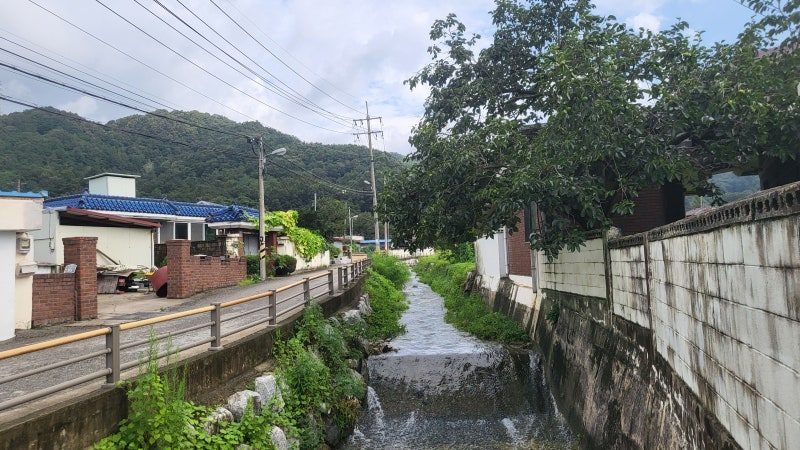
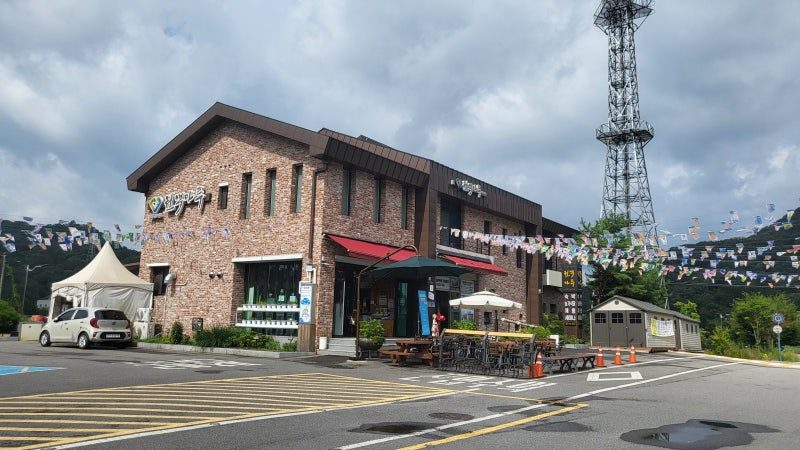
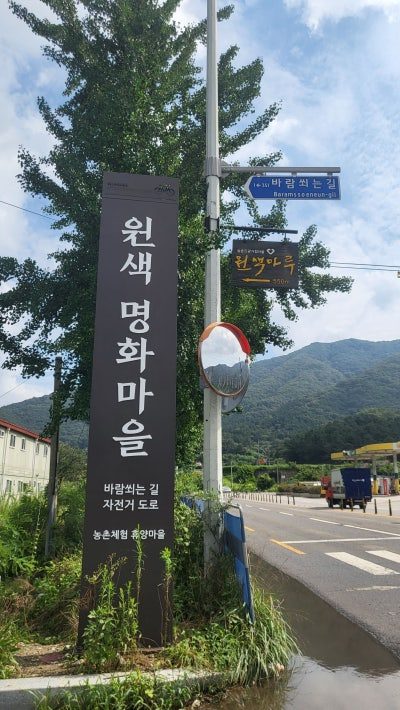
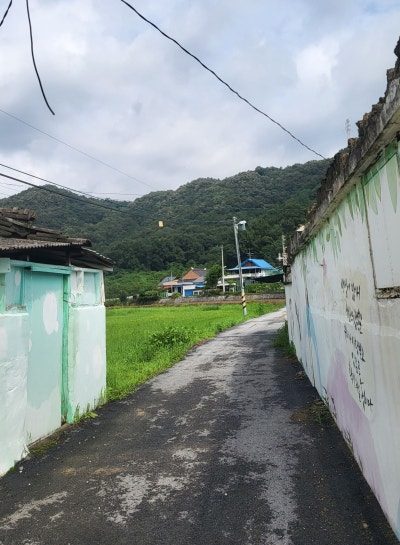
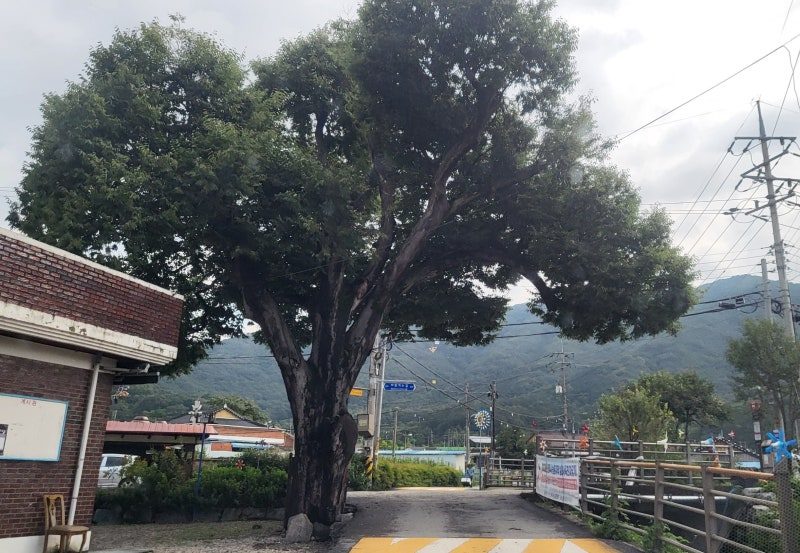
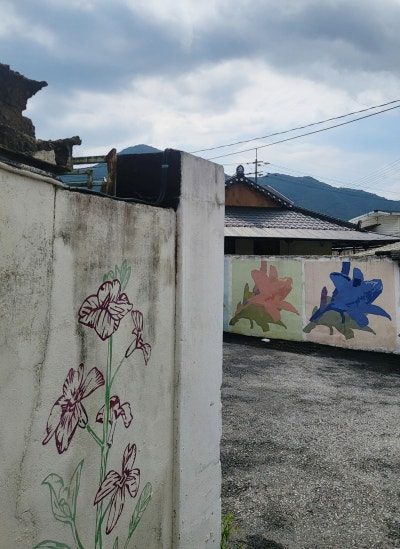
A charming folk-painting village tucked along a mountain stream, where local artists have turned the entire village into an open-air gallery. Try your hand at traditional Korean folk painting, then enjoy a provided lunch in the countryside.
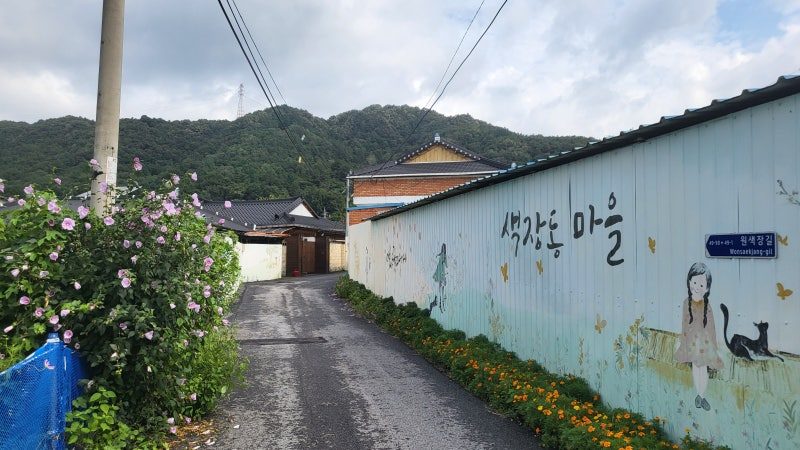
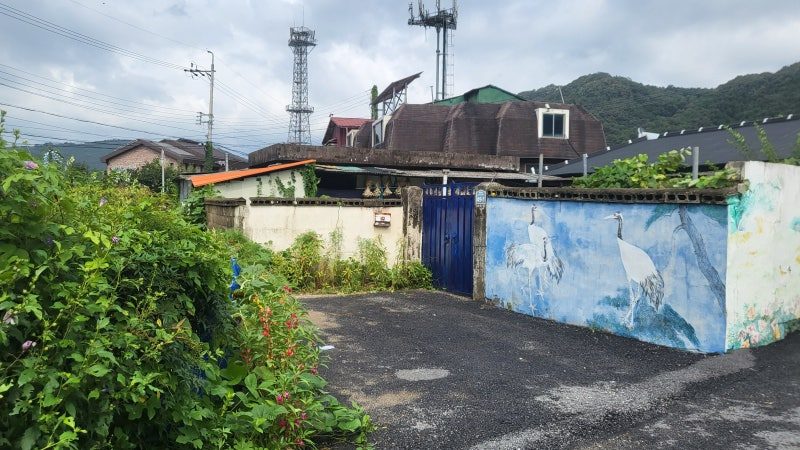
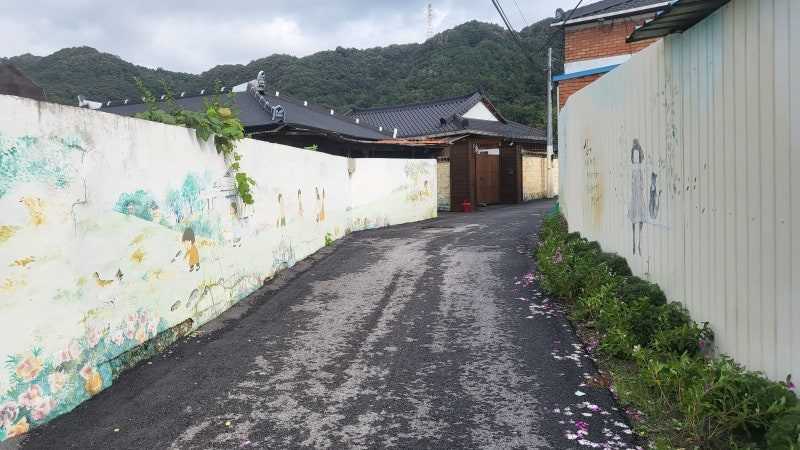
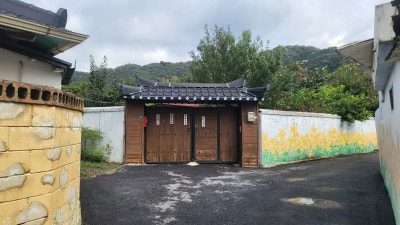
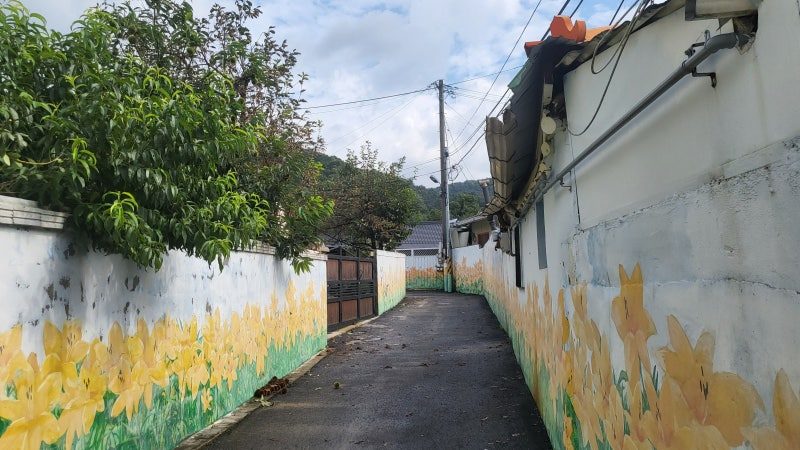
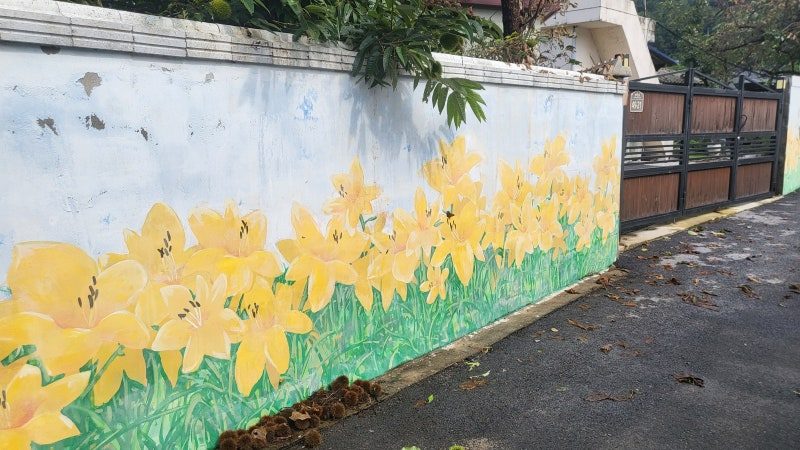
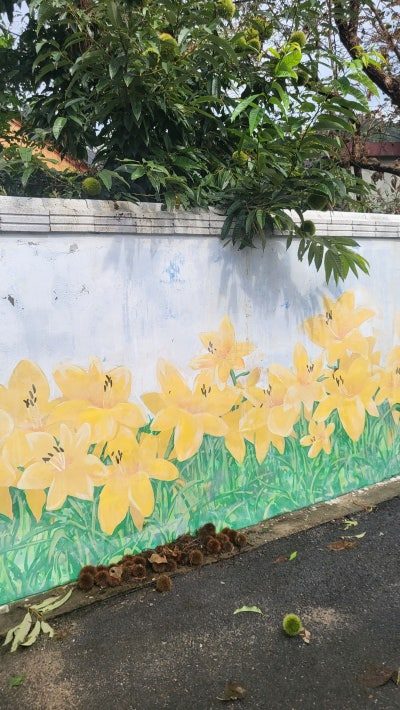
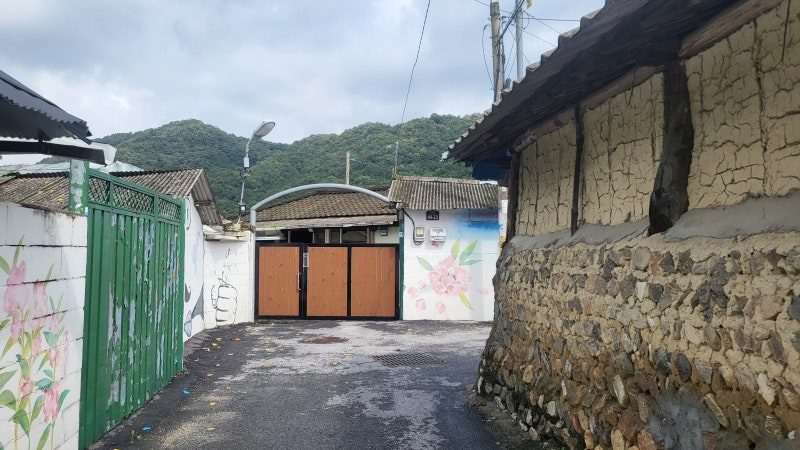
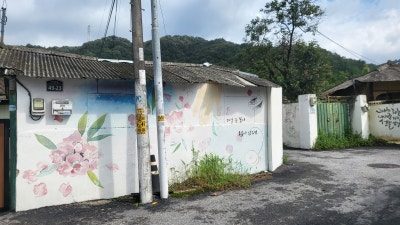
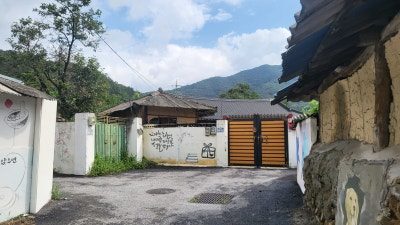
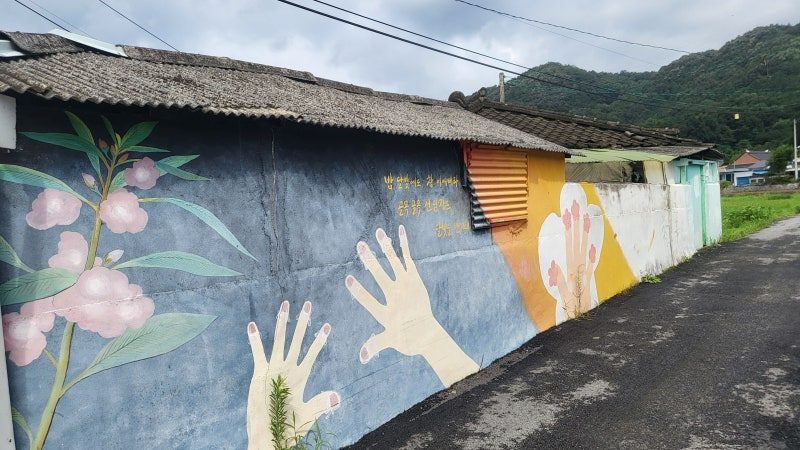
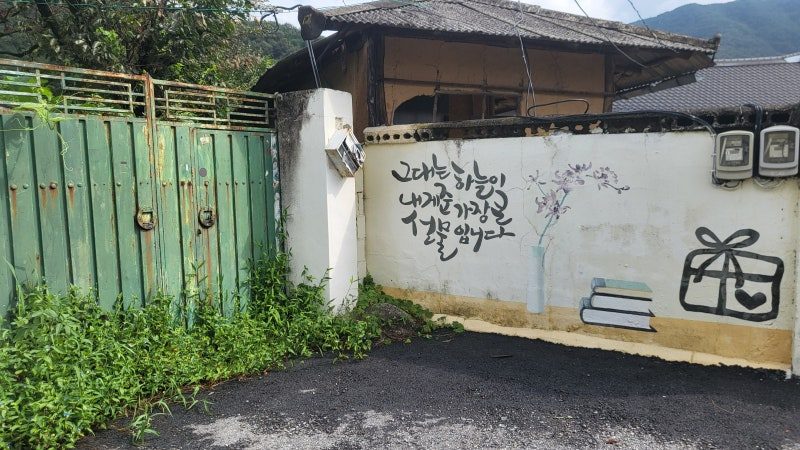
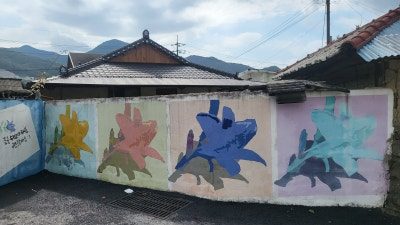
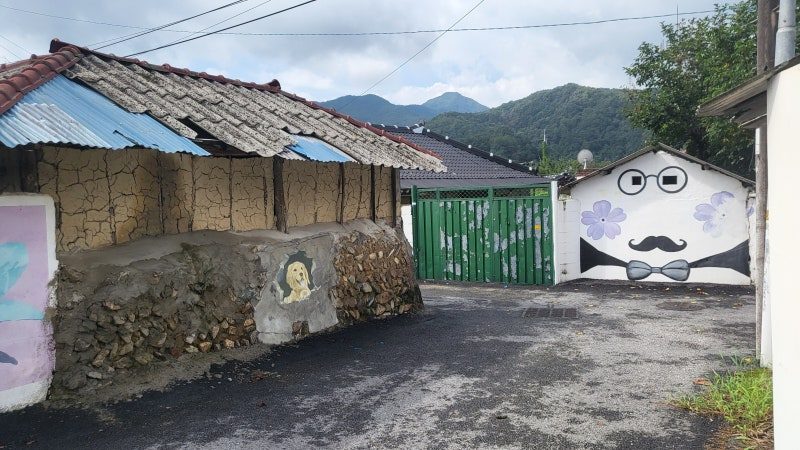
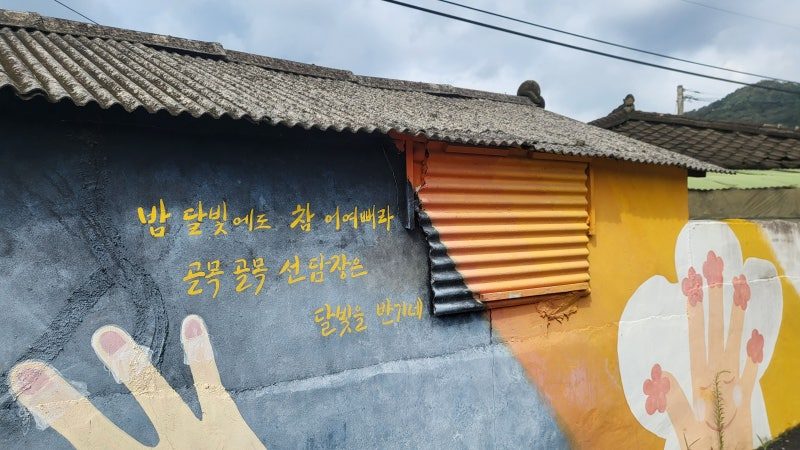
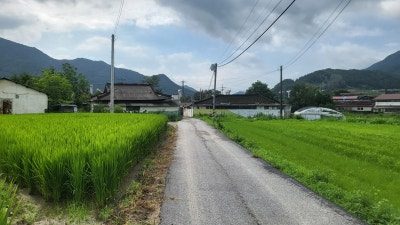
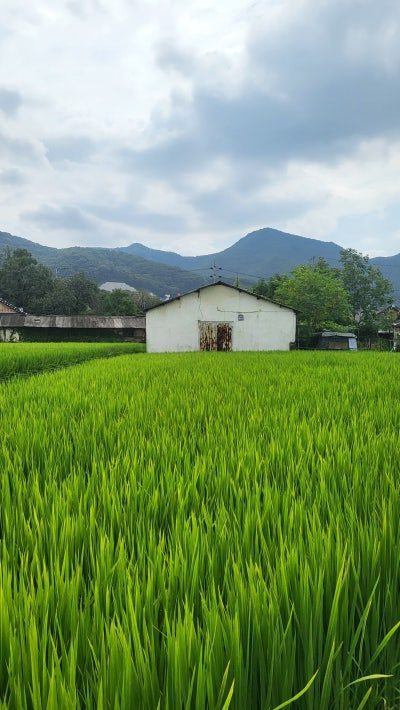
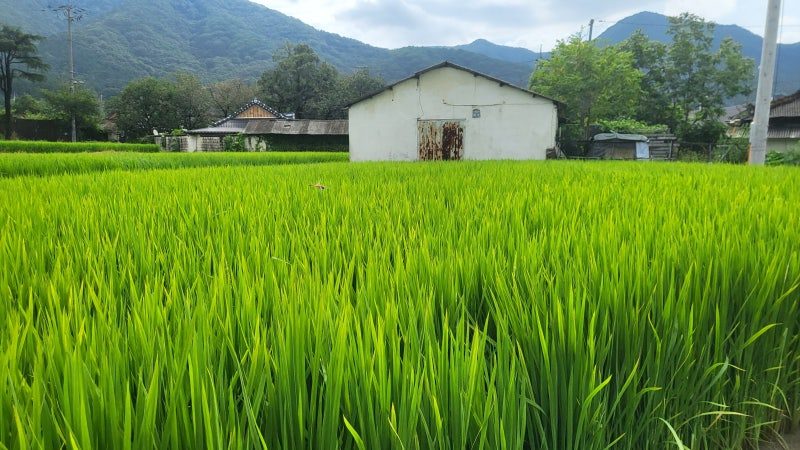
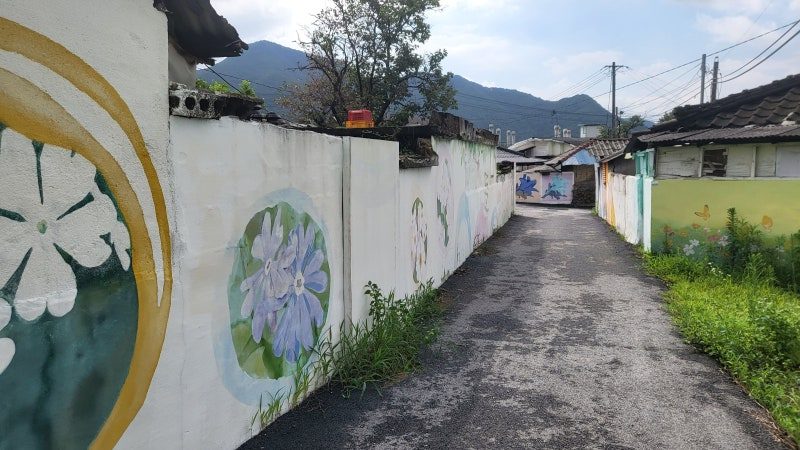
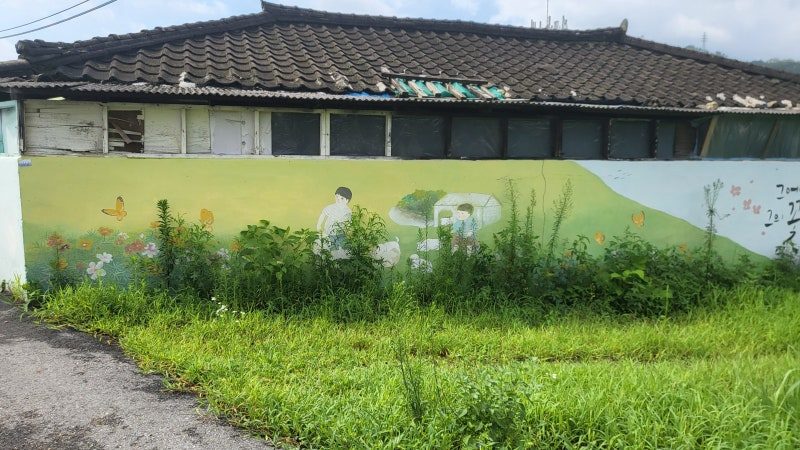
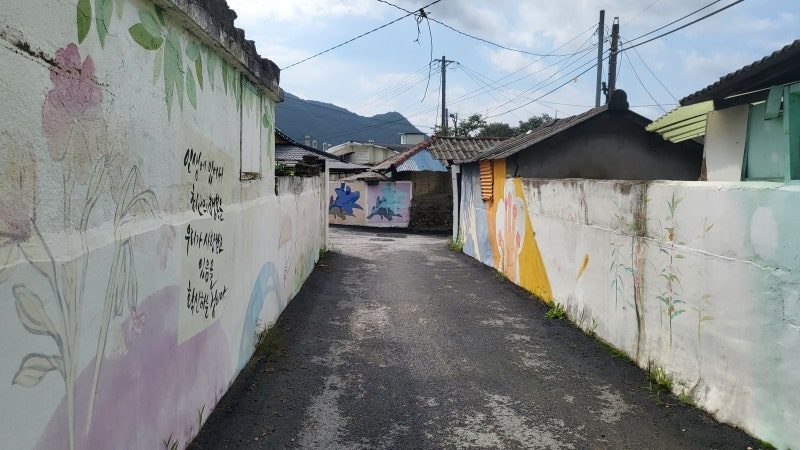
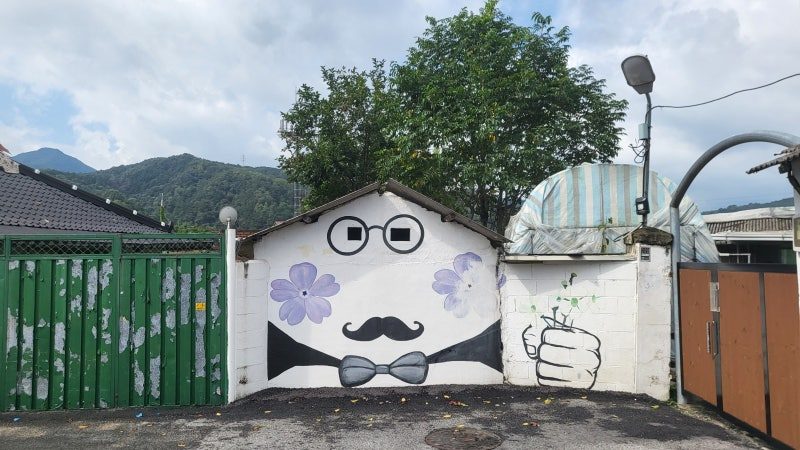
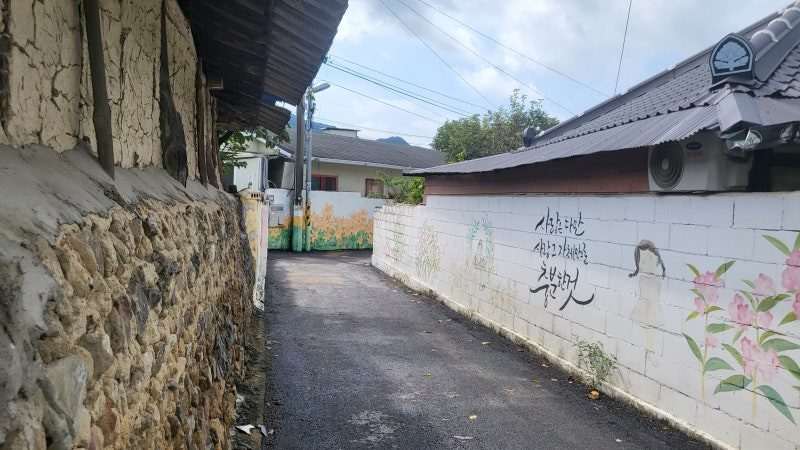
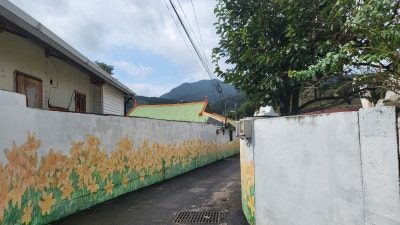
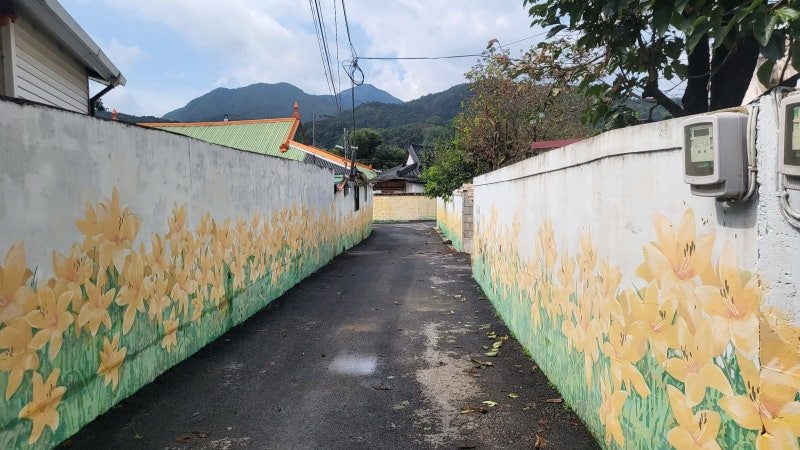
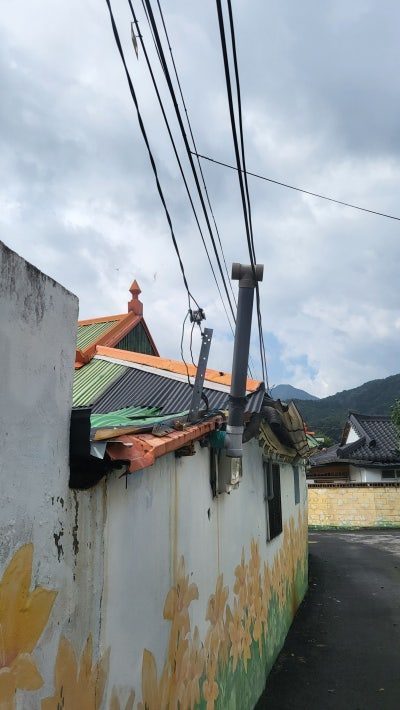
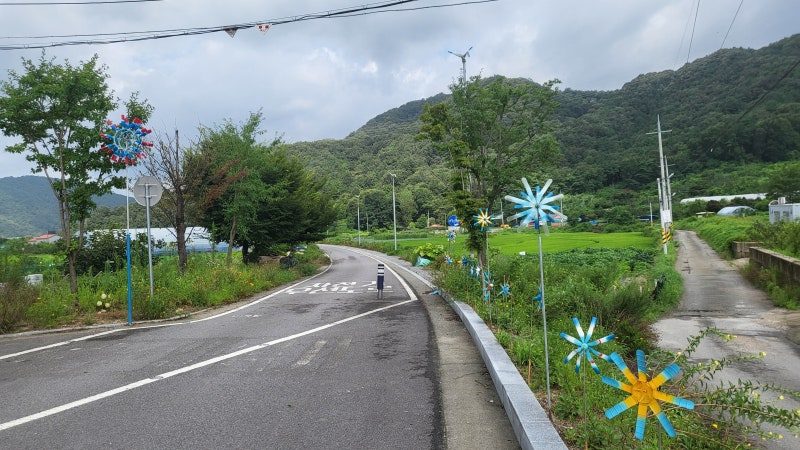
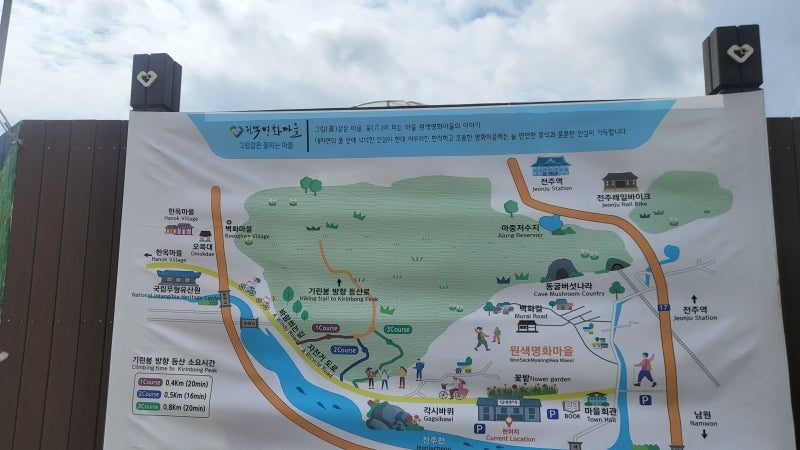
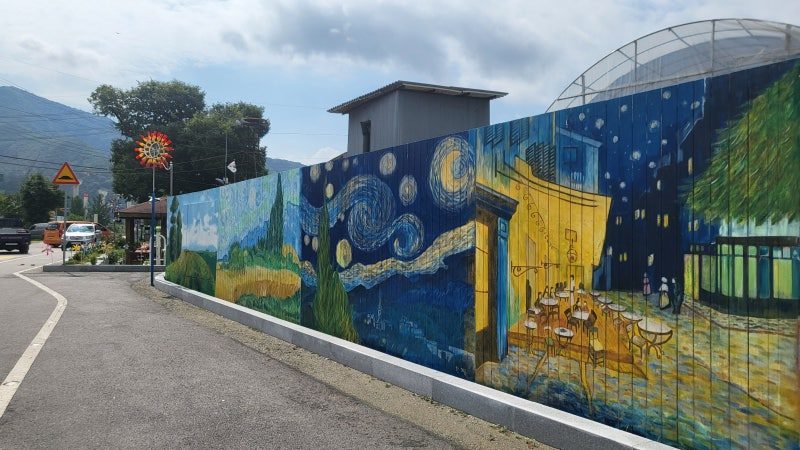
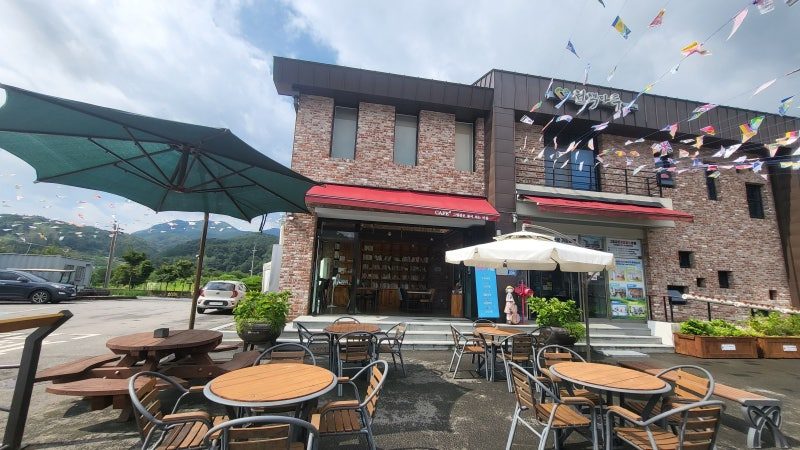
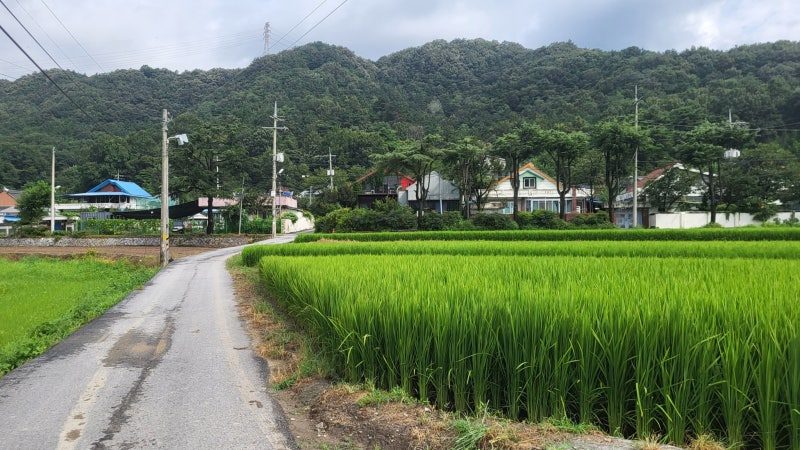
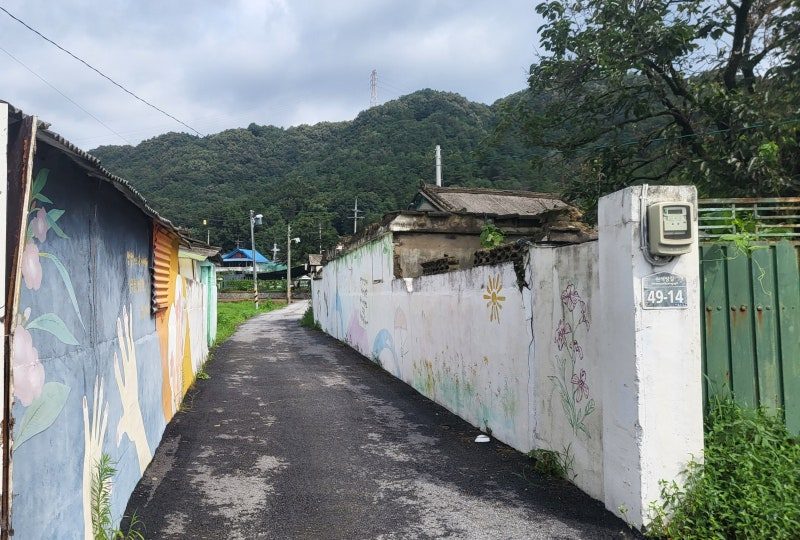
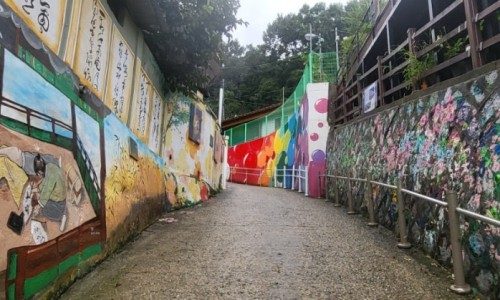
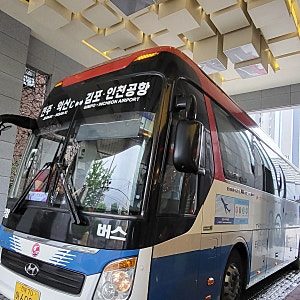
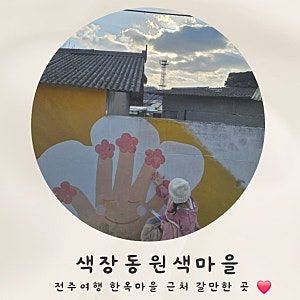
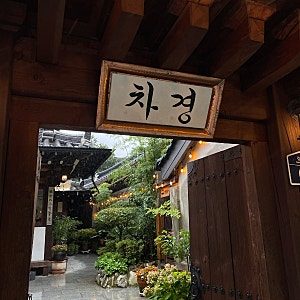
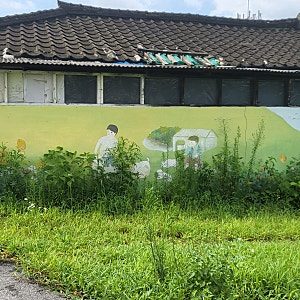
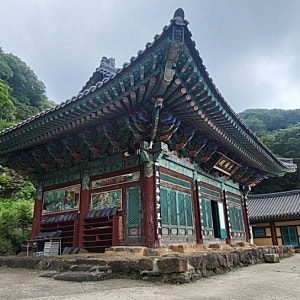
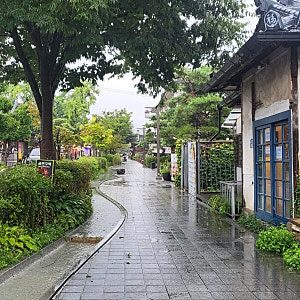
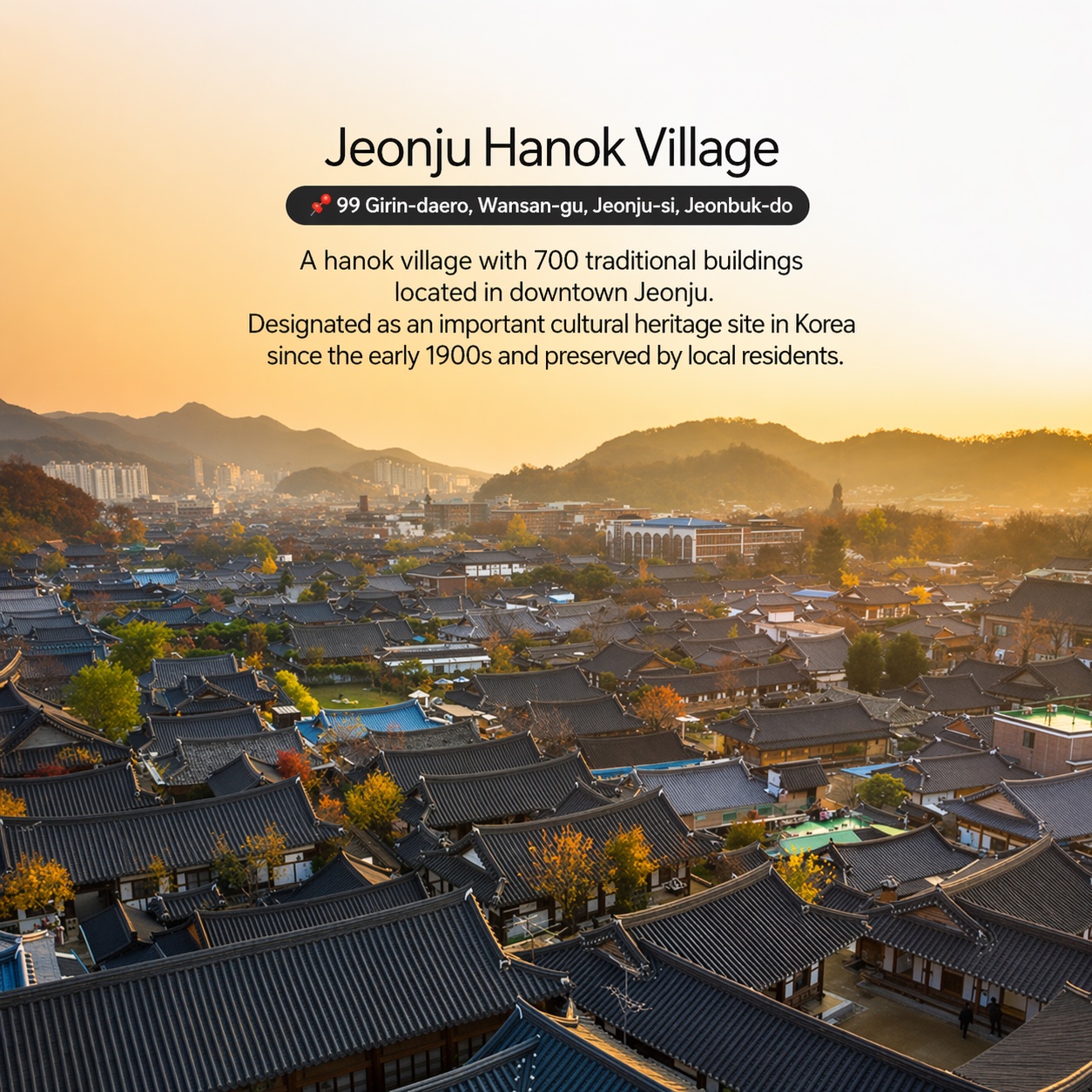
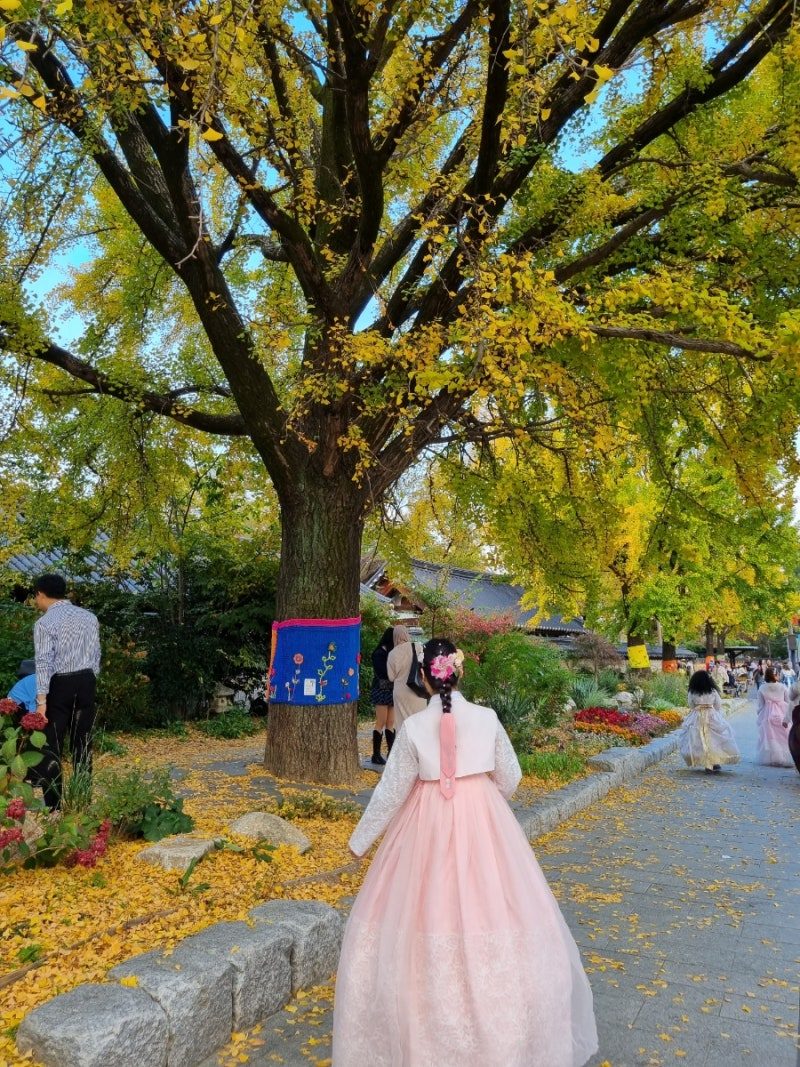
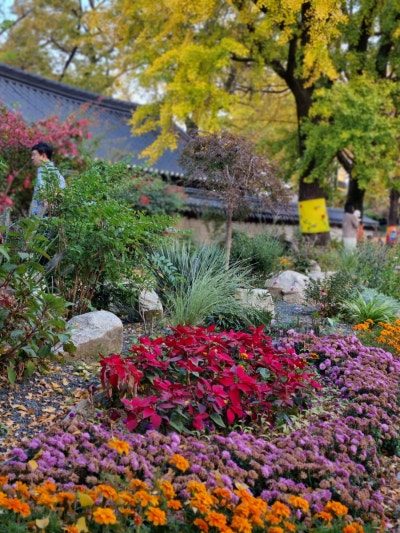
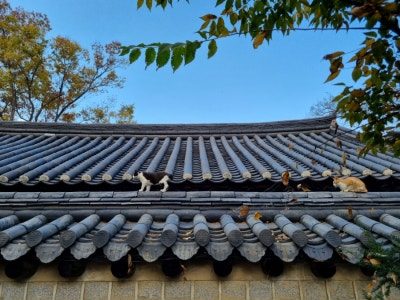
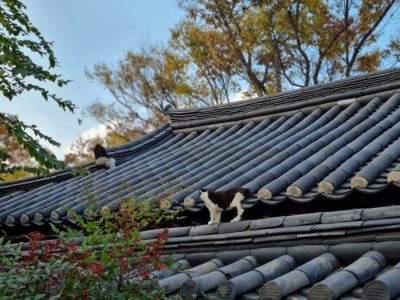
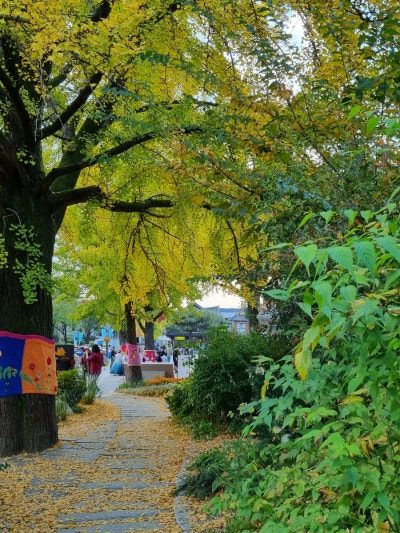
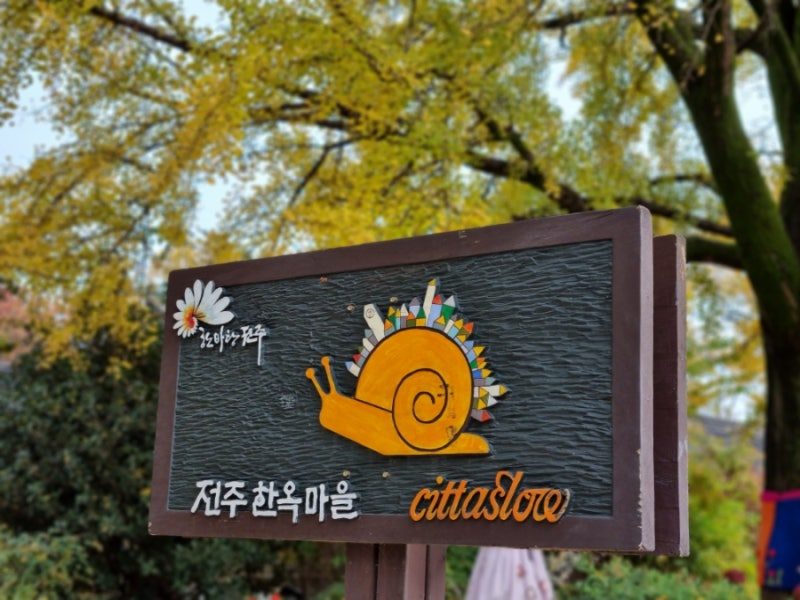
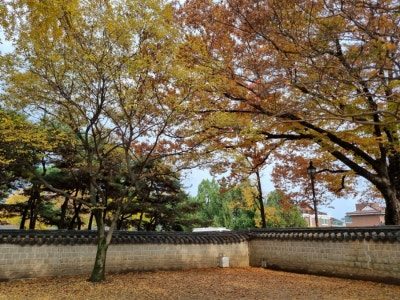
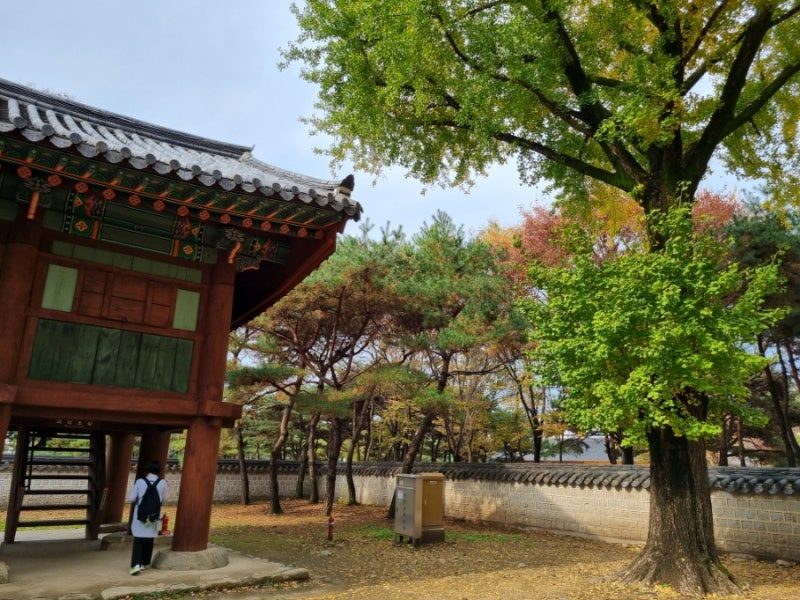
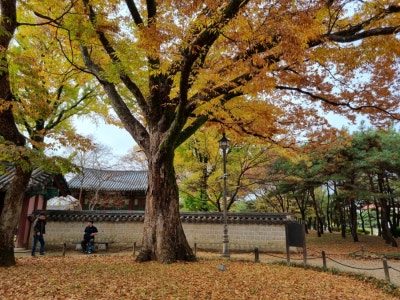
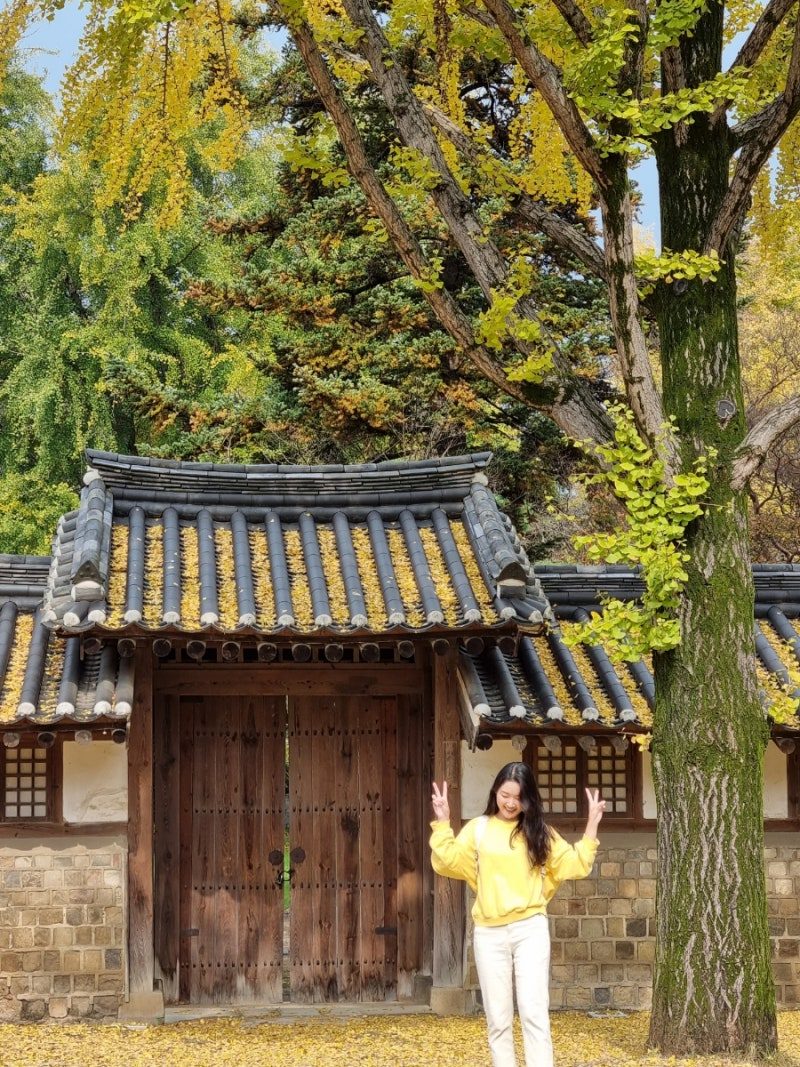
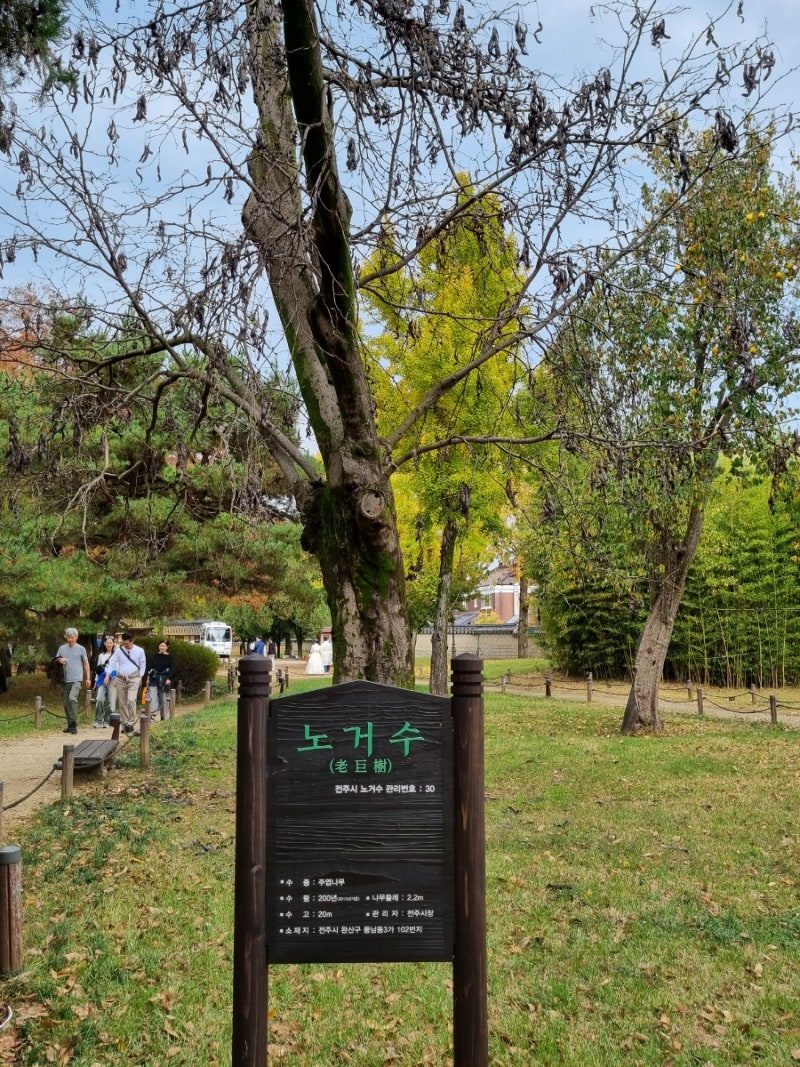
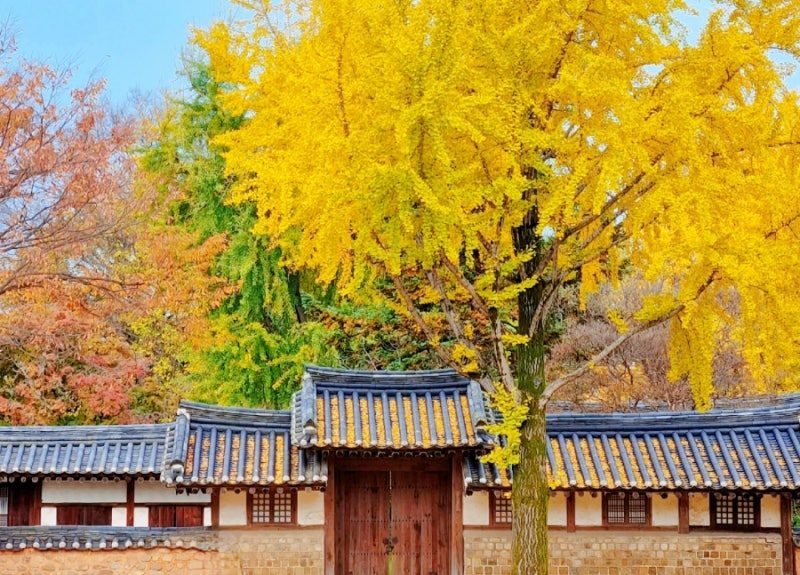
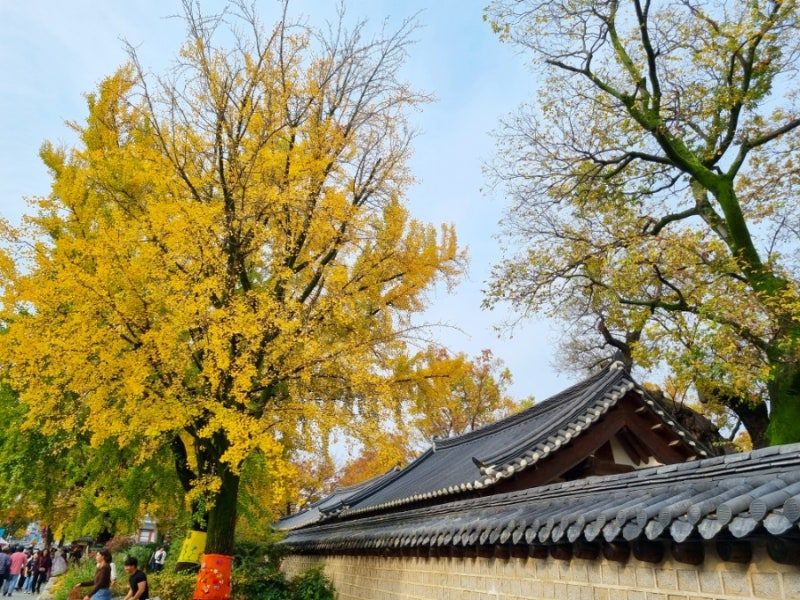
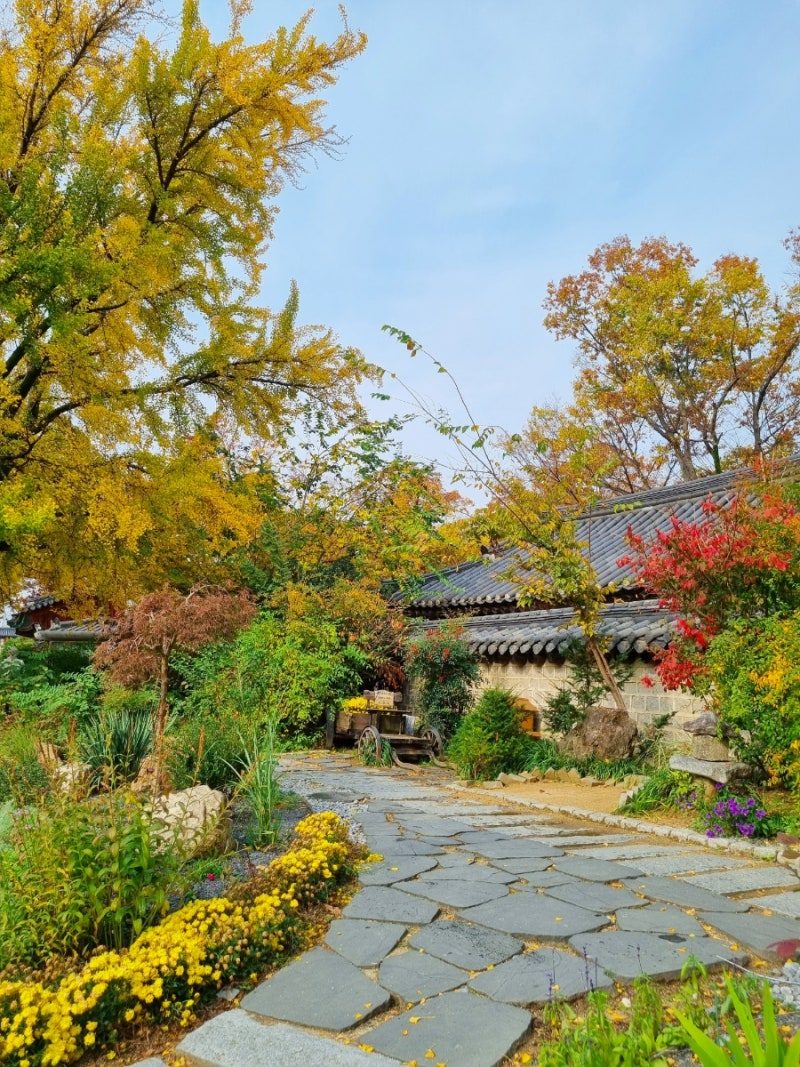
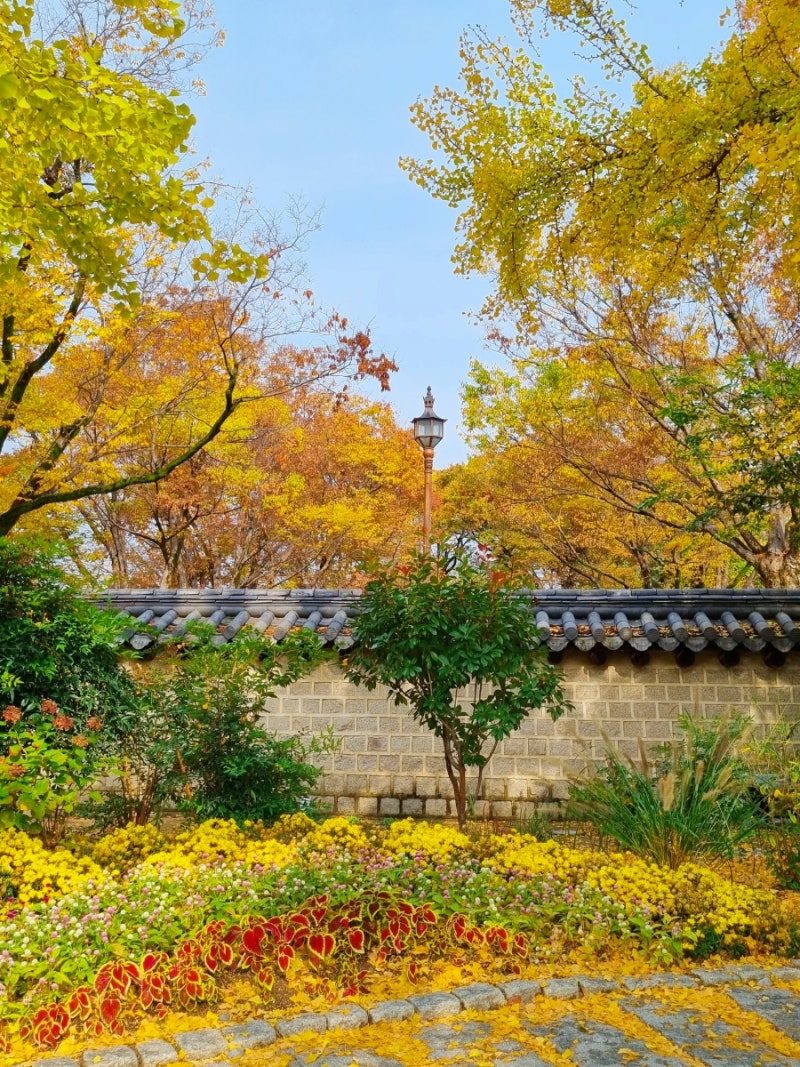
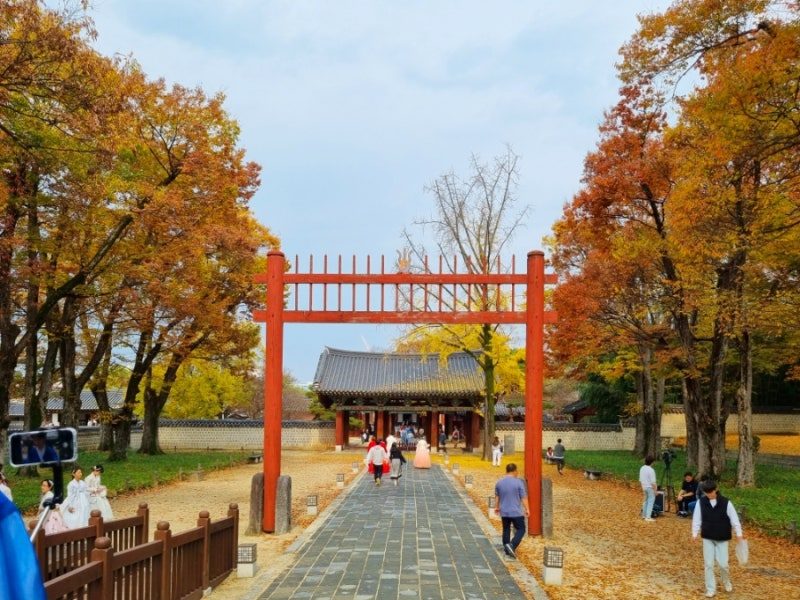
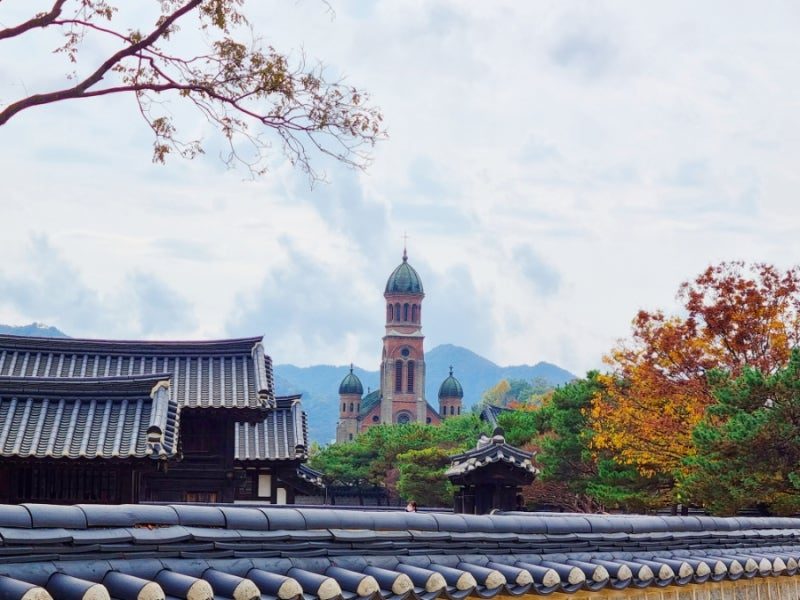
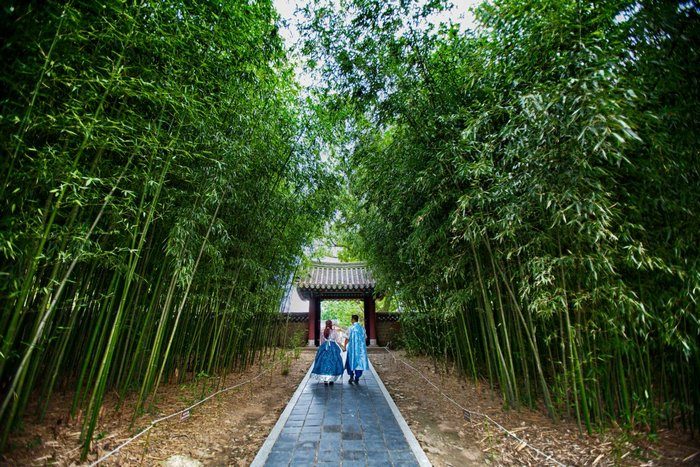
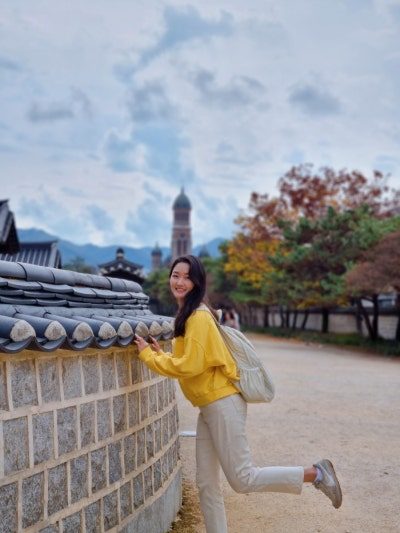
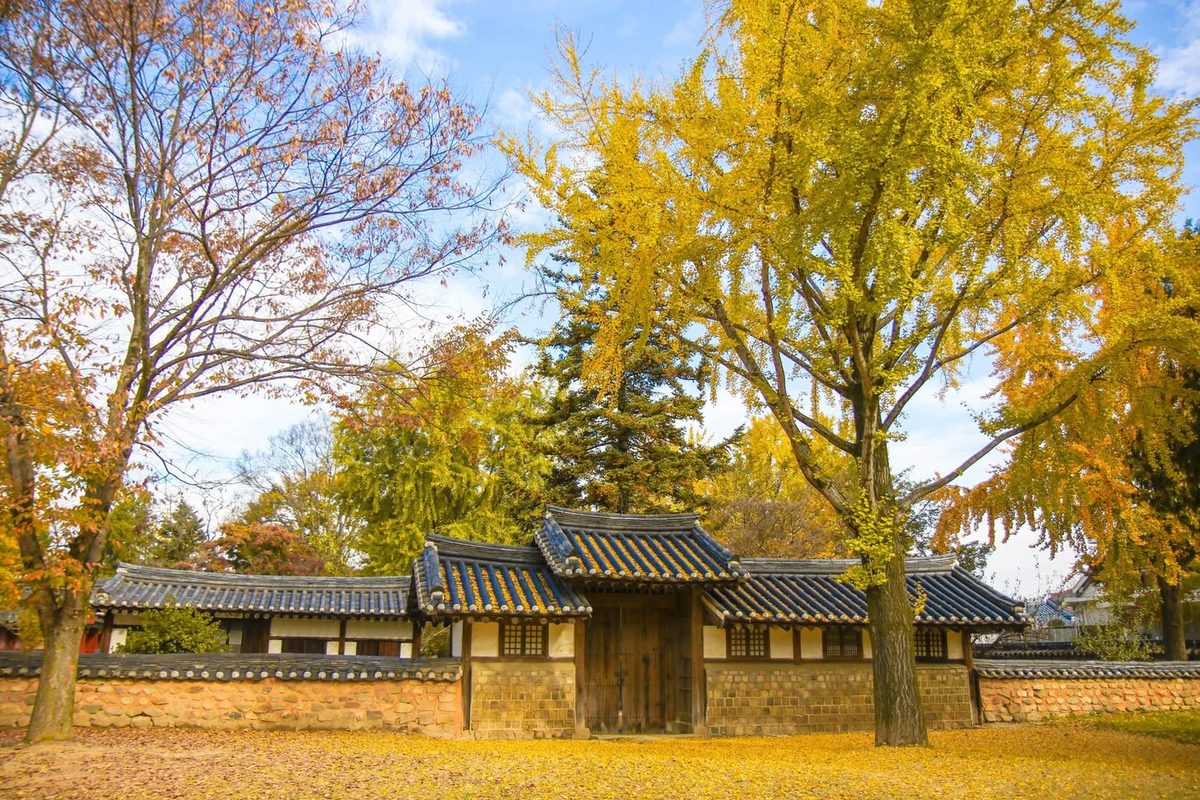
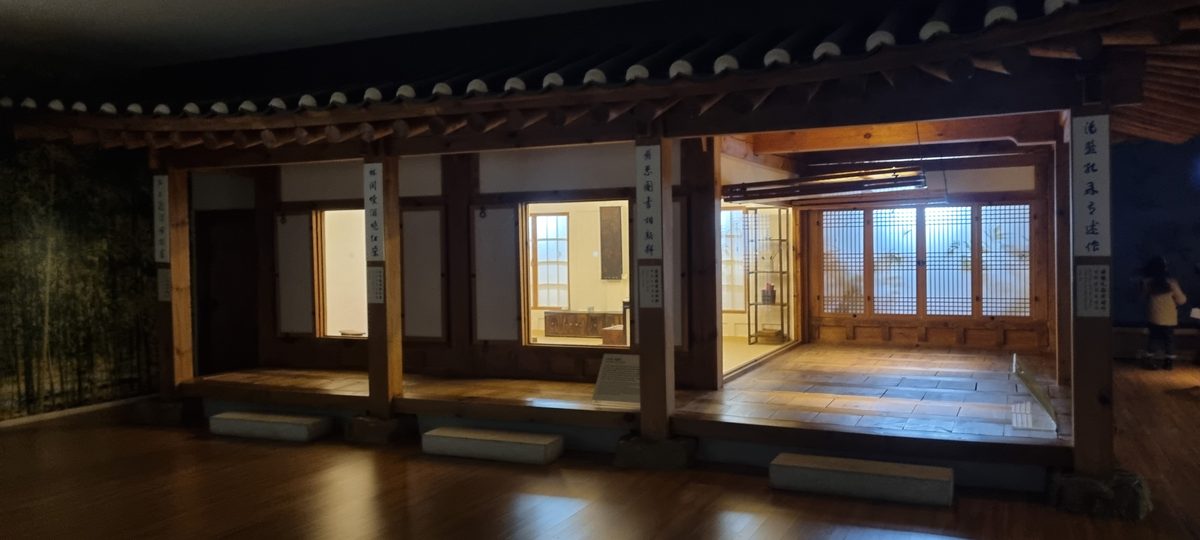
Over 700 traditional hanok houses preserved in the heart of Jeonju — the largest collection of traditional Korean architecture in the country. Wander the alleyways, sample Jeonju bibimbap, and browse traditional craft shops.
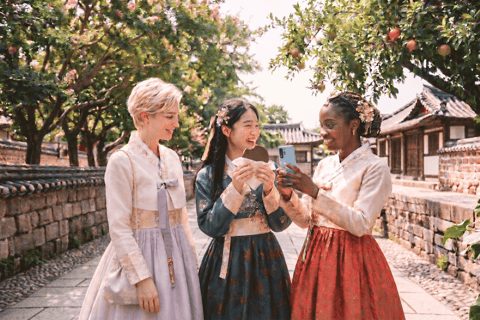
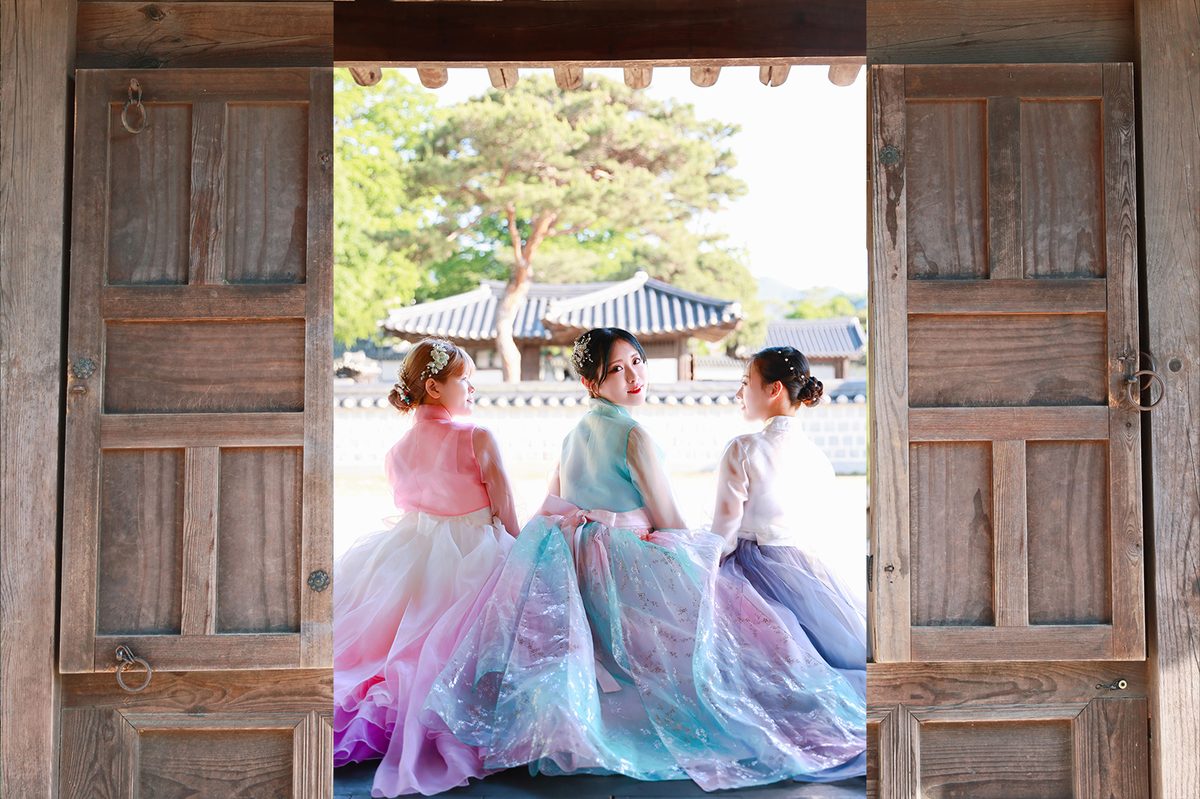
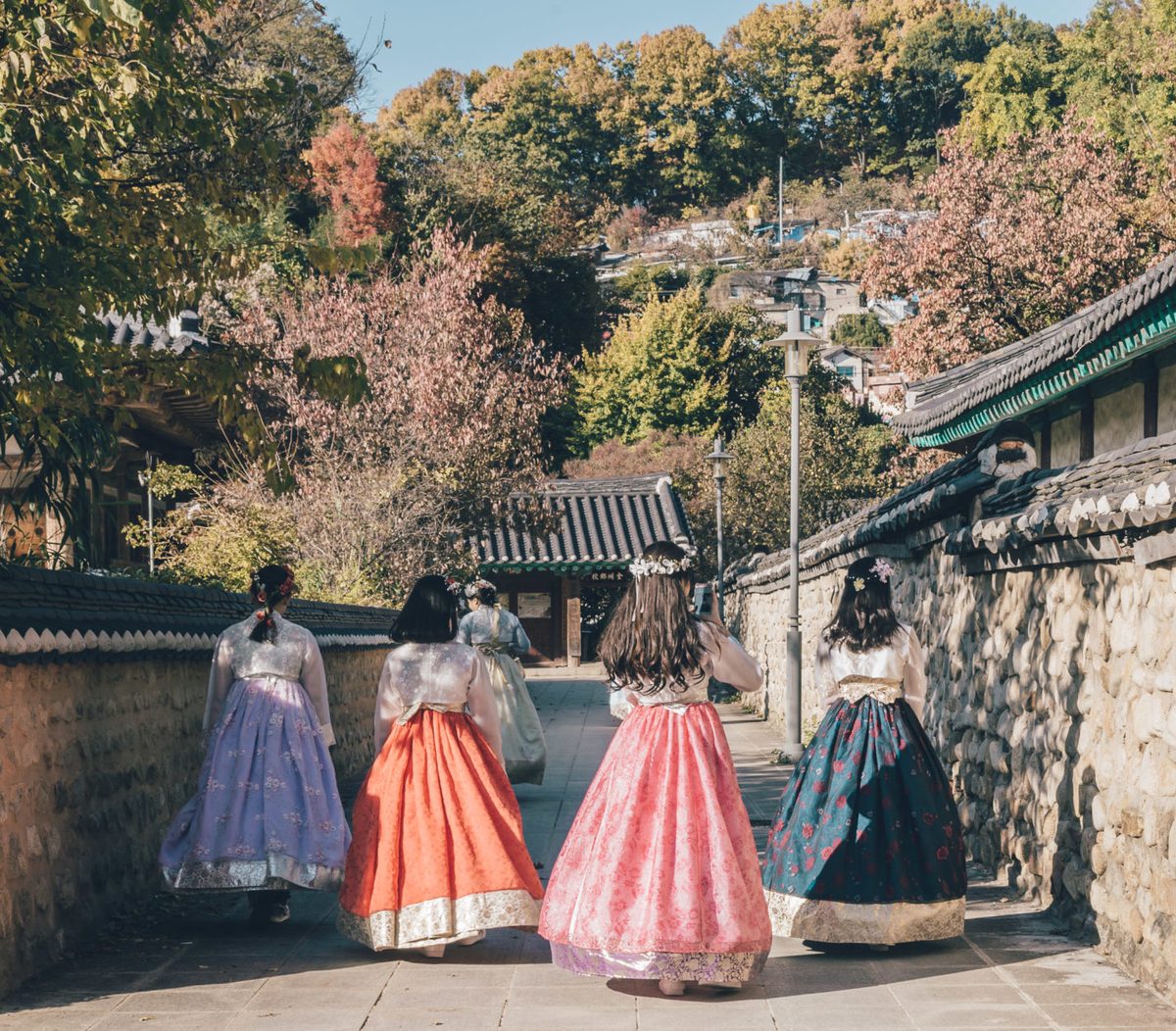
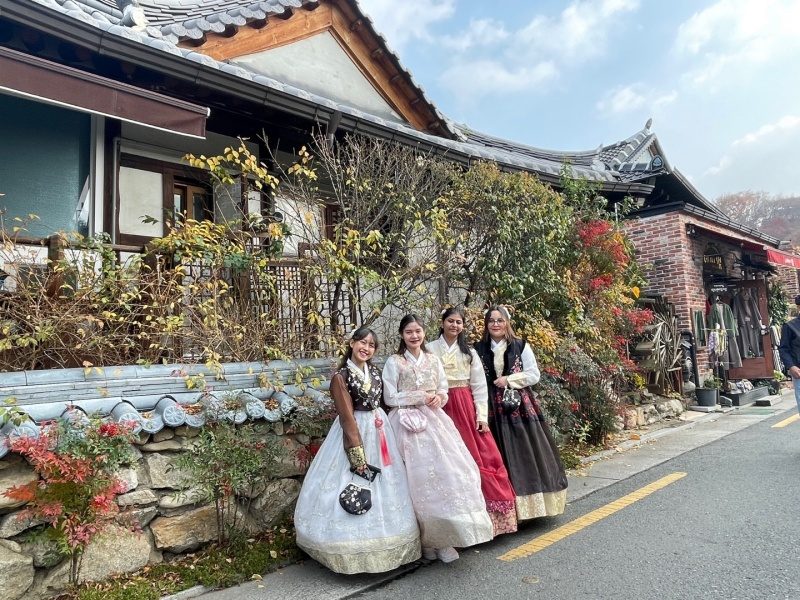
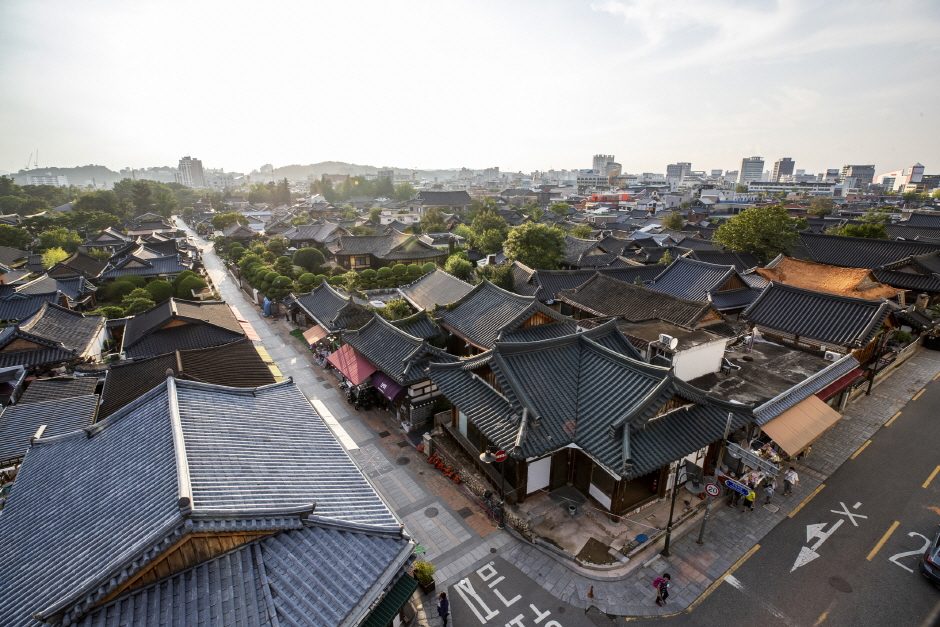
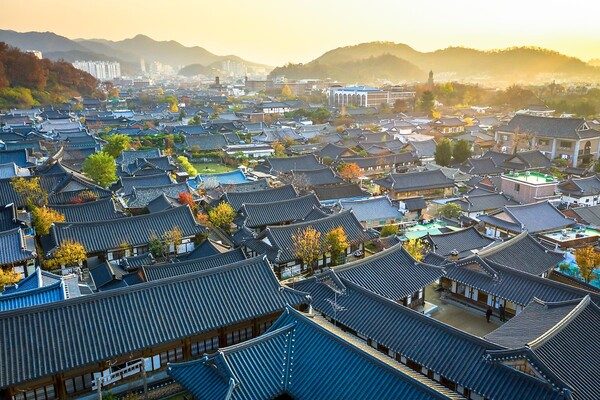
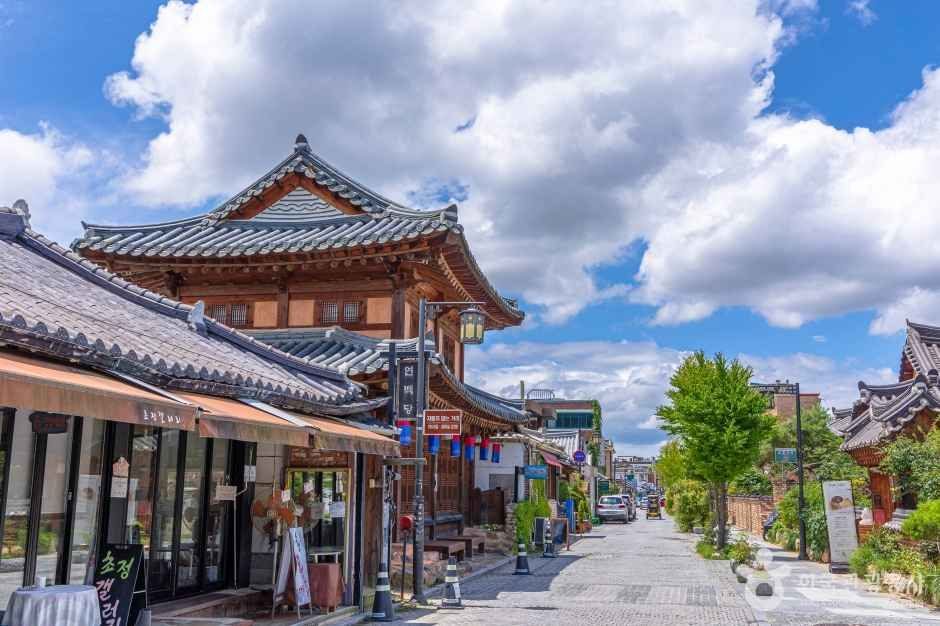
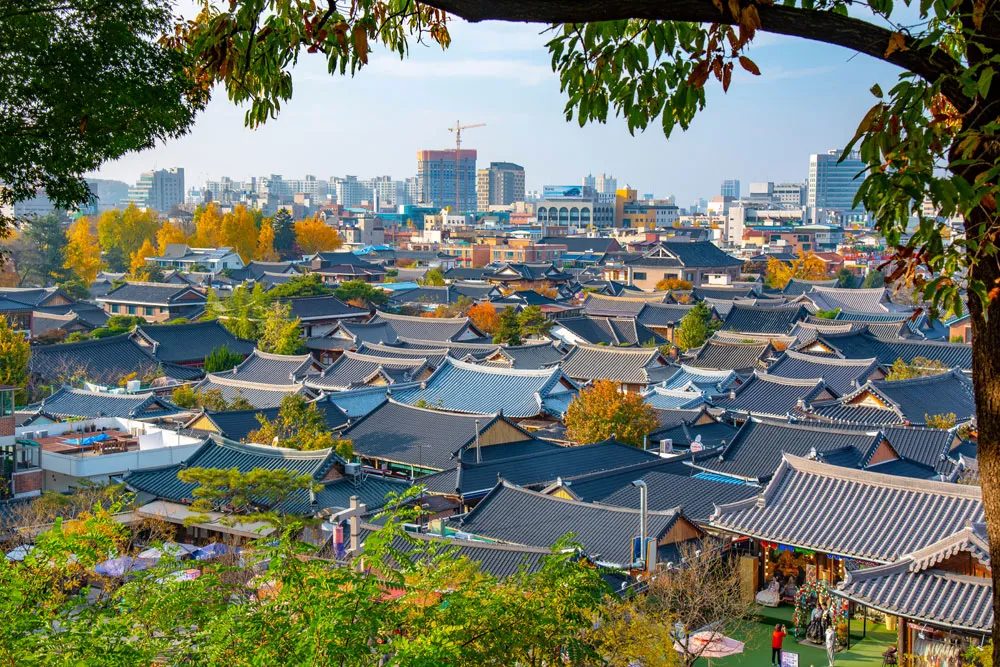
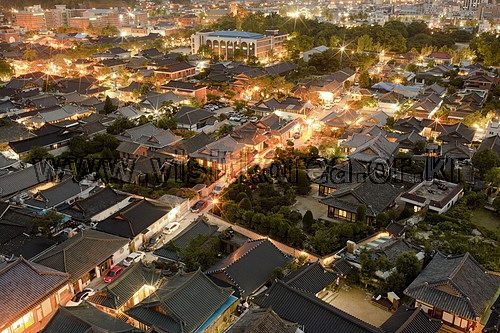
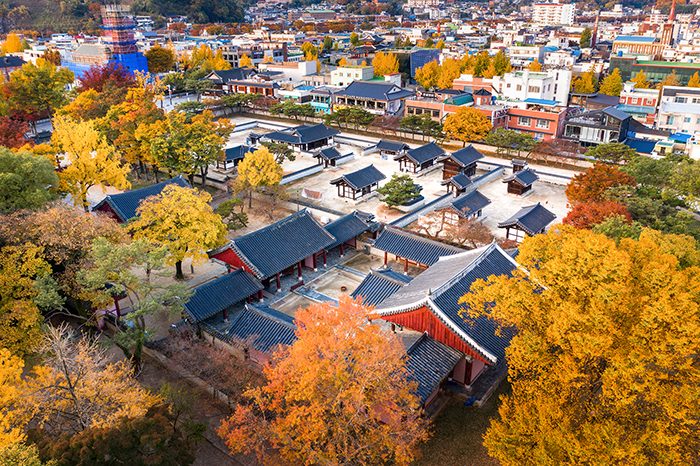
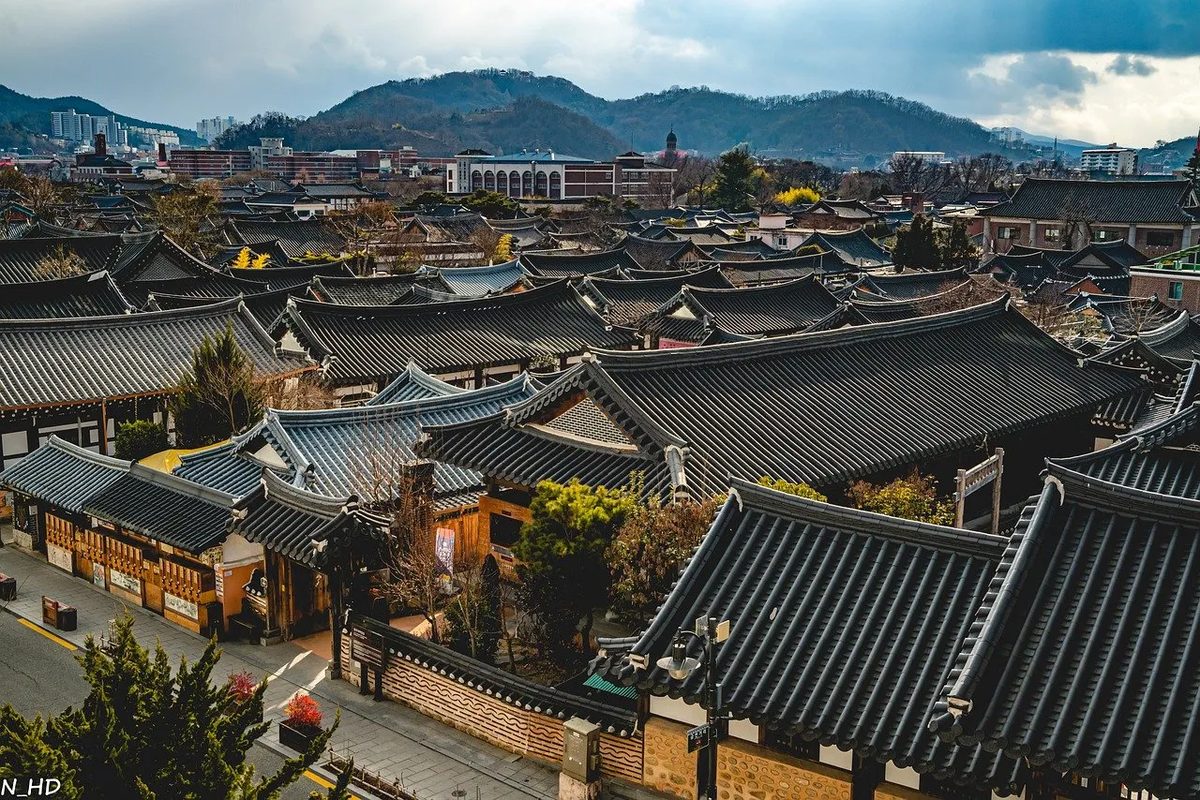
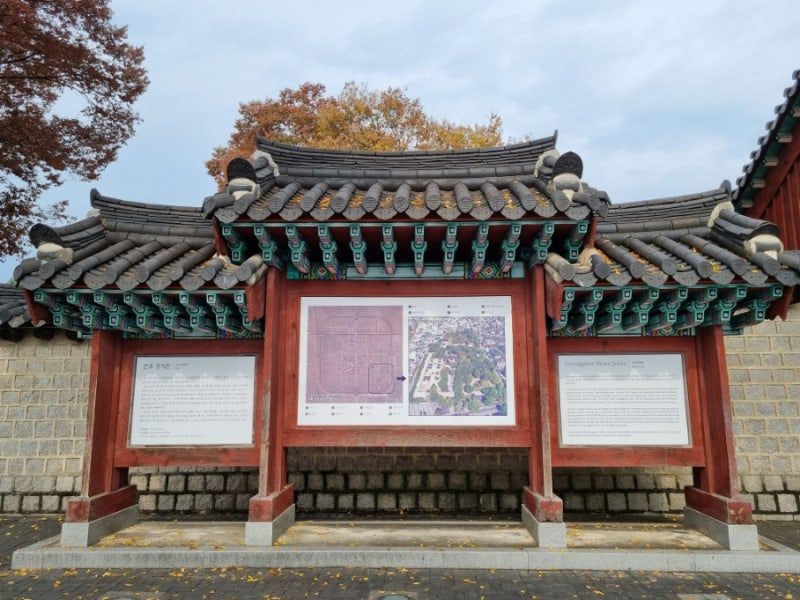
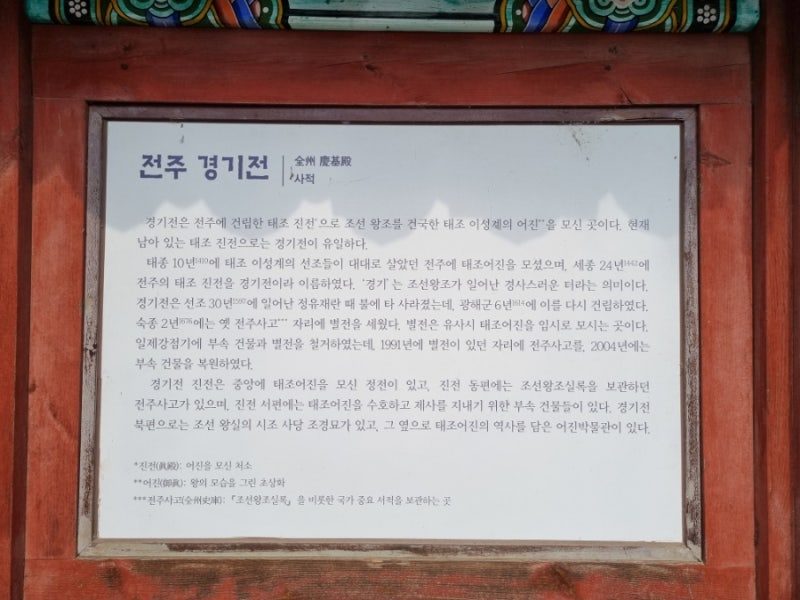
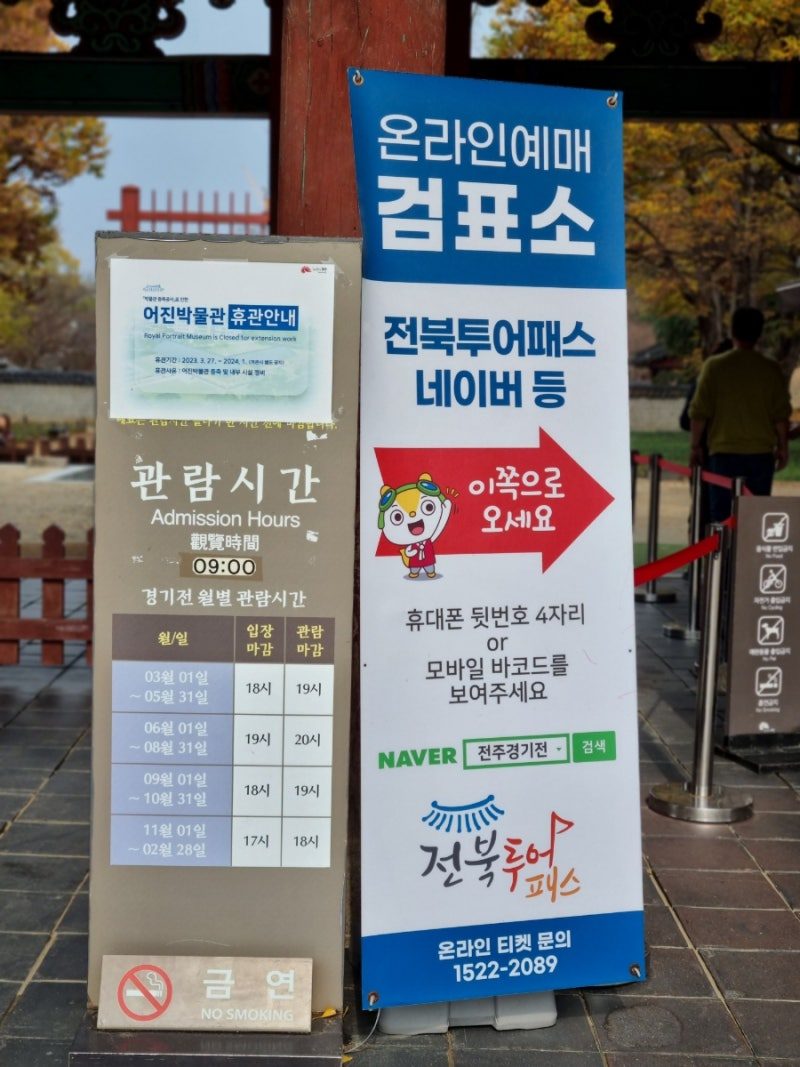
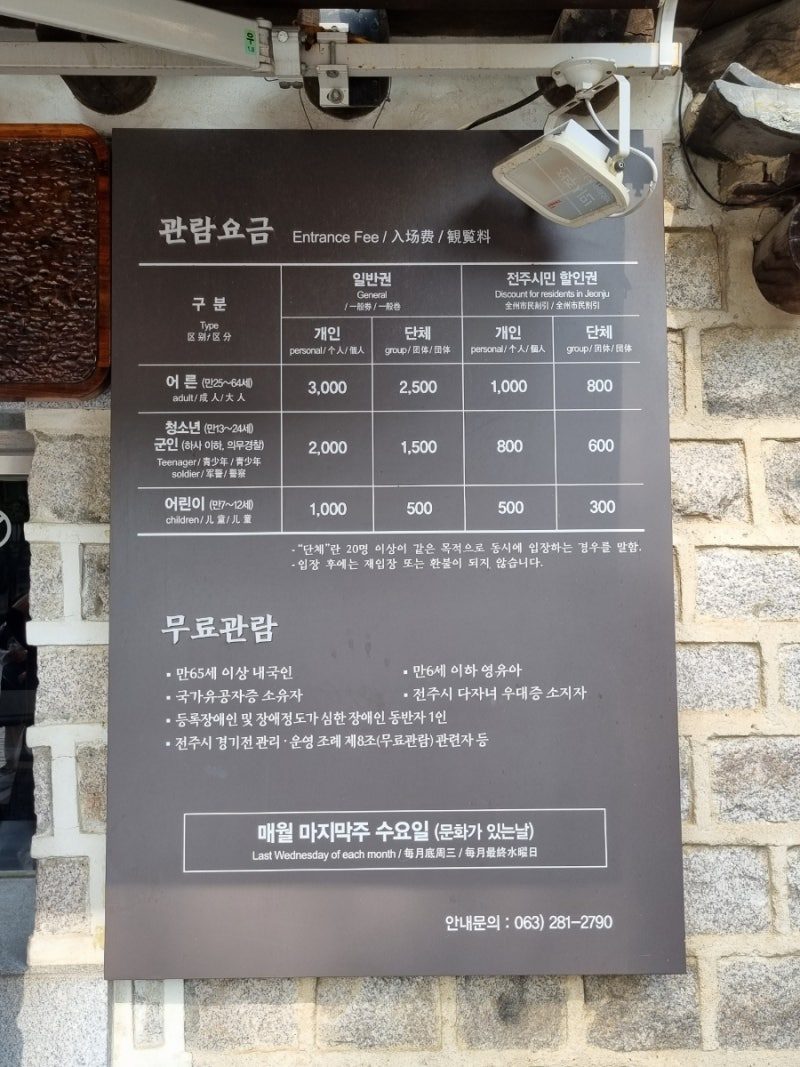
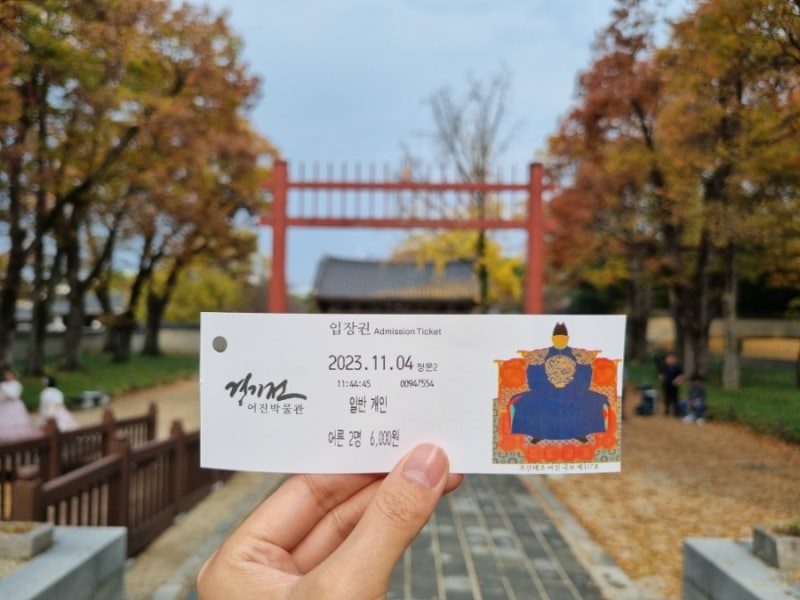
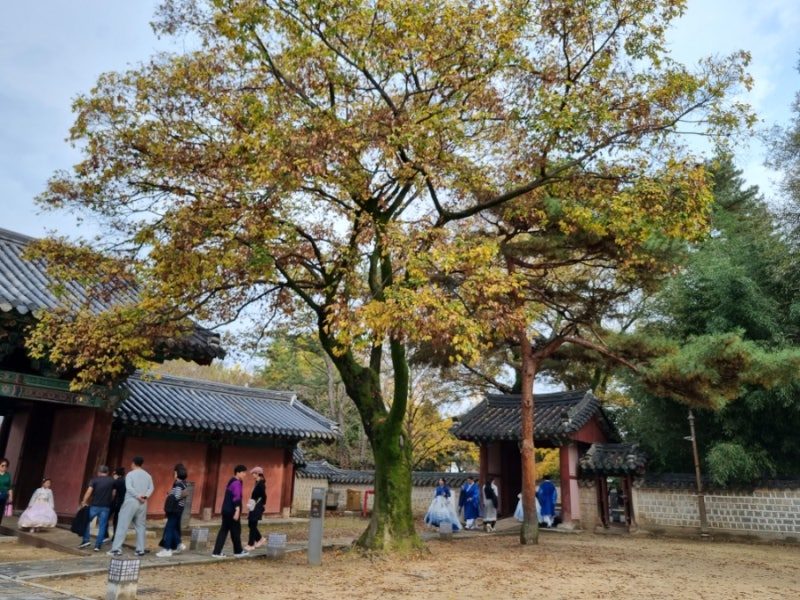
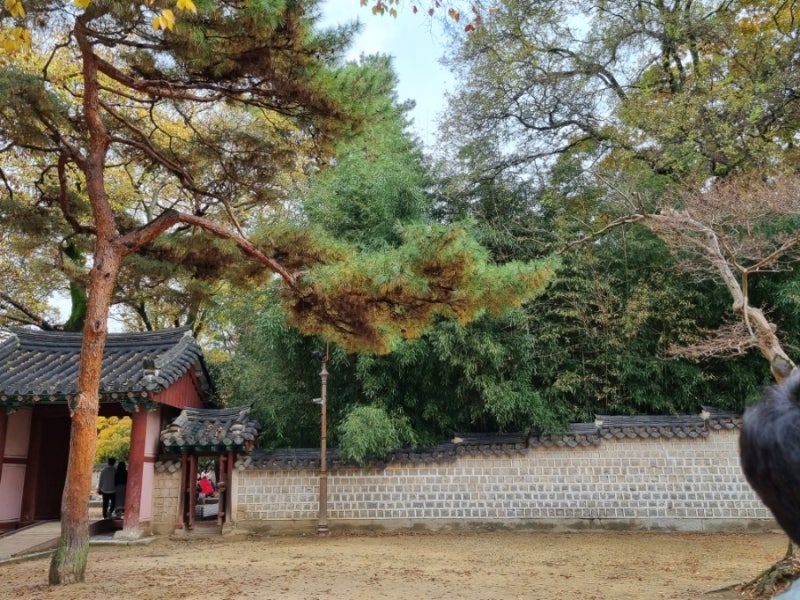
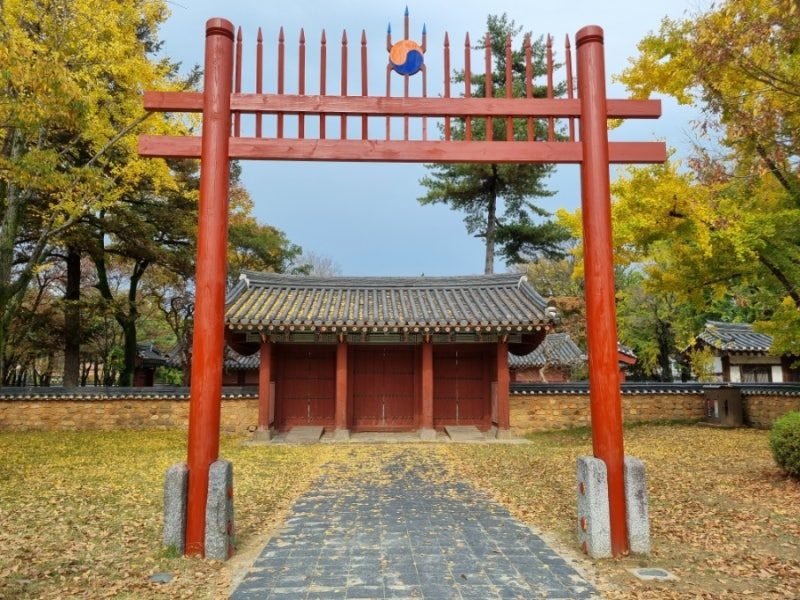
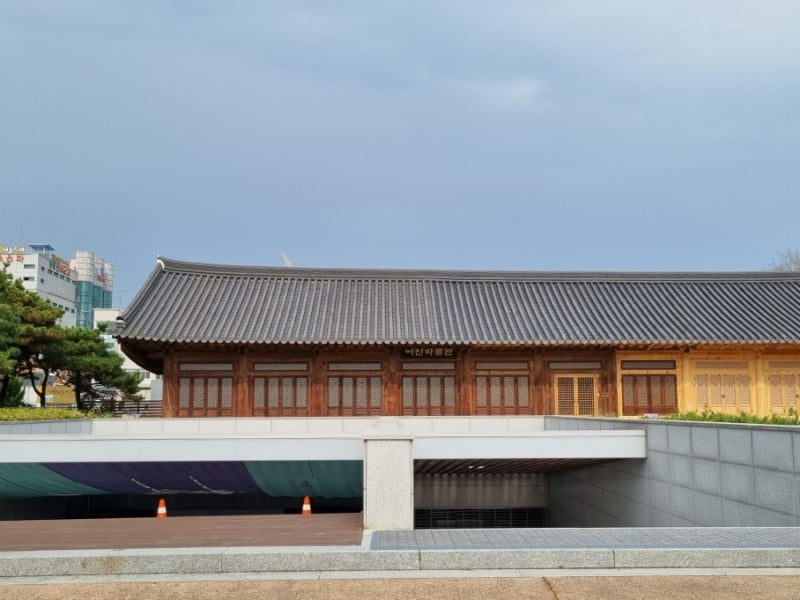
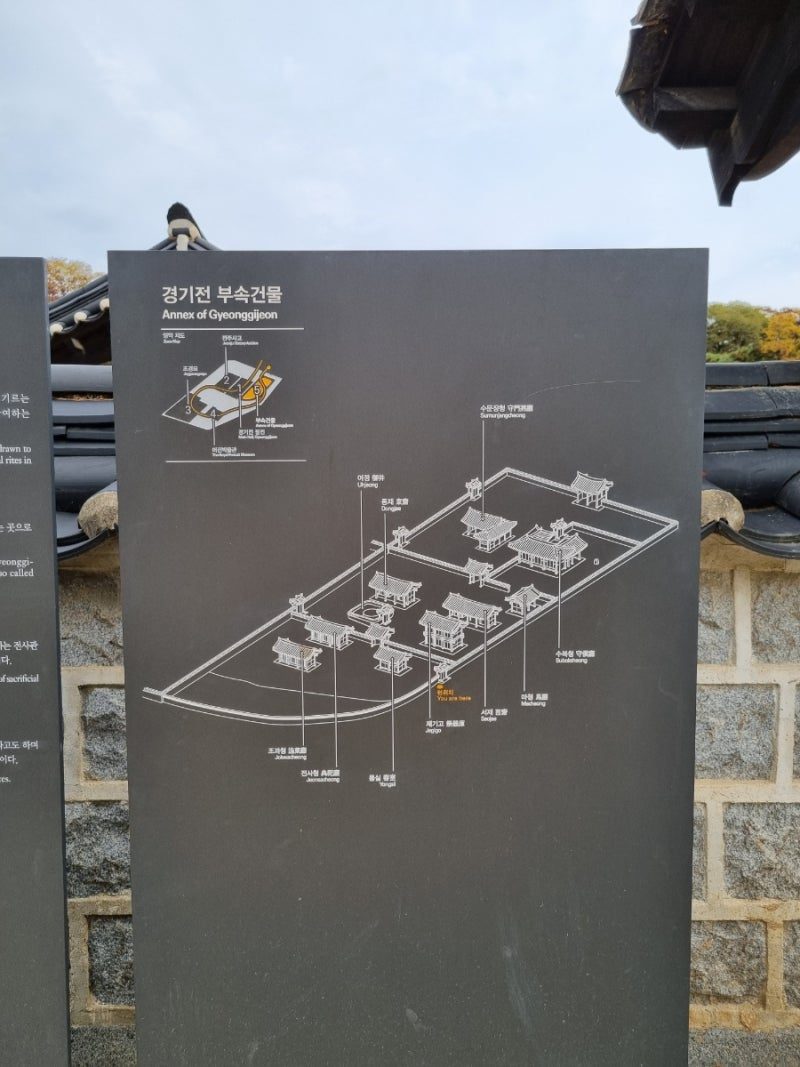
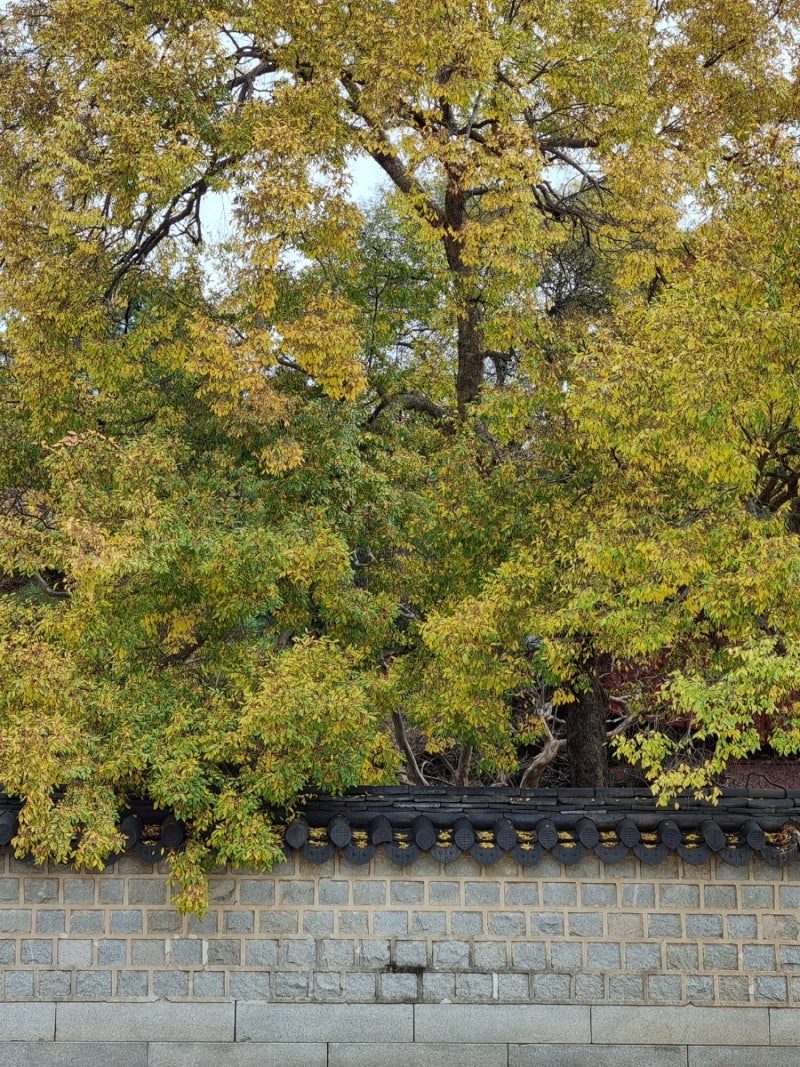
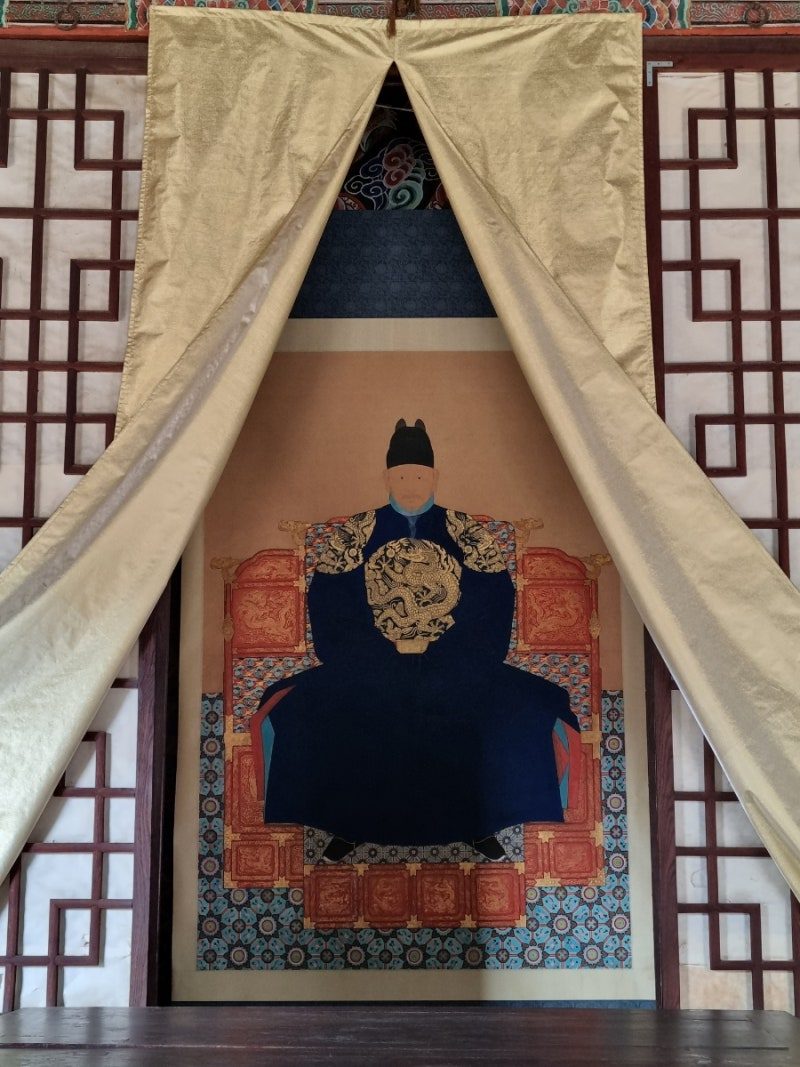
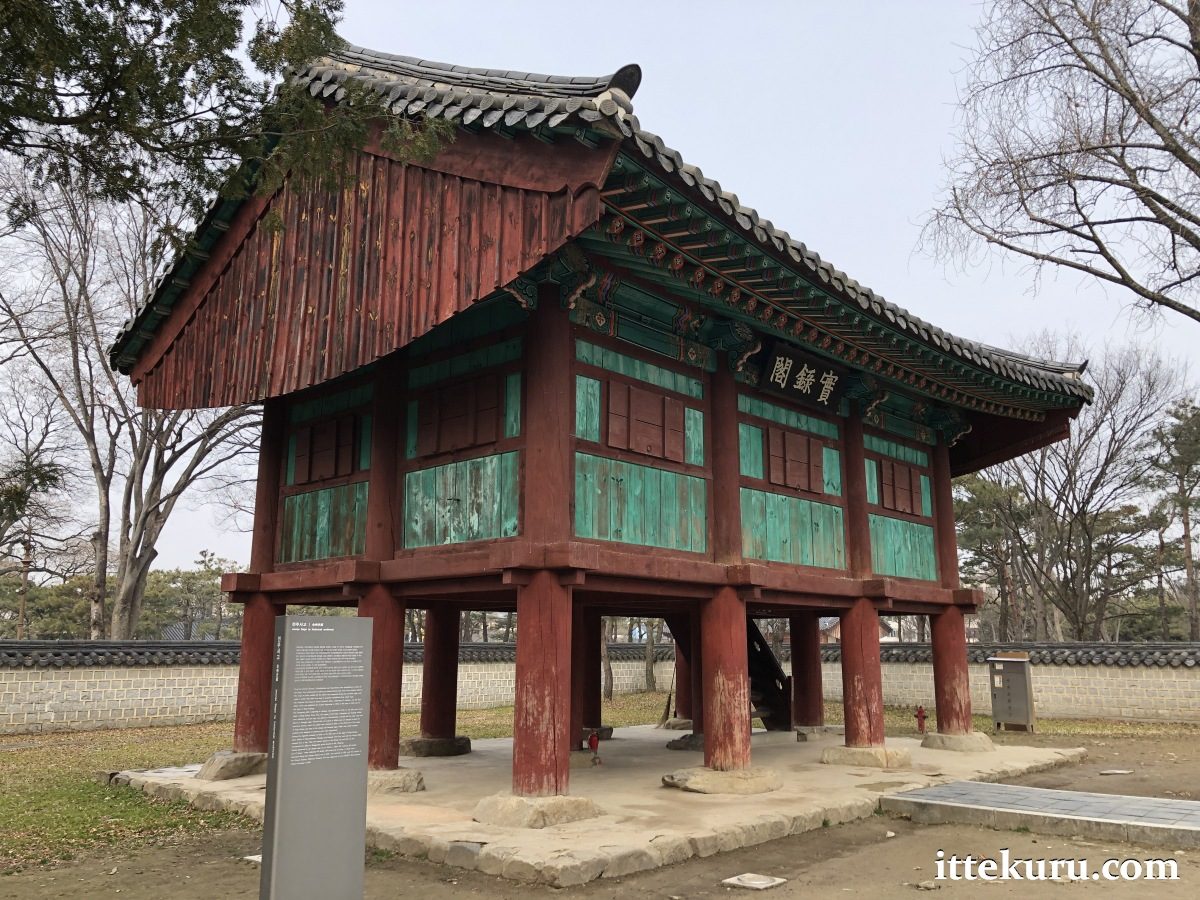
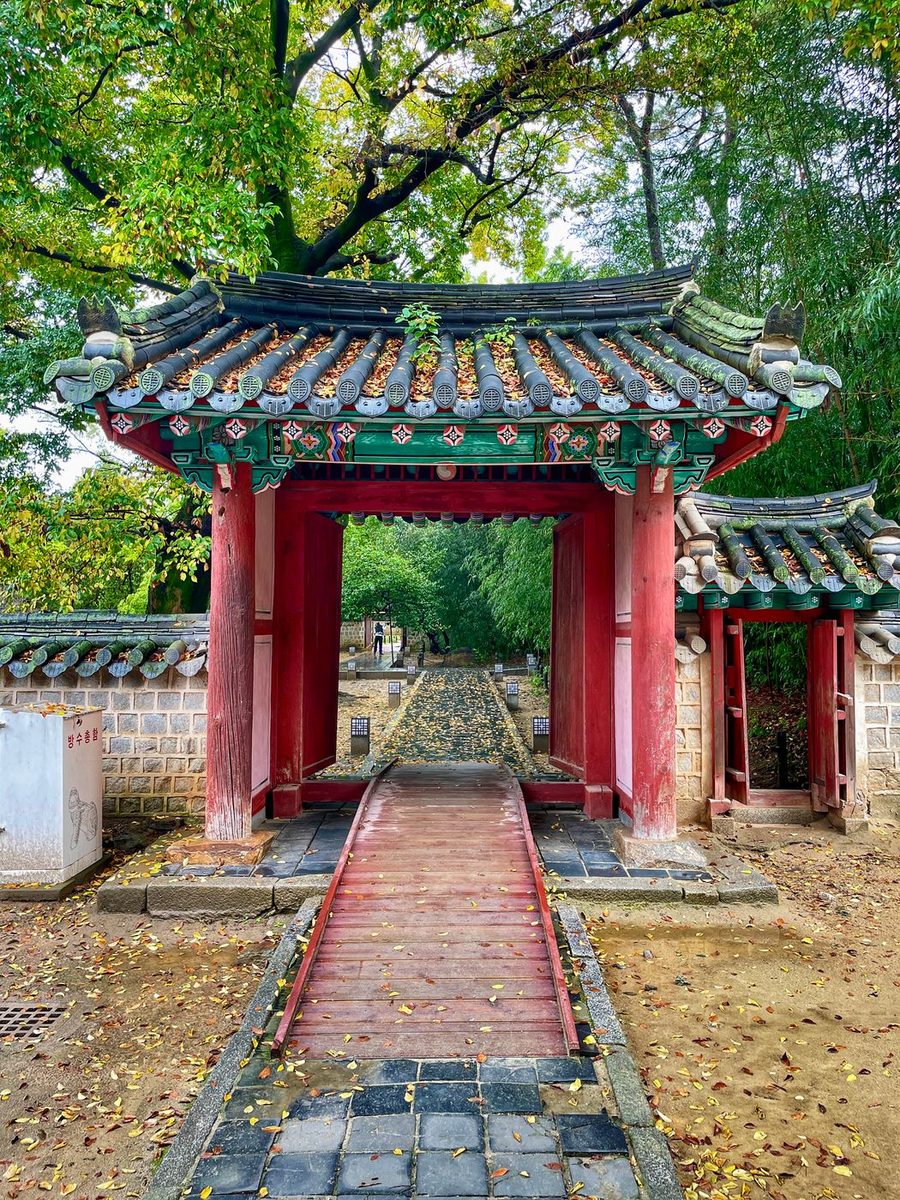
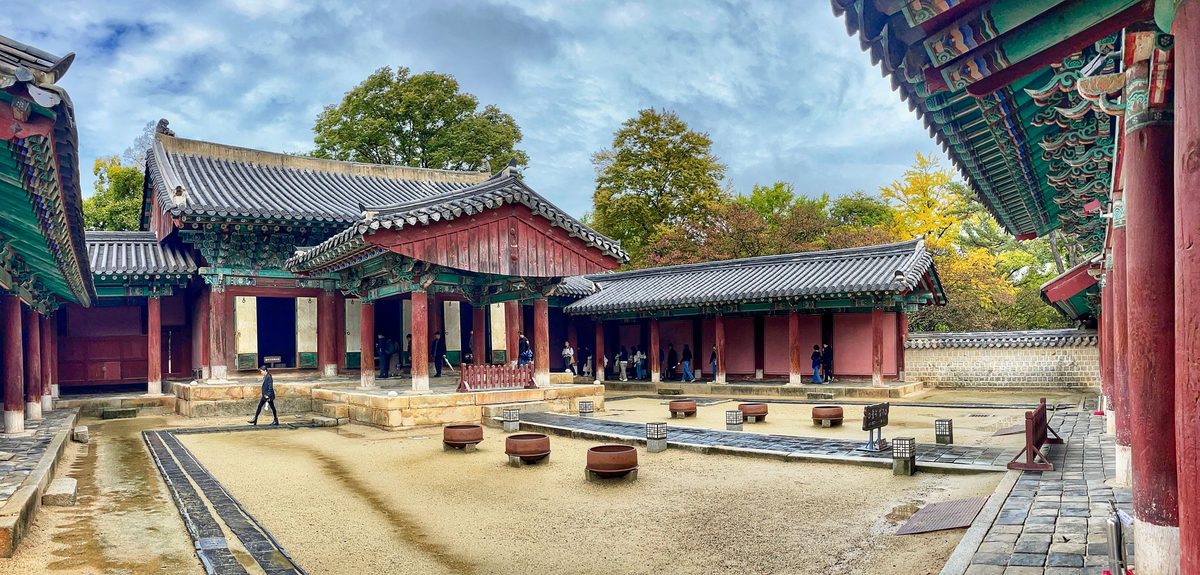
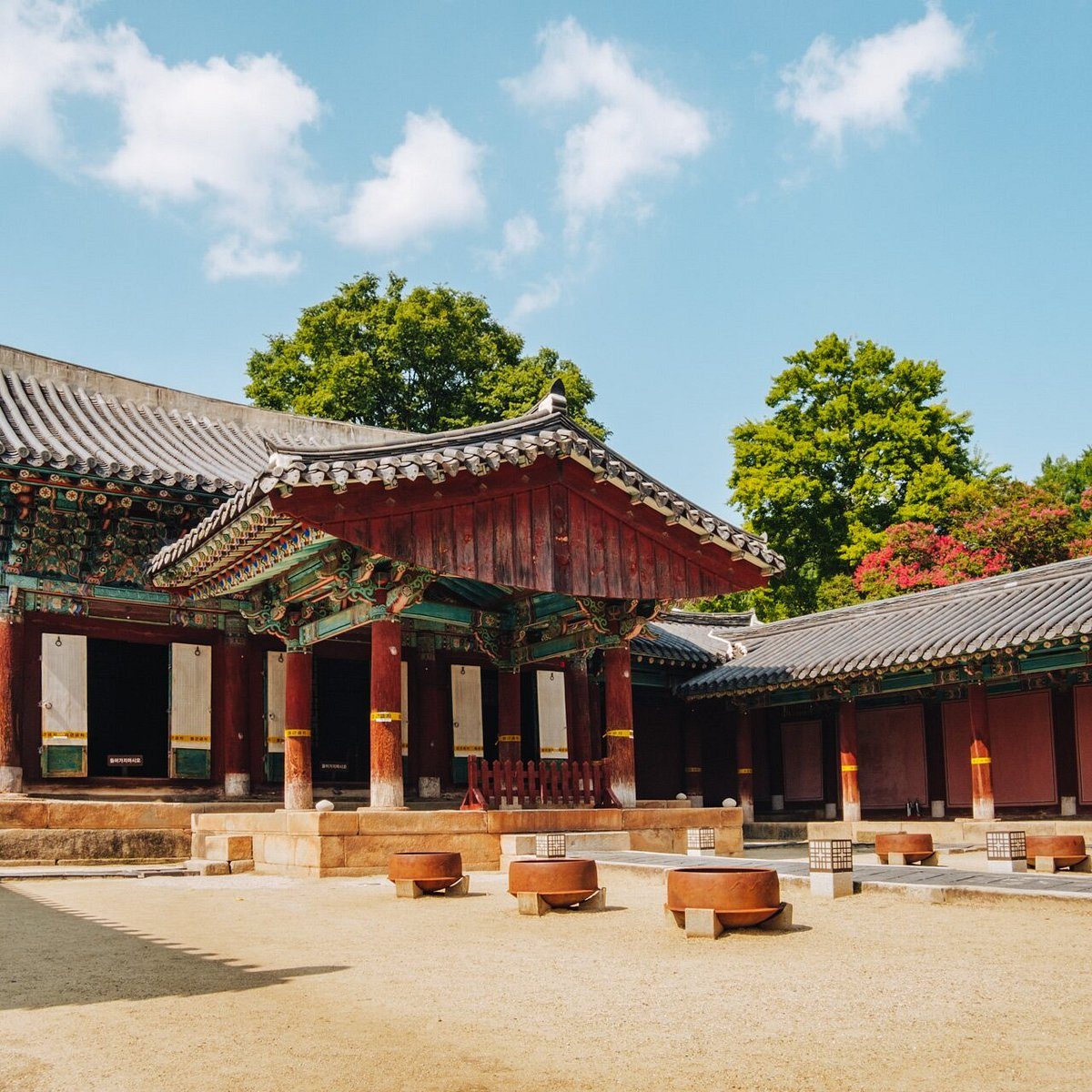
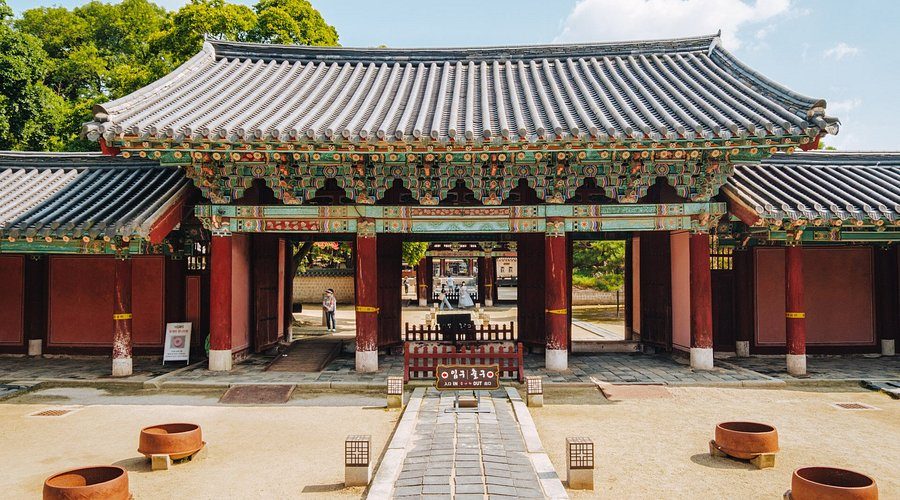
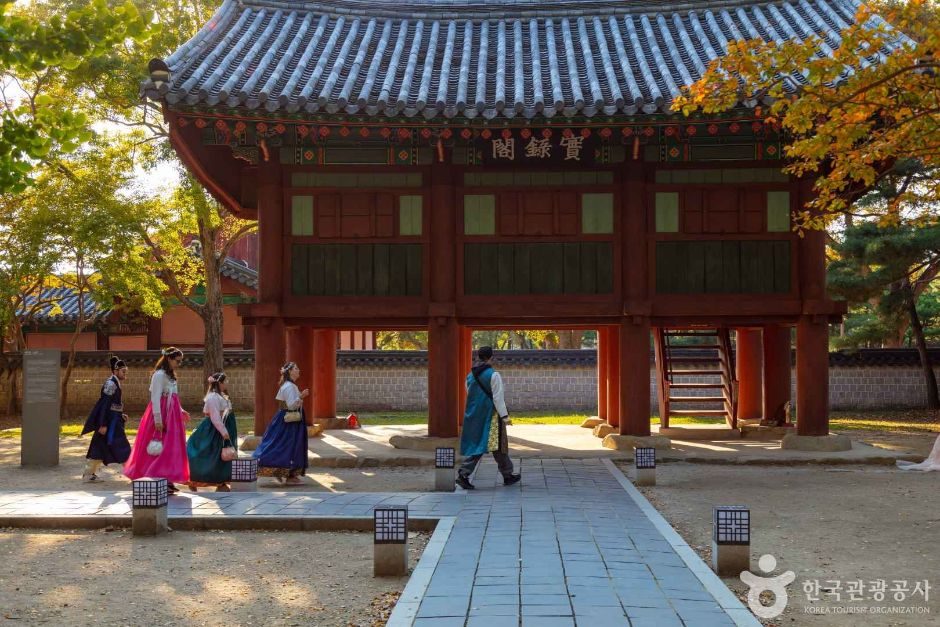
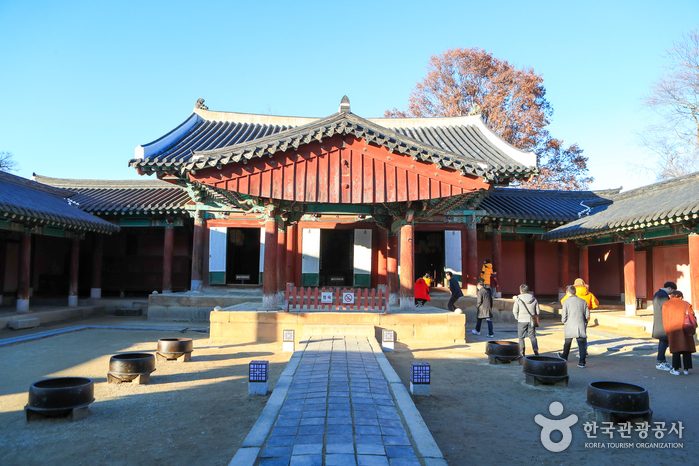
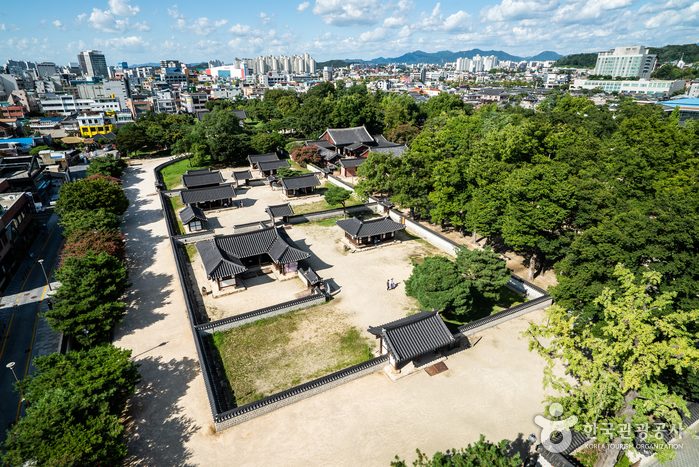
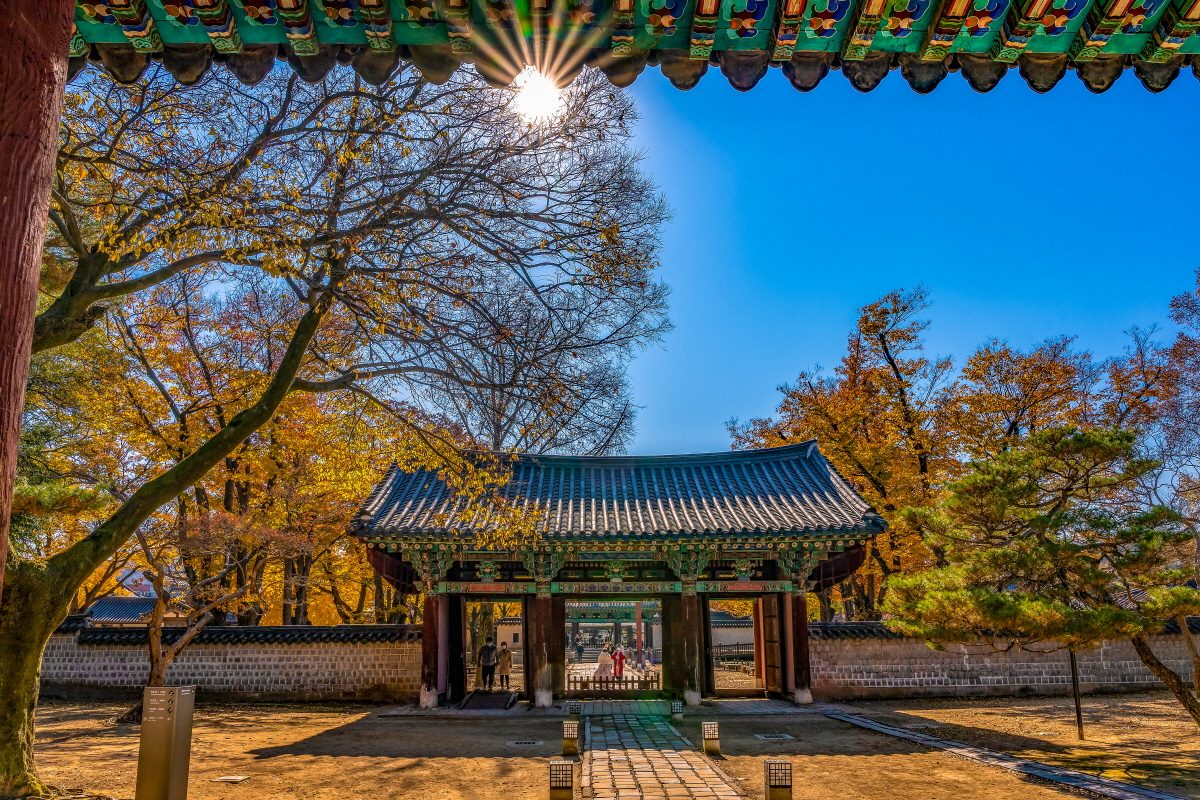
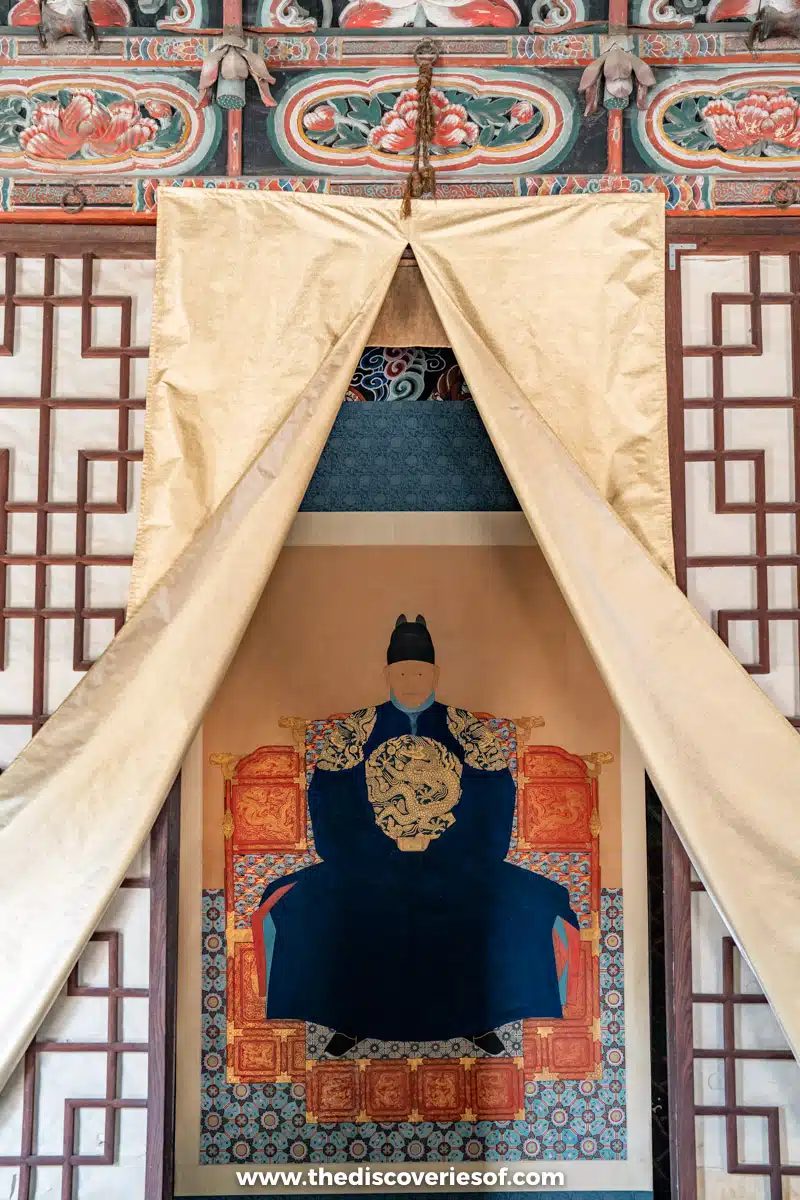
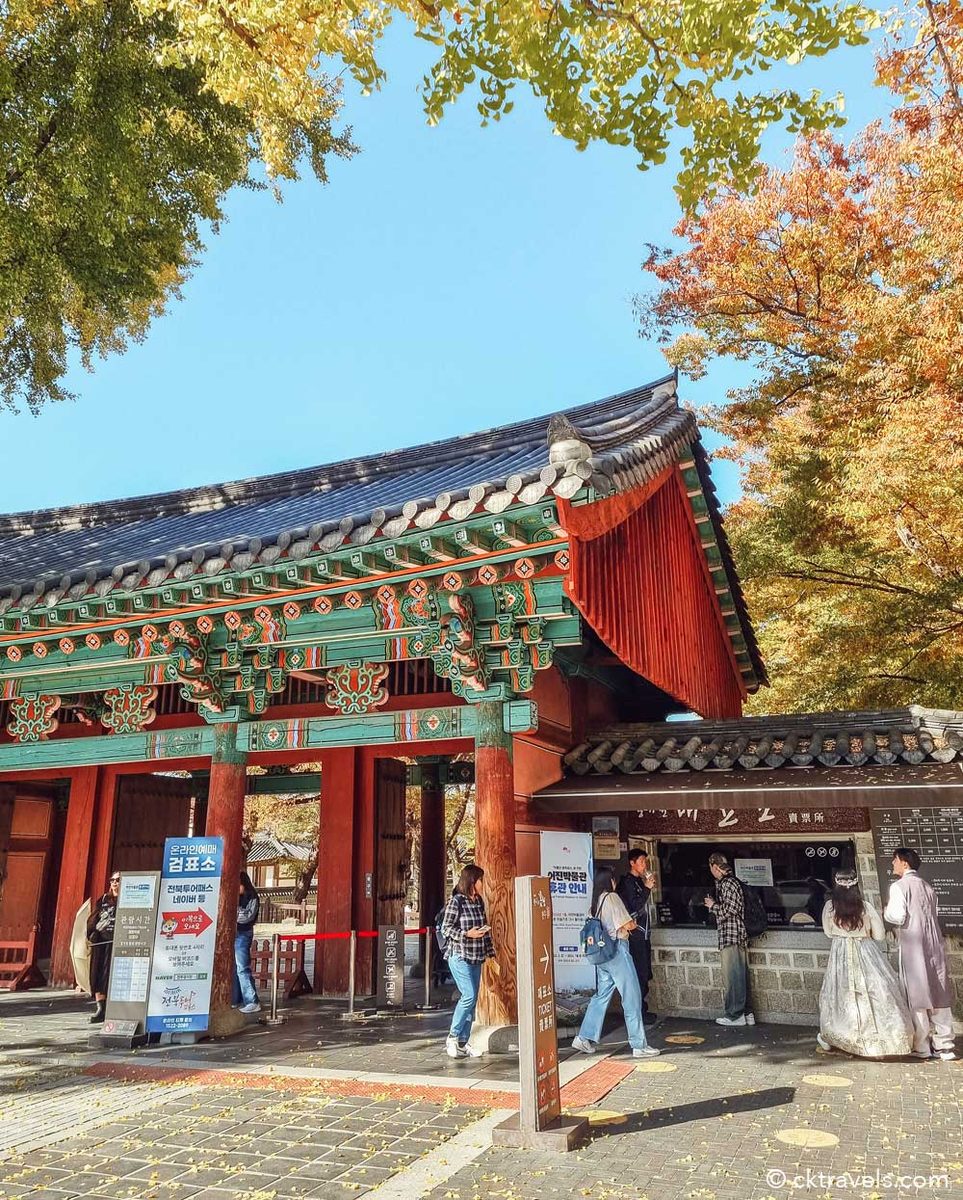
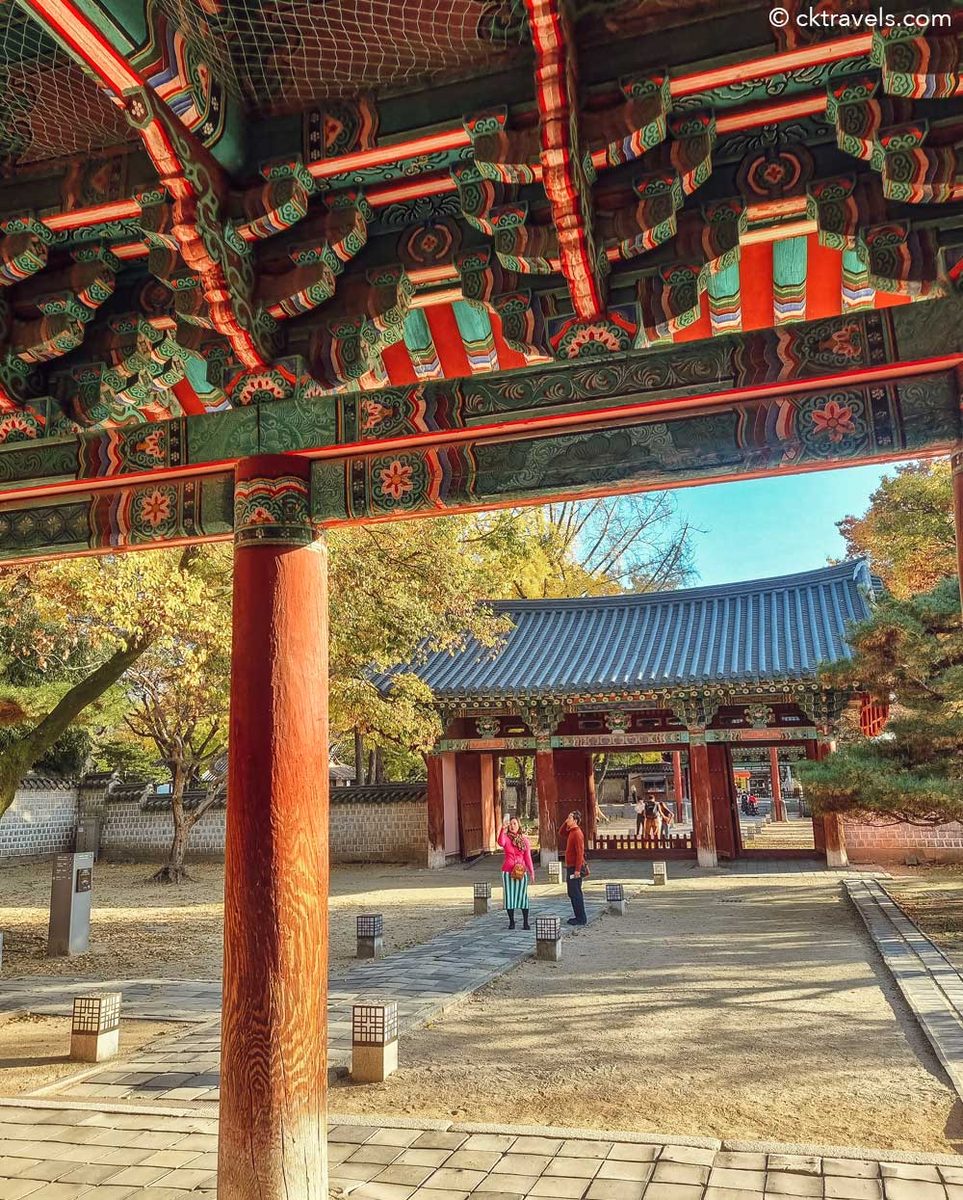
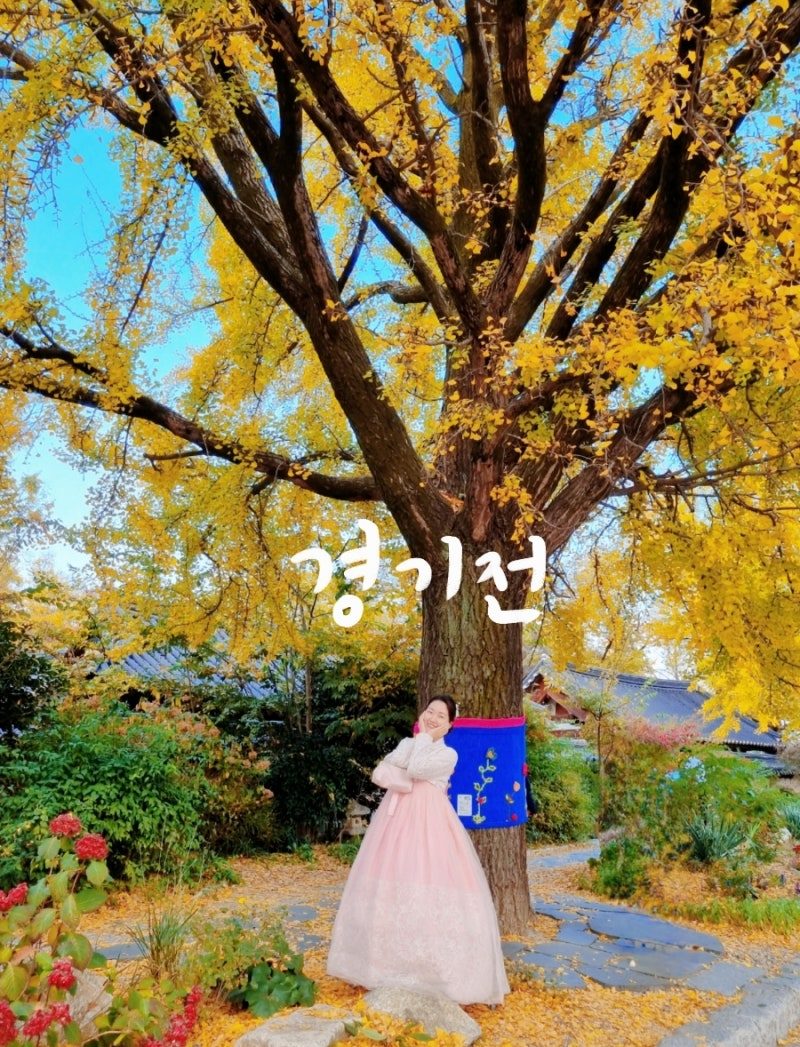
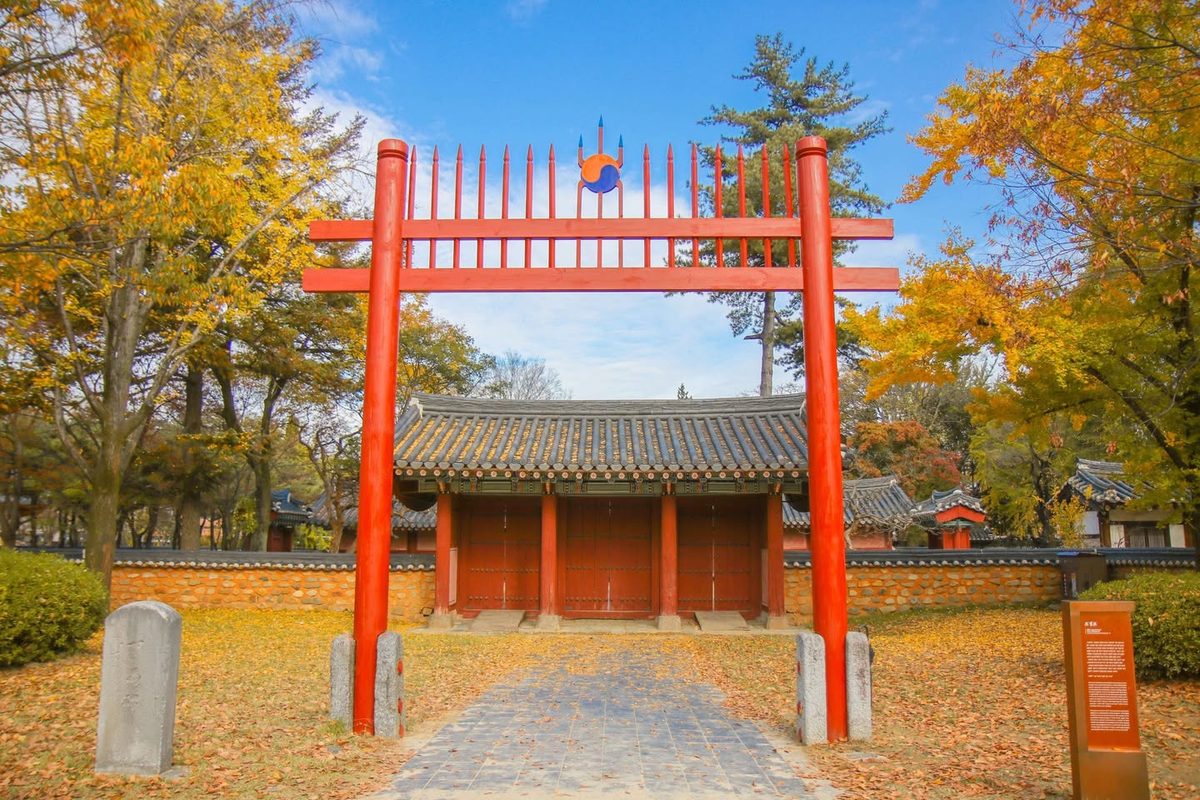
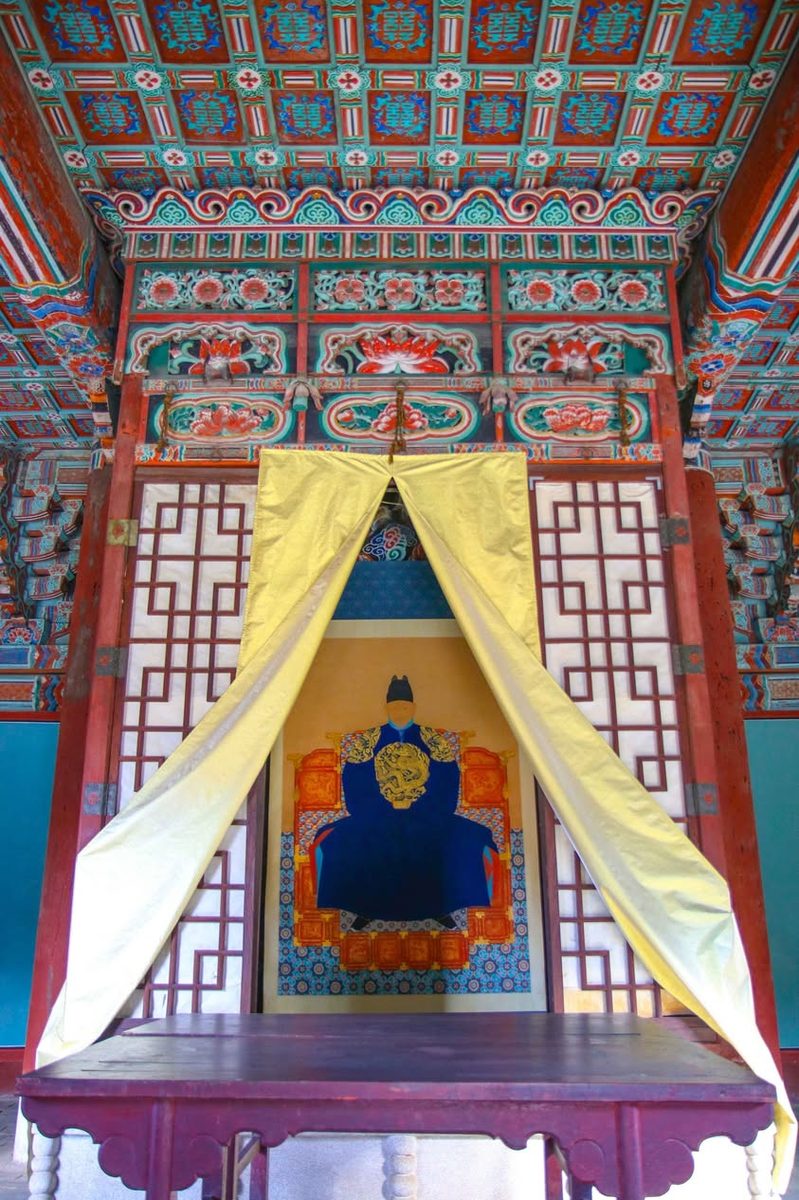
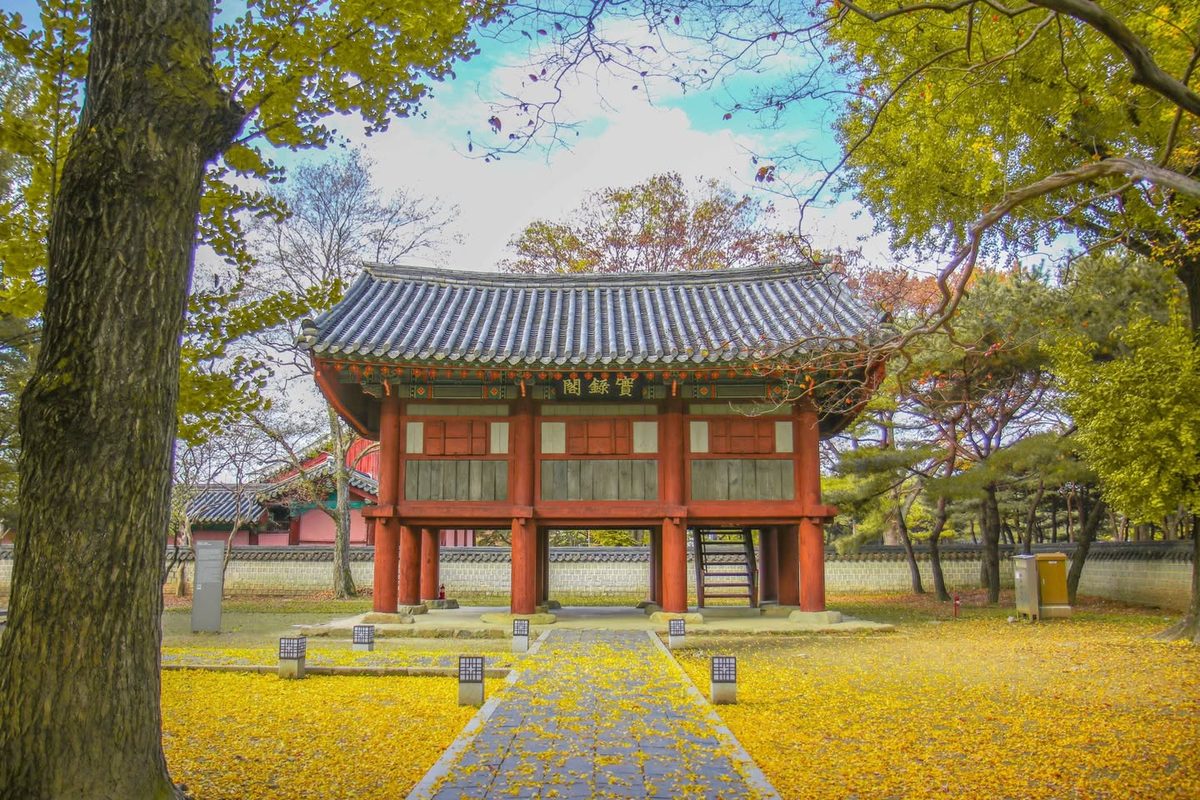
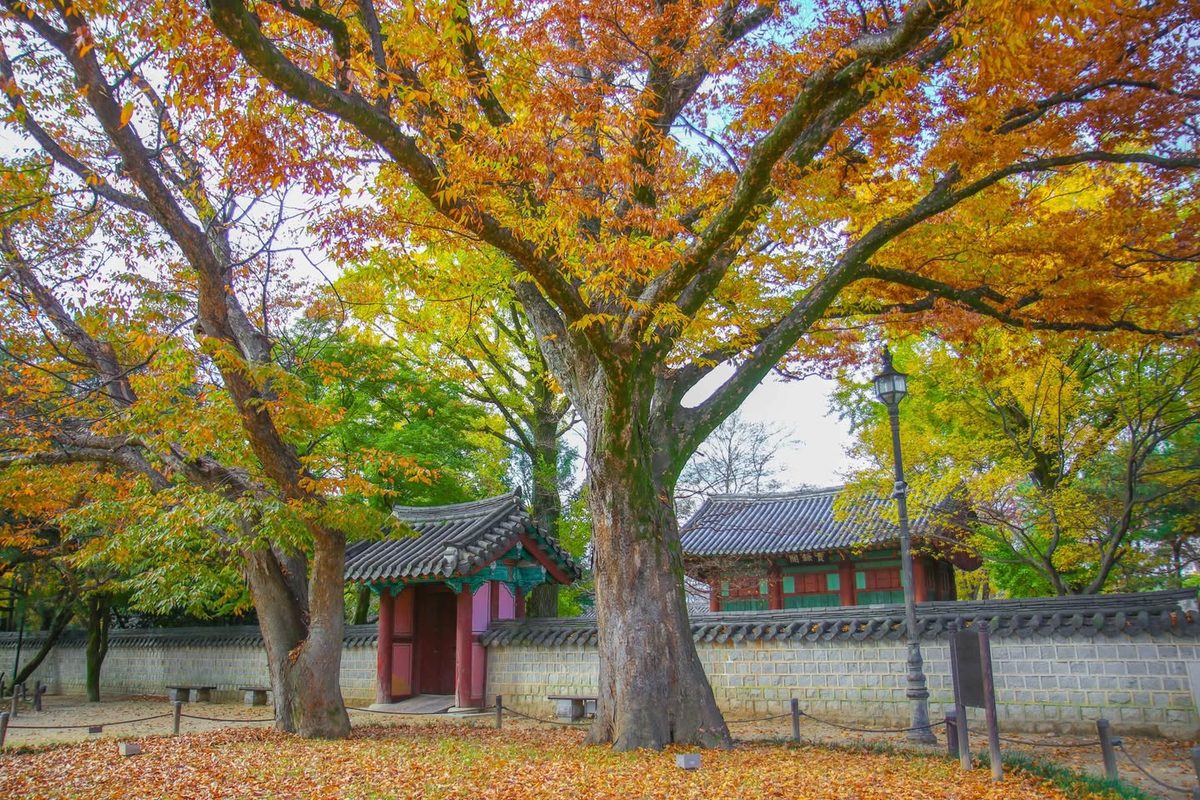
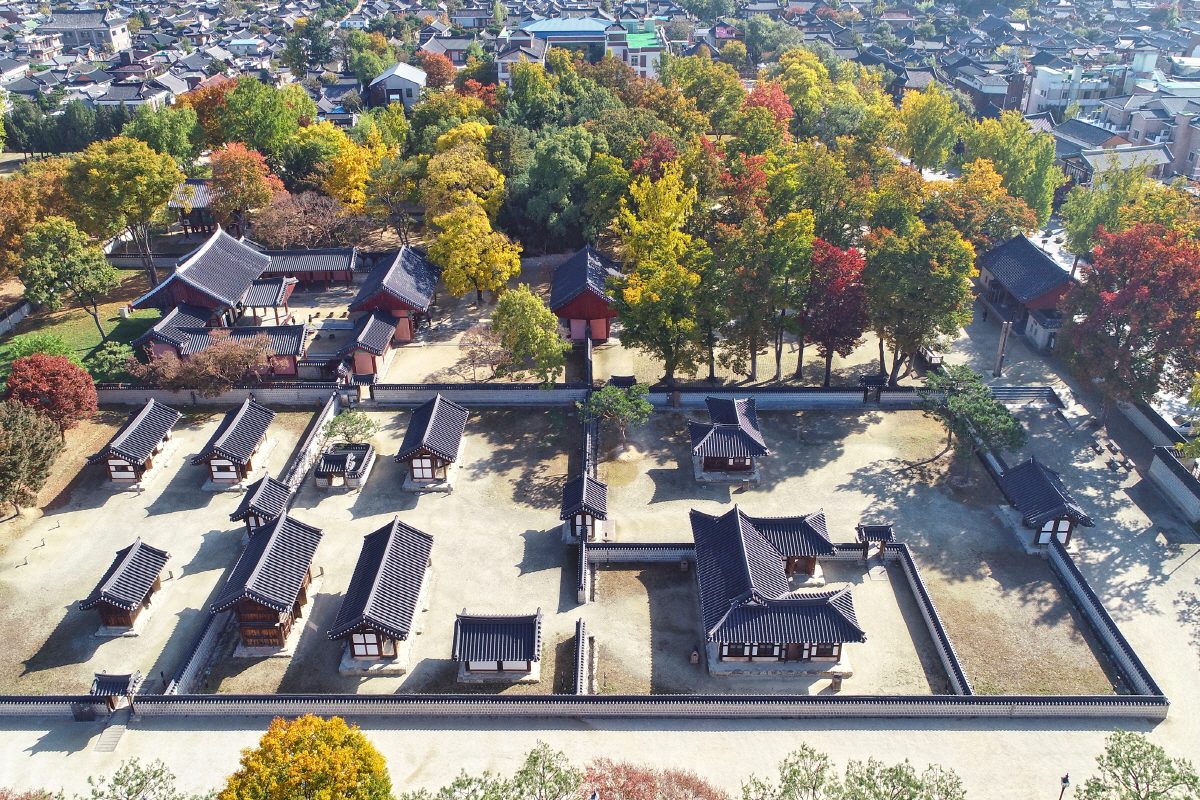
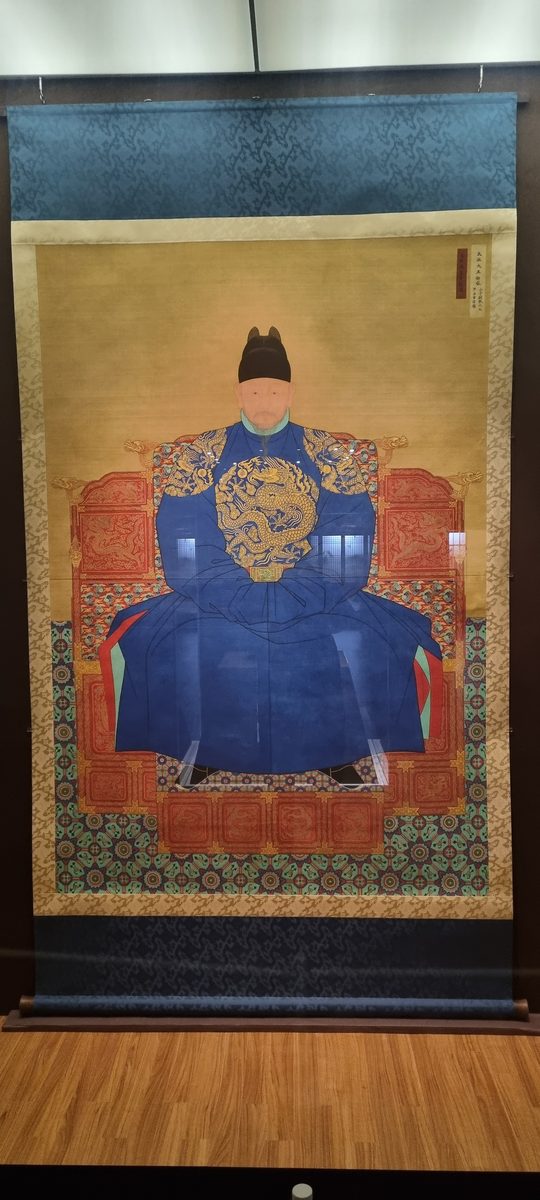
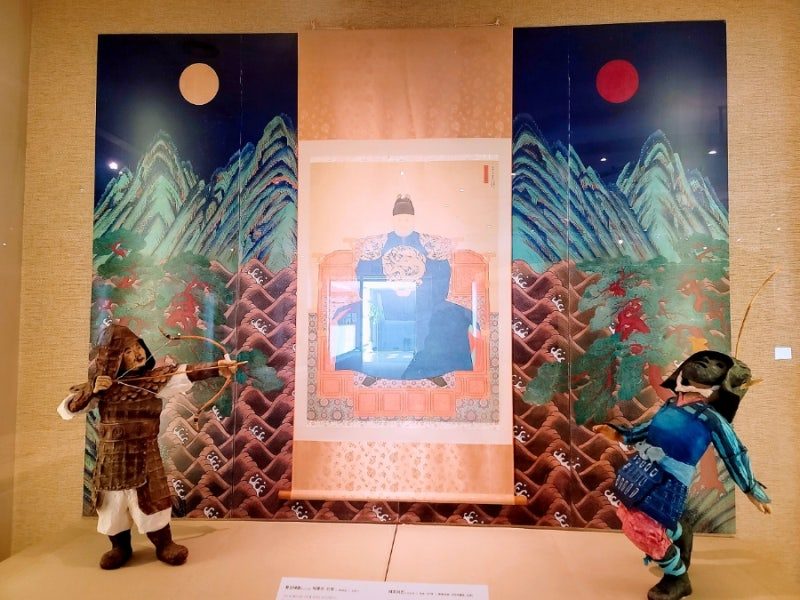
Built in 1410, Gyeonggijeon houses the official portrait of King Taejo — the founder of the Joseon dynasty. The shrine sits inside the Hanok Village and is one of Jeonju's most important historical sites.
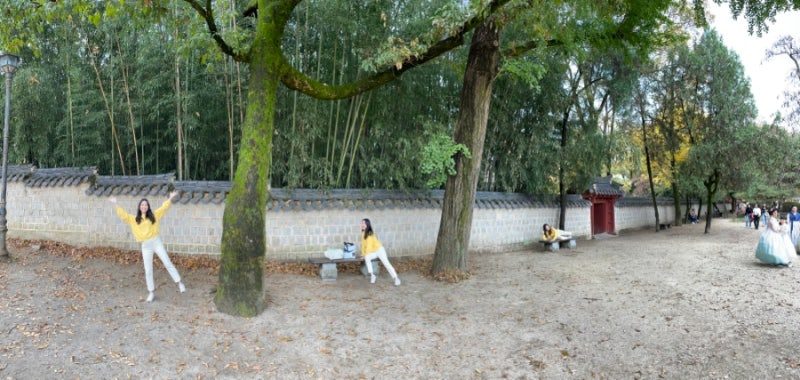
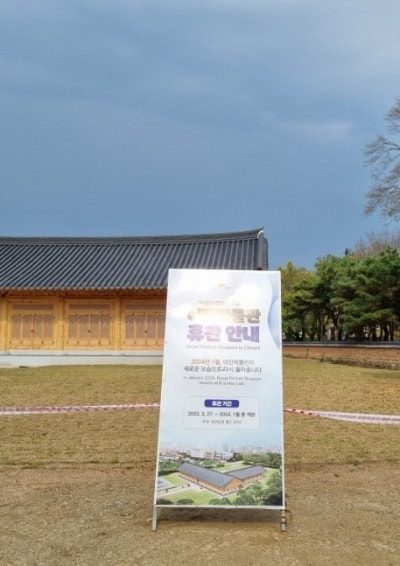
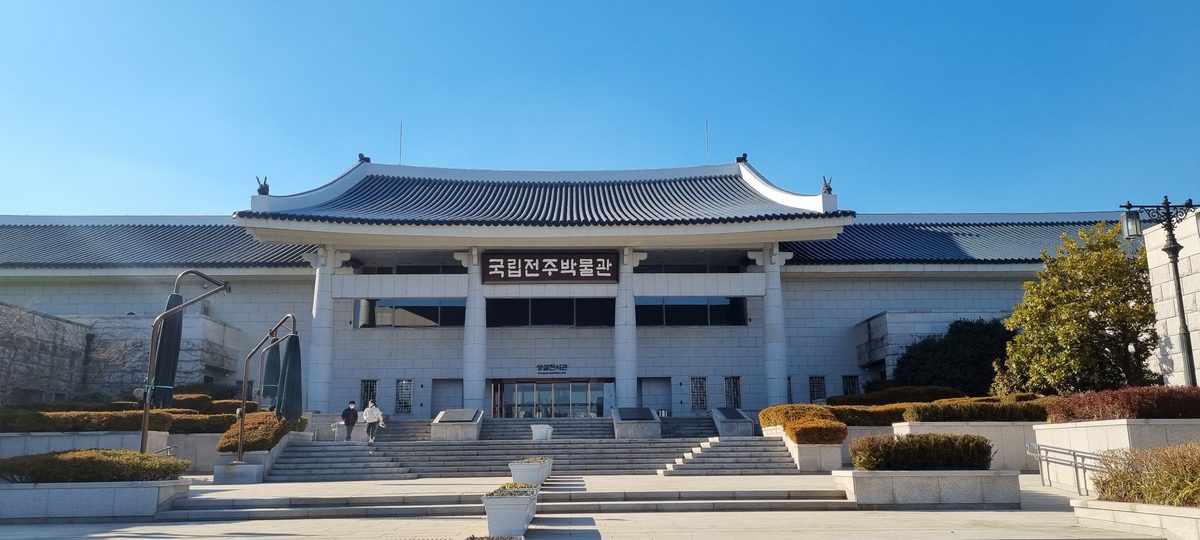
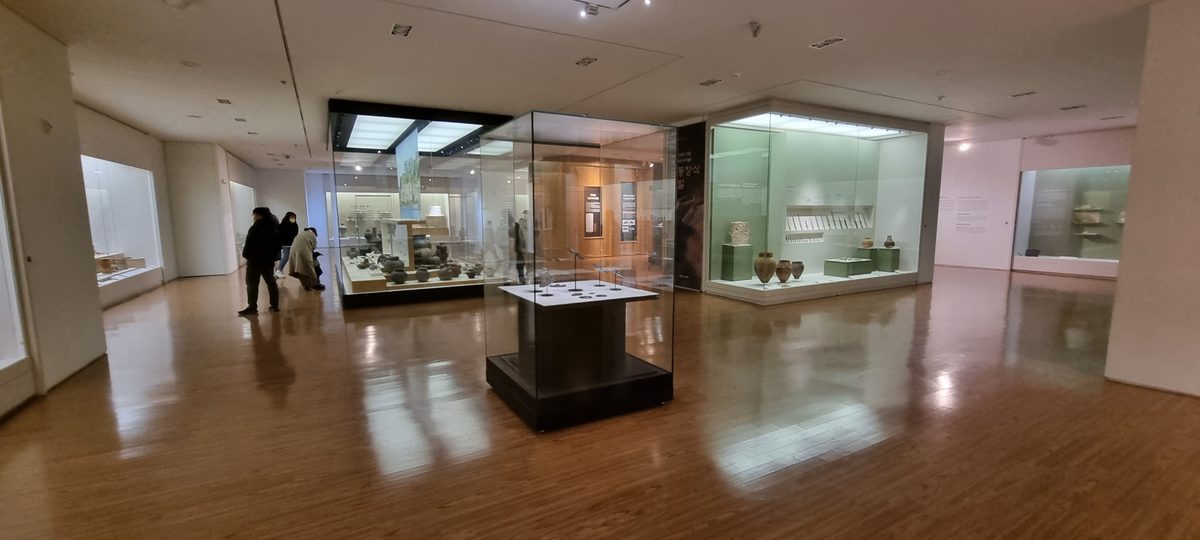
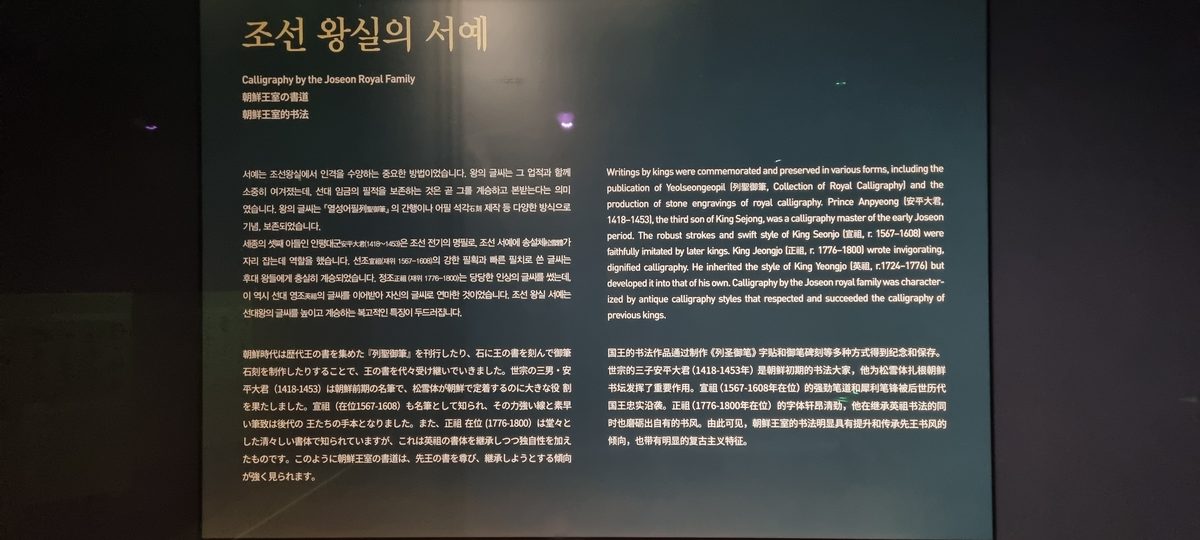
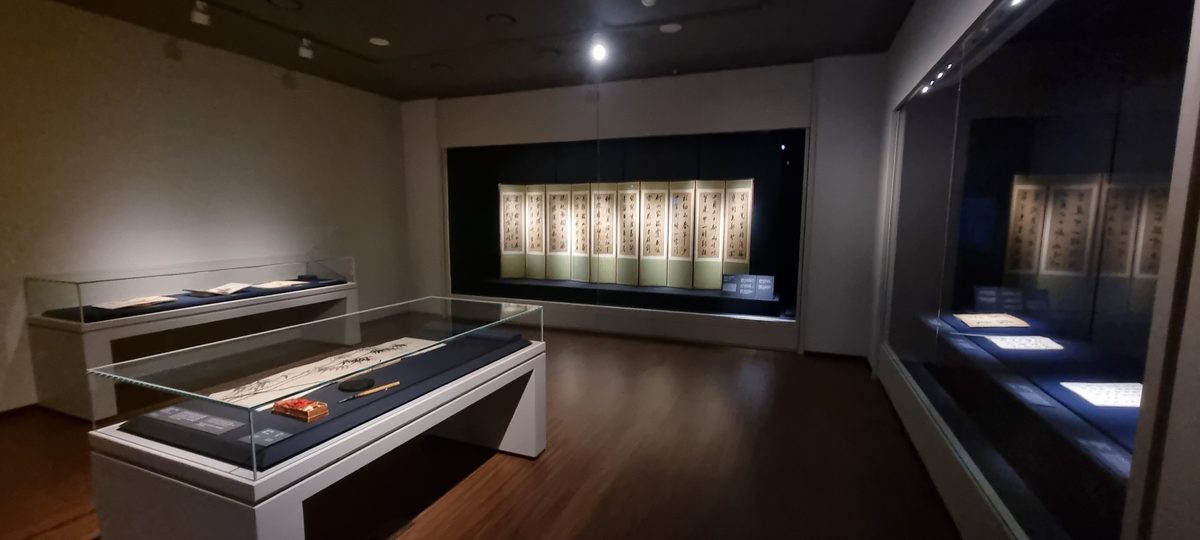
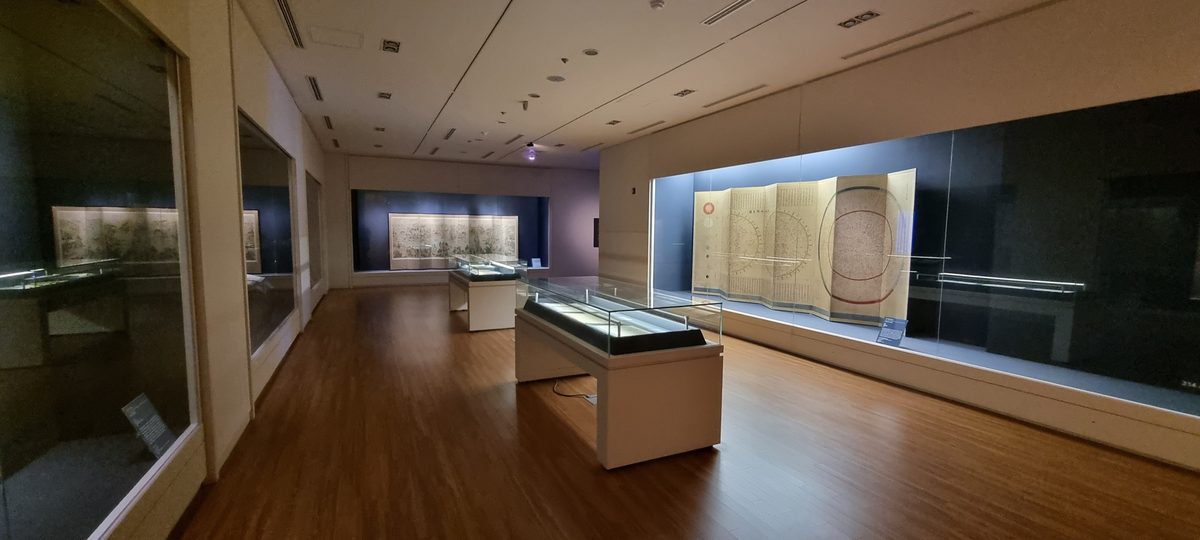
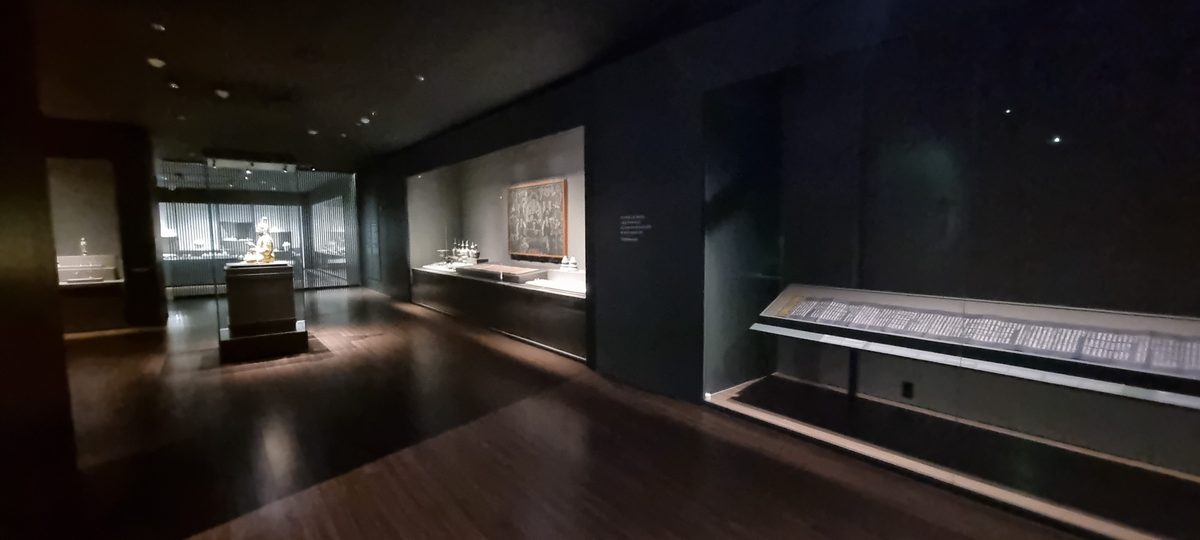
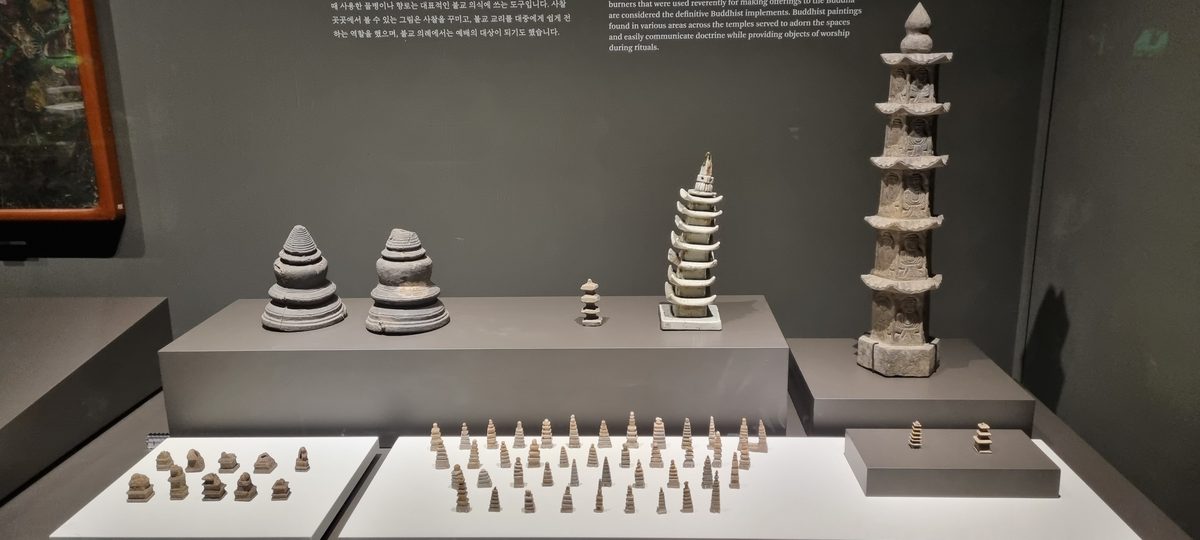
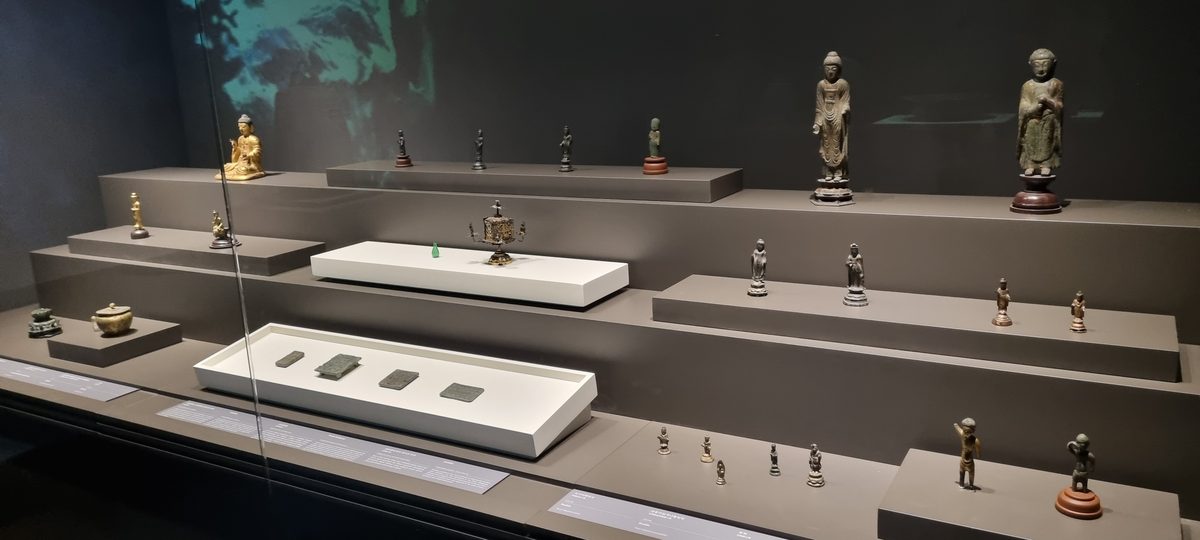
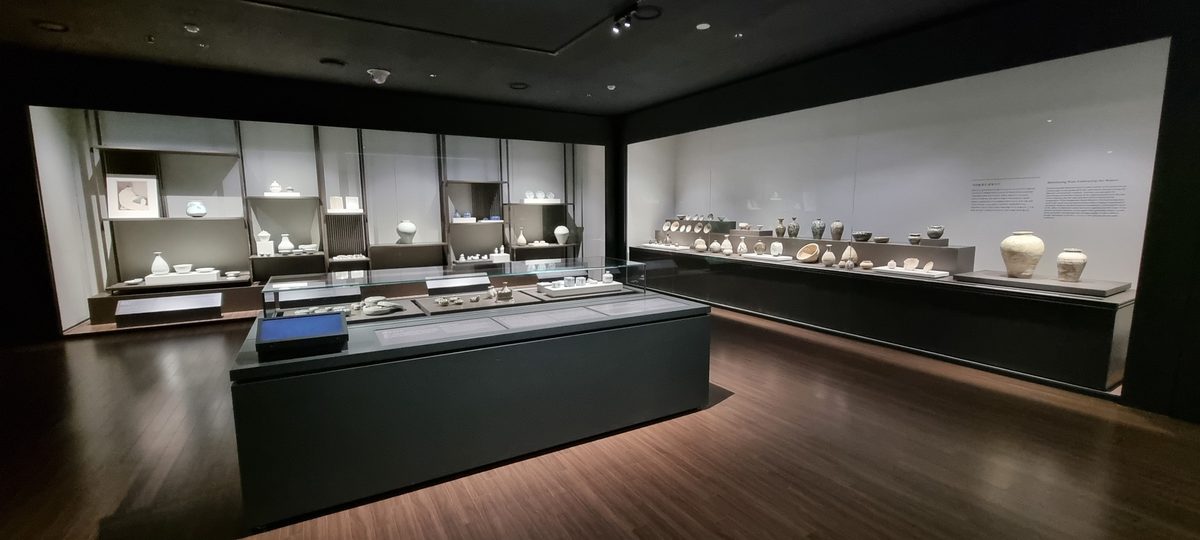
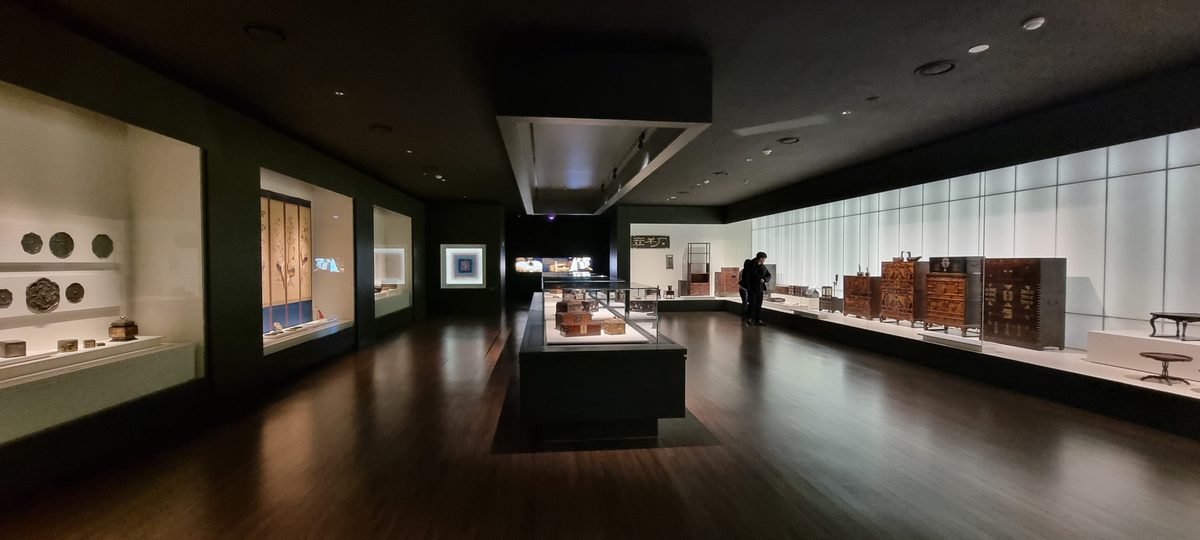
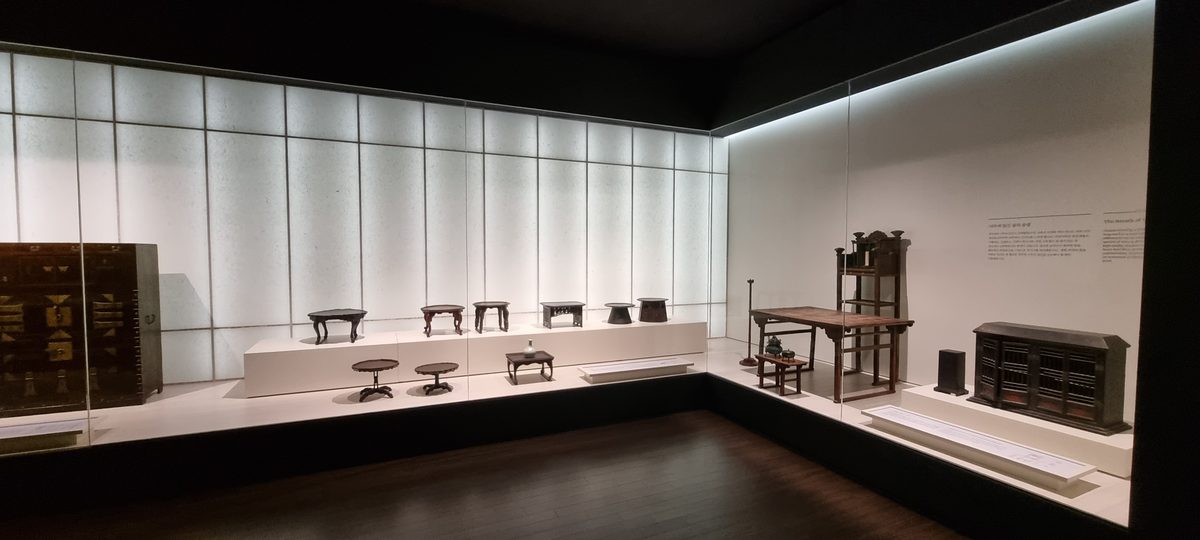
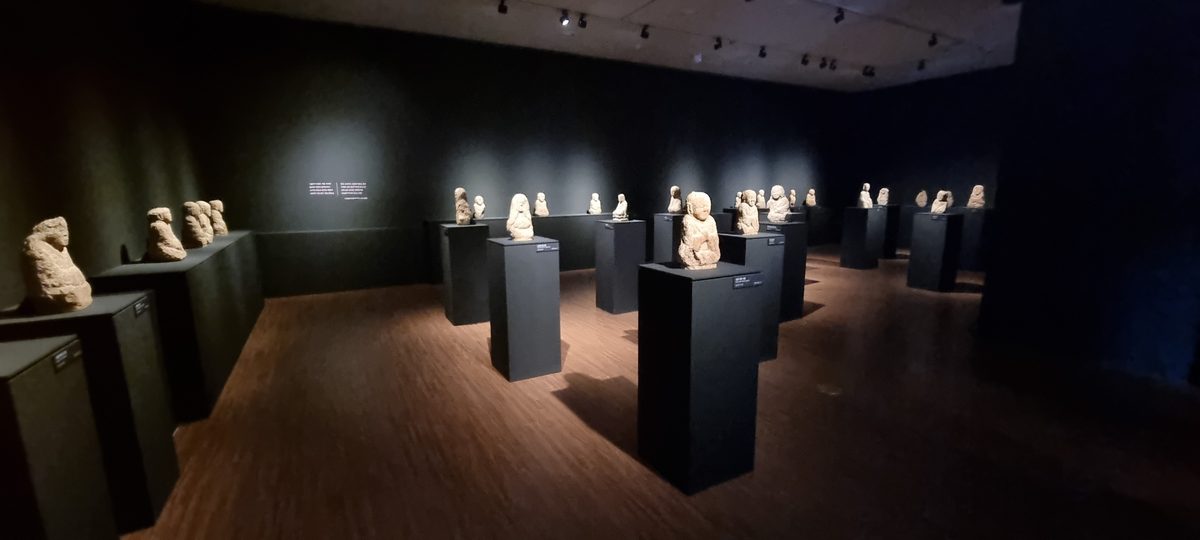
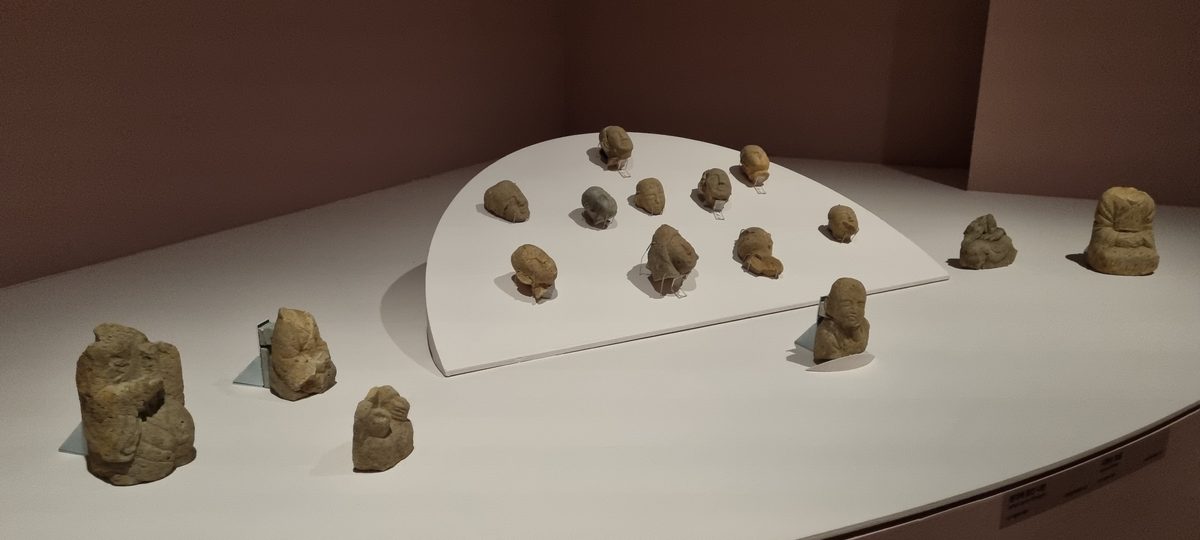
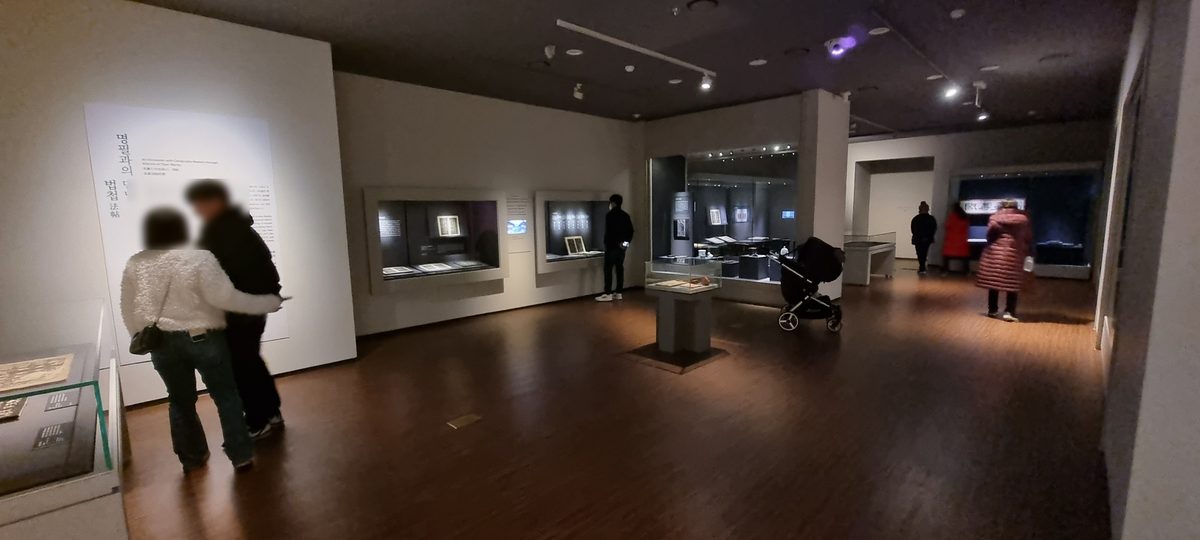
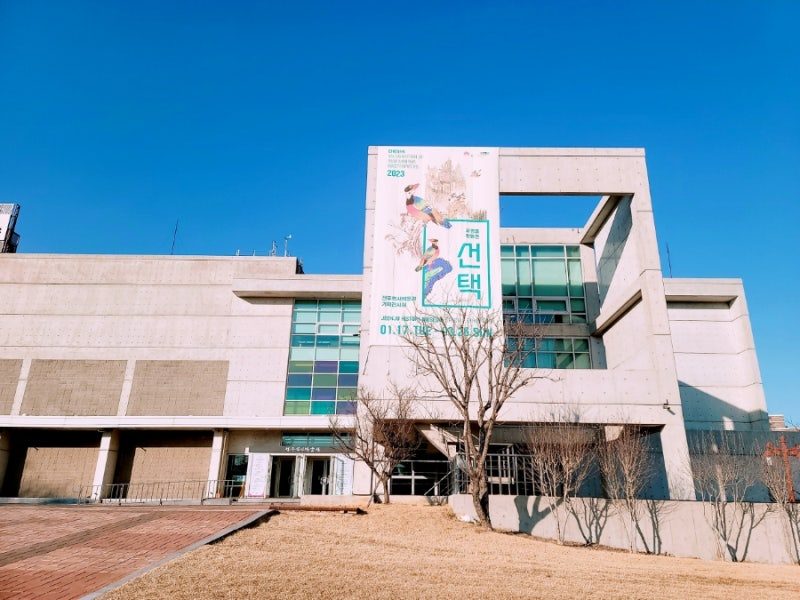
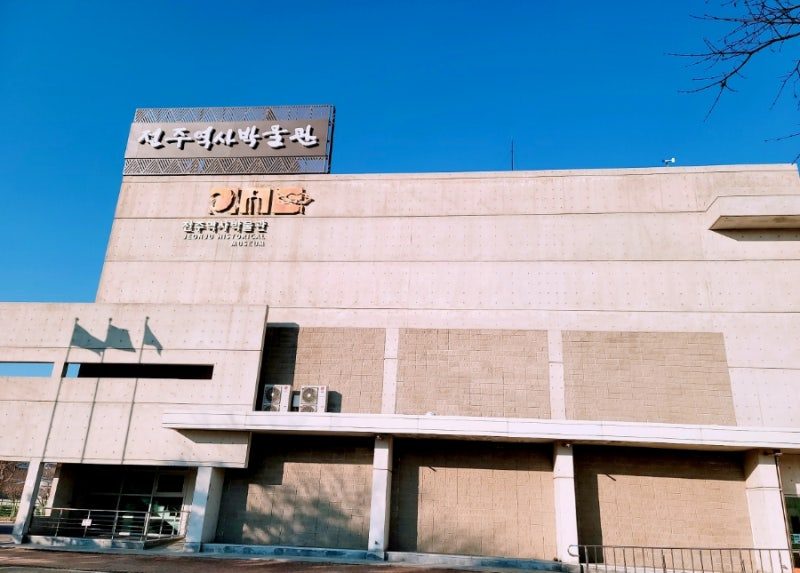
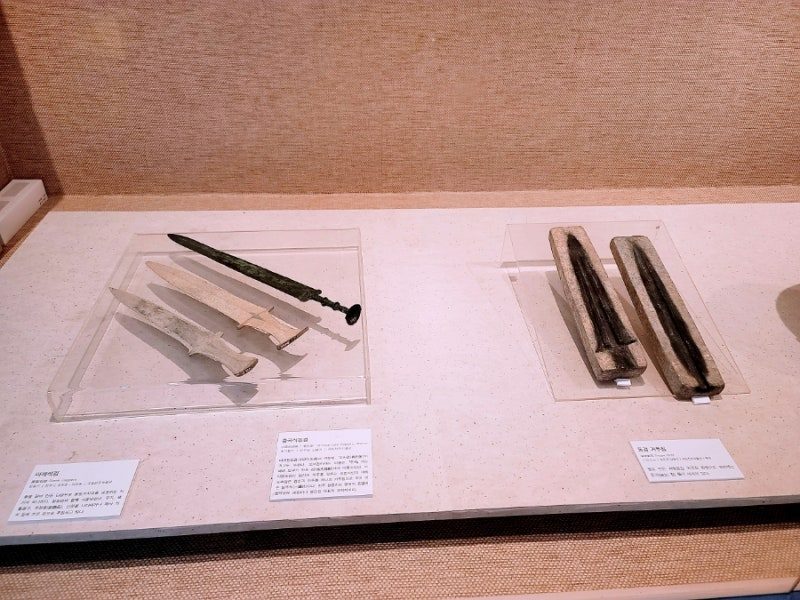
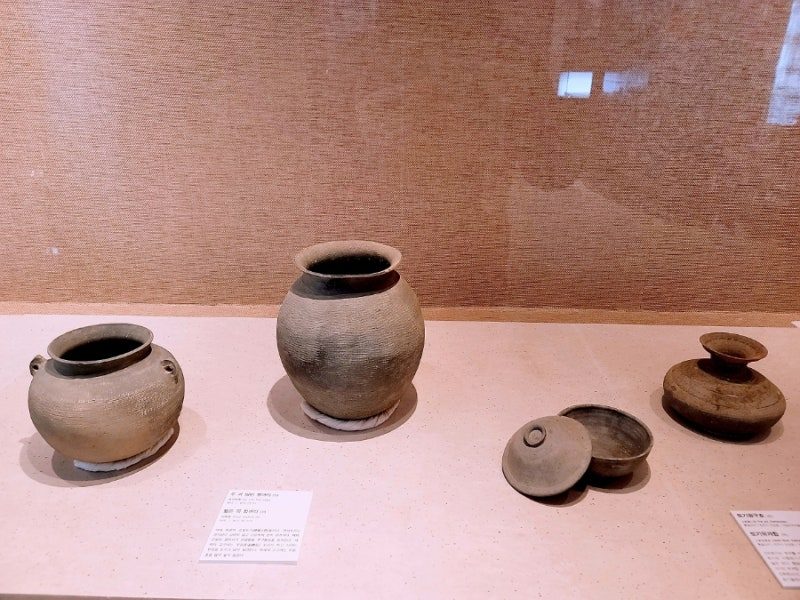
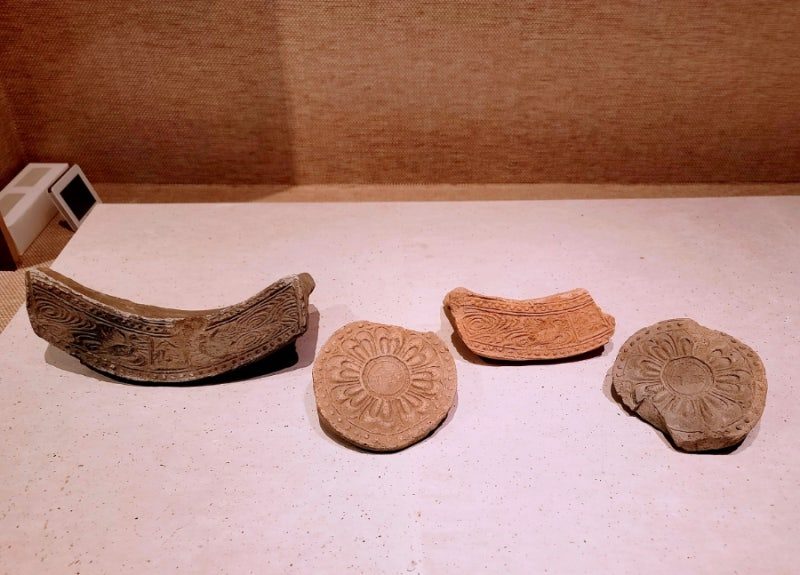
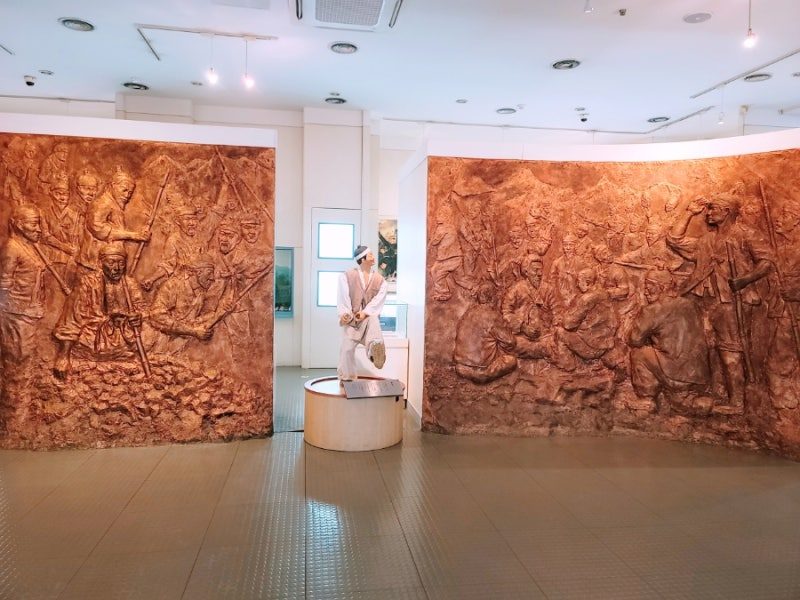
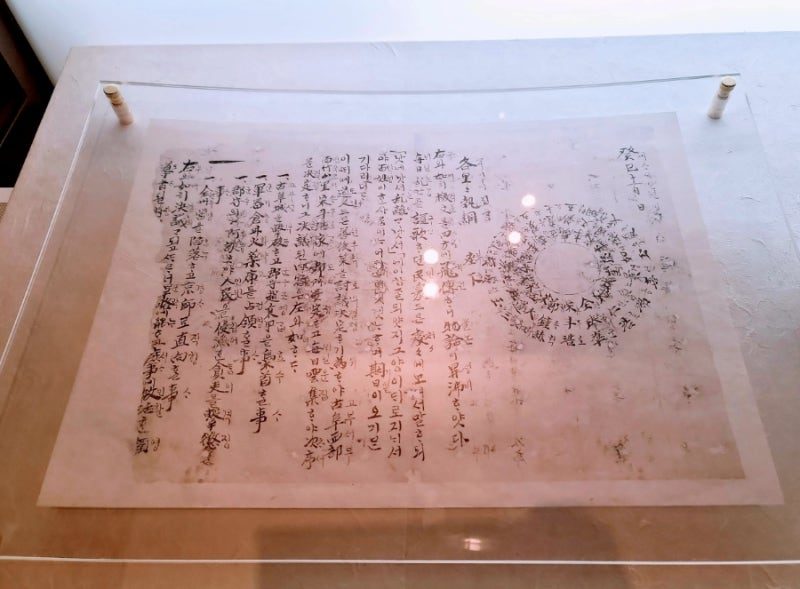
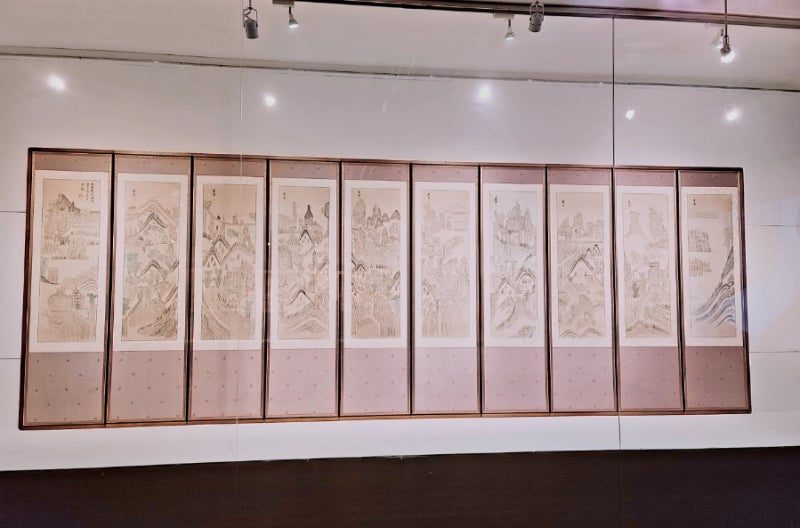
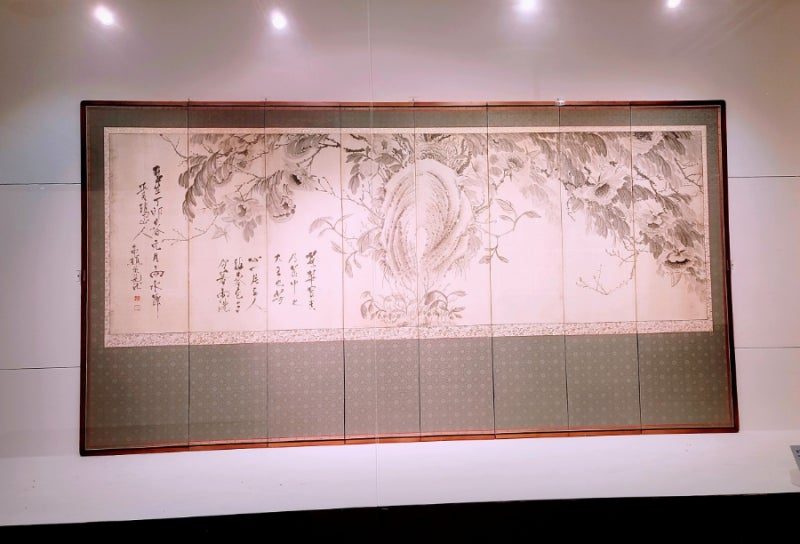
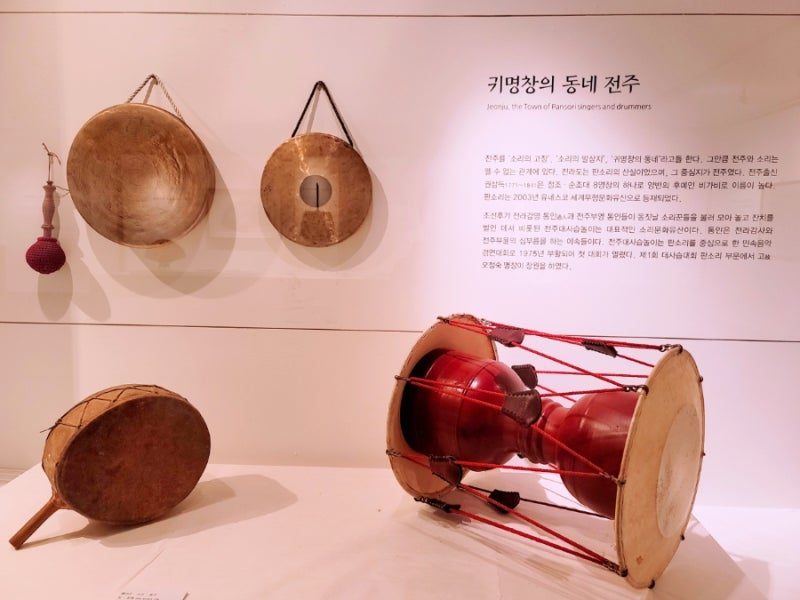
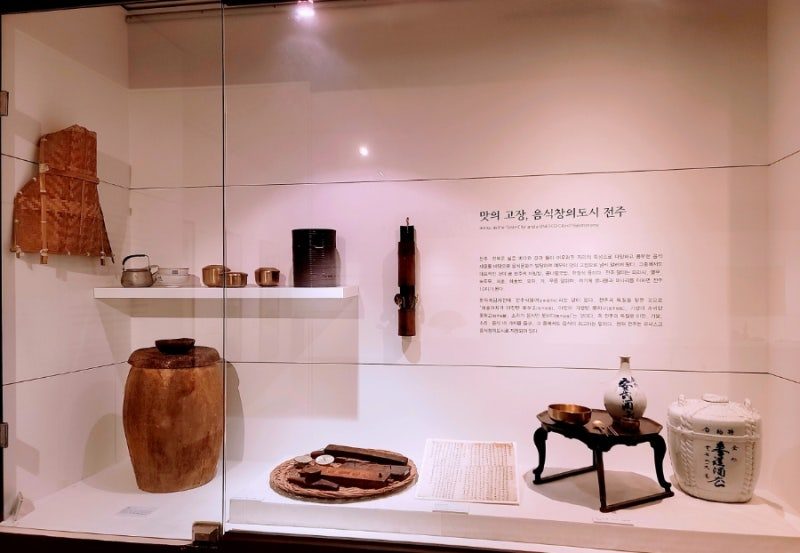
A national museum dedicated to the art and culture of the Jeolla region, from prehistoric relics to Joseon-era celadons, Buddhist bronzes, and folk paintings. Free entry.
Book via the form below. After booking, verify your name appears on the namelist. Government-sponsored — limited spots available.
Book Now — 10 EURFollow us on Instagram to be the first to know when new trips and meetups are announced.
 @kims_community_travel
 @kims_community_house